.jpg)
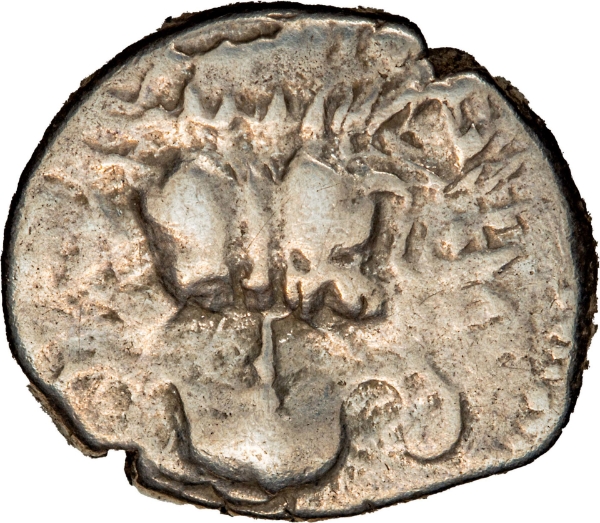
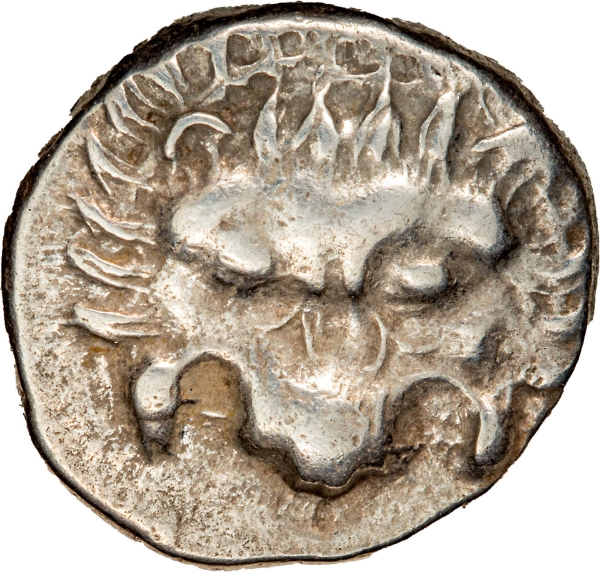
Picture Source of Pericles: Wikipedia
Introduction to Pericles and His Era
Pericles stands as a towering figure in the annals of Ancient Greek history, synonymous with the era known as the Golden Age of Athens. His influence during this period not only shaped the socio-political structure of Athens but also laid the groundwork for Western civilisation. Pericles' leadership, often characterised by a blend of visionary governance and astute military strategies, left an indelible mark on the city-state of Athens, transforming it into a beacon of cultural and intellectual achievement.
During his lifetime, Athens underwent significant transformations, both internally and in its relations with other city-states. It was a time of ambitious architectural projects, the flourishing of arts and philosophy, and the establishment of democratic principles. This era, often referred to as the Age of Pericles, was marked by extensive cultural and political developments that continue to influence contemporary societies.
The legacy of Pericles is multifaceted, spanning his contributions to democracy, his patronage of the arts, and his military exploits. This comprehensive exploration delves into the life and legacy of Pericles, offering a detailed examination of his impact on Athens and the lasting repercussions of his leadership.
Early Life and Political Rise of Pericles
Pericles was born into a prominent Athenian family, which provided him with the social standing and education necessary for a future in politics. His father, Xanthippus, was a celebrated general; his mother, Agariste, was related to the influential Alcmaeonid family. This lineage afforded Pericles a strong foundation in both political and intellectual spheres, fostering his interest in governance and philosophy from an early age.
His early life was marked by rigorous education, where he studied under prominent philosophers like Anaxagoras and Damon. These formative experiences shaped his critical thinking and political acumen, enabling him to craft a vision for Athens that emphasised cultural and democratic advancement. His entry into politics was marked by a commitment to the principles of democracy, advocating for the rights of the common people against the aristocratic elite.
Pericles' political rise was characterised by his eloquence and strategic thinking, which won him widespread support among Athenian citizens. He gradually emerged as a leading figure in the democratic faction, opposing the conservative elements within the government. His oratory skills and vision for Athens' future were instrumental in securing his position as one of the most influential statesmen of his time.
The Golden Age of Athens Under Pericles
The era of Pericles is often referred to as the "Golden Age of Athens," a period marked by unparalleled growth in all facets of Athenian life. Under his leadership, Athens experienced a cultural renaissance, becoming the epicentre of art, philosophy, and architecture. This transformation was not merely aesthetic; it was also deeply political, as Pericles sought to strengthen democracy and the civic identity of Athens.
Pericles' vision for Athens was expansive, encompassing the construction of monumental structures such as the Parthenon, which symbolised the city's power and prosperity. These projects not only enhanced the city's aesthetic appeal but also provided employment for a large segment of the populace, thereby bolstering the economy. His leadership was characterised by a commitment to public works that celebrated Athenian culture and reinforced its status as a cultural powerhouse.
The Golden Age was not only a time of artistic achievement but also one of intellectual flourishing. Philosophers such as Socrates and Sophists thrived in this environment, contributing to the rich tapestry of Athenian life. Pericles' patronage of the arts and philosophy was instrumental in fostering an environment where new ideas could flourish, ultimately laying the groundwork for Western intellectual traditions.
Key Achievements of Pericles
Pericles' tenure was marked by several key achievements that significantly altered the trajectory of Athens. His most notable contribution was the establishment and expansion of Athenian democracy. Under his guidance, political reforms were implemented to ensure greater participation of the citizenry in governance, thereby enhancing the democratic processes of Athens.
One of the most significant reforms was the introduction of state salaries for public officials, which enabled even the poorest citizens to participate in government. This egalitarian approach not only broadened political participation but also reinforced the principles of democracy that Athens is celebrated for today. Pericles' commitment to democracy was unwavering, and his policies laid the foundation for future democratic systems.
In addition to political reforms, Pericles' achievements in architecture and cultural patronage were equally significant. The construction of the Acropolis and the Parthenon stand as testaments to his vision and dedication to the cultural and architectural splendour of Athens. These structures, which continue to inspire awe, were not merely symbols of wealth and power but also embodiments of the values and achievements of Athenian society.
Pericles and the Athenian Democracy
Pericles' influence on Athenian democracy was profound and enduring. His reforms transformed the political landscape of Athens, ensuring that democracy was not just an ideal but a practical reality. By expanding the political enfranchisement of the Athenian population, he facilitated greater participation and representation, strengthening the democratic fabric of the city-state.
The introduction of jury pay, a revolutionary concept at the time, ensured that even the lower classes could afford to participate in the judicial process, thereby making justice more accessible and equitable. This move was part of a broader strategy to empower citizens and ensure that governance was truly representative of the populace. Pericles' efforts in this regard solidified Athens' reputation as the cradle of democracy.
Moreover, Pericles was a staunch advocate of the Assembly, the principal democratic institution of Athens, where citizens could voice their opinions and influence decision-making processes. His leadership in the Assembly was characterised by persuasive rhetoric and a commitment to democratic ideals, which inspired subsequent generations to emulate his model of governance. His contributions to democracy are a testament to his visionary leadership and remain a cornerstone of his enduring legacy.
Cultural Contributions During Pericles' Leadership
The cultural landscape of Athens flourished under Pericles, as he championed the arts and literature, creating an environment where creativity and intellectual pursuit thrived. His patronage extended to numerous artists, playwrights, and philosophers, whose works have become cornerstones of Western culture.
One of the most significant cultural contributions during Pericles' leadership was the establishment of the Athenian theatre, where playwrights such as Aeschylus, Sophocles, and Euripides showcased their masterpieces. These dramatic works explored complex themes of human nature and morality, influencing literary traditions for centuries to come. Pericles' support for the arts ensured that Athens was not only a political powerhouse but also a cultural one.
In addition to fostering the performing arts, Pericles' era saw advancements in philosophy and science. The intellectual climate of Athens attracted thinkers from across the Greek world, facilitating the exchange of ideas and the development of philosophical thought. This cultural vibrancy was emblematic of Pericles' vision for Athens as a centre of learning and intellectual advancement, a vision that has inspired countless generations.
Military Strategies and Campaigns of Pericles
Pericles was not only a statesman but also a formidable military strategist. His approach to warfare was characterised by prudence and strategic foresight, seeking to maintain Athenian supremacy in the Greek world. His military campaigns were pivotal in establishing Athens as a dominant maritime power, capable of projecting influence across the Aegean Sea.
One of Pericles' notable military strategies was the fortification of Athens, including the construction of the Long Walls, which connected Athens to its port, Piraeus. This fortification ensured that Athens could withstand sieges and maintain access to naval supplies, thereby securing its position in the region. His naval policies strengthened the Athenian fleet, allowing it to dominate the seas and protect its trade routes.
Pericles' military acumen was also evident in his handling of the Peloponnesian War. He advocated for a defensive strategy, focusing on fortifying Athens and avoiding direct land confrontations with Sparta. Although this strategy was initially successful, unforeseen circumstances, such as the plague, ultimately affected its long-term viability. Nevertheless, Pericles' military strategies underscored his ability to adapt to changing circumstances and safeguard Athenian interests.
The Impact of the Peloponnesian War on Pericles' Legacy
The Peloponnesian War was a defining moment in the history of Athens, with significant implications for Pericles' legacy. The conflict, which pitted Athens against Sparta and its allies, tested the resilience of Athenian society and the effectiveness of Pericles' leadership. Despite initial successes, the prolonged war strained Athens' resources and morale, ultimately leading to its decline.
Pericles' defensive strategy during the war was initially successful, as Athens relied on its superior naval capabilities to outlast Spartan offensives. However, the outbreak of a devastating plague within the city walls undermined these efforts, resulting in significant loss of life and a decline in public confidence. The plague claimed Pericles himself, marking a turning point in the war and the eventual decline of Athens.
Despite the challenges posed by the Peloponnesian War, Pericles' legacy remains resilient. His vision for Athens as a democratic and cultural beacon continues to inspire, and his contributions to governance, arts, and military strategy are celebrated to this day. The war, while a difficult chapter in Athenian history, serves as a testament to Pericles' enduring influence and the complexities of leadership in times of crisis.
Pericles in Historical Context: Comparisons with Other Leaders
In the broader context of history, Pericles is often compared to other great leaders, such as Julius Caesar and Augustus of Rome. While each leader had distinct approaches to governance and military conquest, Pericles' commitment to democracy and cultural patronage sets him apart as a unique figure in ancient history.
Unlike many of his contemporaries, Pericles prioritised the empowerment of citizens and the promotion of democratic ideals. His leadership was characterised by an inclusive approach, seeking to balance the interests of different social classes and foster a sense of civic duty. This commitment to democracy is a defining aspect of his legacy and distinguishes him from other leaders who pursued autocratic or imperial ambitions.
Moreover, Pericles' cultural contributions have had a lasting impact, influencing Western art, literature, and philosophy. His patronage of the arts and emphasis on intellectual advancement created a legacy that extends far beyond the borders of Athens. In this regard, Pericles can be seen as a visionary leader whose influence transcends time, shaping the course of history and leaving an indelible mark on civilisation.
The Lasting Influence of Pericles on Modern Governance
The legacy of Pericles is a testament to the enduring power of visionary leadership and the transformative potential of democratic governance. His contributions to the development of democracy, cultural enrichment, and military strategy have left an indelible mark on history, influencing countless generations.
Pericles' vision for Athens as a democratic and cultural leader continues to inspire modern governance systems around the world. His commitment to civic participation and the promotion of the arts laid the foundation for the flourishing of Western culture and intellectual tradition. As a statesman, he exemplified the values of leadership, integrity, and innovation, serving as a model for leaders throughout history.
In reflecting on the legacy of Pericles, we are reminded of the importance of visionary leadership in shaping the course of history. His impact on Athens and the broader world is a testament to the enduring power of ideas and the ability of individuals to effect meaningful change. As we continue to navigate the complexities of modern governance, the lessons of Pericles remain as relevant as ever, guiding us towards a future that honours the principles of democracy and cultural enrichment.