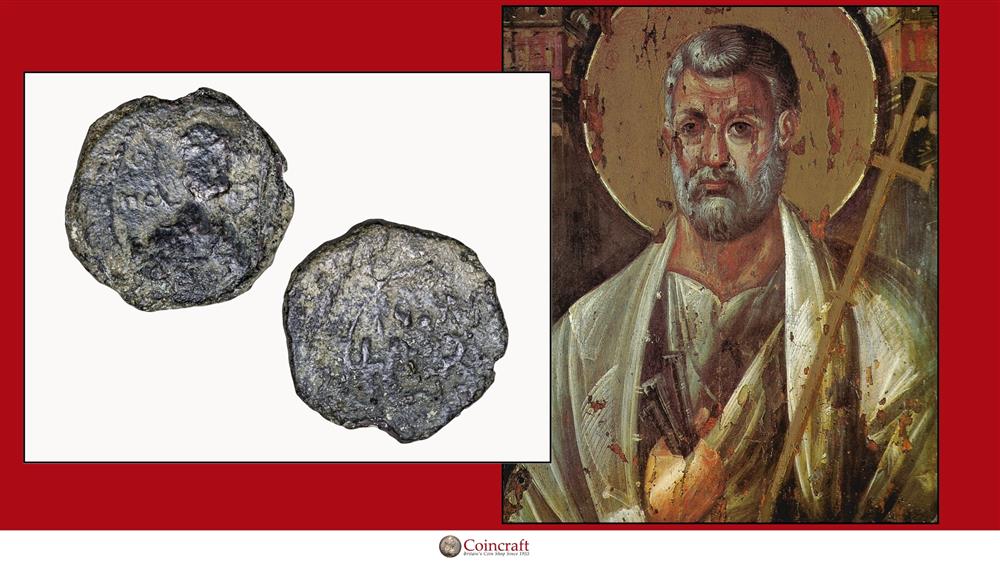
Picture Source of St. Peter: Wikipedia
Introduction to St Peter: A Christian Legacy
St Peter, one of the most revered figures in Christianity, stands as a beacon of faith and resilience. As one of Jesus Christ's foremost apostles, his life and teachings have had a profound impact on Christian doctrine and practice. Through his unwavering dedication and transformative journey, St Peter's legacy continues to inspire millions around the globe.
The foundation of St Peter's legacy lies in his close relationship with Jesus, which solidified his status as a pivotal figure within early Christianity. As the "rock" upon which the church was built, his influence extends beyond mere historical events and into the everyday lives of believers. Understanding St Peter's life offers valuable insights into the early Christian church and its development.
Exploring the life and contributions of St Peter requires delving into various aspects of his existence, from his humble beginnings as a fisherman to his leadership role in the burgeoning Christian community. His journey is marked by key events that not only shaped his life but also altered the course of Christian history.
The Life of St Peter: From Fisherman to Apostle
St Peter, originally named Simon, hailed from the village of Bethsaida along the Sea of Galilee. He was a fisherman by trade, working alongside his brother Andrew. It was during one of these ordinary days by the water that he encountered Jesus, a meeting that would irrevocably change his life. Jesus called upon Simon and Andrew, declaring them "fishers of men," a metaphor that transformed their vocation from catching fish to spreading the Christian faith.
Peter's journey from fisherman to apostle is a testament to his character and faith. As a disciple, he quickly became one of Jesus' closest followers, partaking in pivotal moments such as the Transfiguration and the Last Supper. His role among the apostles was one of leadership, often being the first to speak on behalf of the group.
Despite his leadership, Peter's path was not without challenges. His denial of Jesus during the crucifixion highlights his human fallibility, yet it is this very humanity that endears him to many. His subsequent repentance and reaffirmation of faith illustrate a journey of growth and redemption, showcasing the power of forgiveness and resilience in the face of adversity.
St Peter’s Role in the Early Christian Church
As the early Christian church began to take shape, St Peter emerged as a central figure in its development. After Jesus' resurrection, Peter assumed a leadership role, guiding the apostles and the fledgling church through a period of growth and consolidation. His leadership was instrumental in establishing the foundational doctrines and practices that would define Christianity.
Peter's influence extended beyond doctrinal matters; he was also a key figure in resolving disputes and fostering unity among believers. One notable example is the Council of Jerusalem, where he played a crucial role in addressing the contentious issue of whether Gentile converts should adhere to Jewish law. His stance, advocating for an inclusive approach, was pivotal in shaping the church's direction and expanding its reach.
Moreover, St Peter's missionary journeys were crucial in spreading the Christian message beyond Jewish communities. His travels took him to various regions, including Antioch and Rome, where he preached and established Christian communities. These efforts were instrumental in the rapid expansion of Christianity throughout the Roman Empire.
Key Events in the Life of St Peter
The life of St Peter is punctuated by several key events that underscore his importance within the Christian narrative. One of the most significant is his recognition of Jesus as the Messiah, a moment that not only affirmed his faith but also set the stage for his leadership role within the church. This declaration, famously recounted in the Gospels, earned him the name Peter, meaning "rock," upon which Jesus would build his church.
Another pivotal event in Peter's life was his witnessing of the Transfiguration. This moment of divine revelation, where Jesus' divine nature was unveiled, reinforced Peter's faith and commitment to Jesus' mission. The experience left an indelible mark on him, strengthening his resolve to lead and serve the burgeoning Christian community.
Peter's denial of Jesus, followed by his subsequent redemption, is perhaps one of the most humanising aspects of his story. His denial, driven by fear and confusion, is a poignant reminder of human weakness. However, his eventual repentance and reaffirmation of faith illustrate the transformative power of forgiveness and grace, themes central to Christian teaching.
The Theological Significance of St Peter
St Peter's theological significance is deeply intertwined with the very foundations of Christian belief. His identification as the "rock" of the church underscores his central role in the establishment and perpetuation of Christian doctrine. This designation serves as a metaphor for the stability and continuity of the faith, with Peter as its steadfast anchor.
Theologically, Peter's life exemplifies the concepts of faith, redemption, and leadership. His initial calling by Jesus represents the transformative power of faith, while his subsequent journey illustrates the potential for personal growth and renewal. His leadership in the early church serves as a model for Christian leadership, characterised by humility, service, and unwavering commitment.
Moreover, St Peter's writings, particularly his epistles, contribute significantly to Christian theology. His letters, addressing themes of suffering, hope, and perseverance, offer timeless insights into the Christian experience. These writings continue to inspire and guide believers, reinforcing the enduring relevance of his teachings.
St Peter’s Influence on Christian Doctrine
St Peter's influence on Christian doctrine is profound and multifaceted. His teachings and actions laid the groundwork for many of the principles that underpin Christian belief and practice. As a key figure in the early church, his interpretations of Jesus' teachings helped shape the theological framework that defines Christianity.
One of Peter's significant contributions to Christian doctrine is his emphasis on the universality of the Christian message. His vision of an inclusive church, welcoming both Jews and Gentiles, was revolutionary at the time and set the stage for the global spread of Christianity. This inclusive approach is a cornerstone of Christian doctrine, reflecting the faith's message of universality and acceptance.
Furthermore, Peter's teachings on leadership and service have had a lasting impact on Christian thought. His model of servant leadership, characterised by humility and selflessness, continues to influence Christian leaders today. This approach, rooted in Jesus' teachings, underscores the importance of service to others as a fundamental aspect of Christian life.
Artistic Representations of St Peter Throughout History
Throughout history, St Peter has been a popular subject in art, with countless depictions capturing various aspects of his life and legacy. From early Christian mosaics to Renaissance masterpieces, these artistic representations offer a visual narrative of his influence and significance within the Christian tradition.
In early Christian art, St Peter is often depicted with keys, symbolising his role as the keeper of the keys to heaven. This iconography, rooted in biblical texts, underscores his authority and leadership within the church. Such depictions can be found in ancient catacombs and churches, serving as a testament to his enduring legacy.
The Renaissance period saw a resurgence of interest in St Peter, with artists such as Michelangelo and Leonardo da Vinci creating iconic works that capture his essence. Michelangelo's statue of St Peter at St Peter's Basilica in Vatican City is a prime example, symbolising his central role within the church. These works of art not only celebrate his life but also reflect the broader cultural and religious context of their time.
Pilgrimage Sites Associated with St Peter
St Peter's legacy is immortalised in numerous pilgrimage sites around the world, each offering a unique glimpse into his life and influence. These sacred locations attract countless visitors, seeking to connect with the apostle's enduring spirit and legacy.
The most prominent pilgrimage site associated with St Peter is St Peter's Basilica in Vatican City. As the traditional burial site of St Peter, the basilica is a focal point for Christian pilgrims. Its grandeur and historical significance make it a must-visit destination for those seeking to explore St Peter's legacy.
Other notable sites include the Church of St Peter in Antioch, where he is believed to have preached, and the Church of St Peter in Gallicantu, commemorating his denial of Jesus. These locations, rich in history and spirituality, offer pilgrims an opportunity to reflect on St Peter's life and contributions to the Christian faith.
The Legacy of St Peter in Modern Christianity
In modern Christianity, St Peter's legacy continues to resonate, influencing both doctrine and practice. His teachings and example serve as a guiding light for believers, offering insights into the Christian journey and the importance of faith, service, and redemption.
St Peter's model of servant leadership remains relevant today, with many Christian leaders drawing inspiration from his example. His emphasis on humility, service, and inclusivity resonates with contemporary Christian values, encouraging believers to embody these principles in their daily lives.
Moreover, St Peter's story of redemption and forgiveness is a powerful testament to the transformative power of faith. His journey from denial to leadership serves as a reminder of the potential for personal growth and renewal, themes that continue to inspire and uplift believers in their spiritual journey.
The Enduring Influence of St Peter
St Peter's life and legacy offer a profound insight into the early Christian church and its development. From his humble beginnings as a fisherman to his pivotal role as an apostle, his journey is a testament to the power of faith, redemption, and leadership. His influence on Christian doctrine and practice is enduring, with his teachings continuing to guide and inspire believers across the globe.
As a central figure in Christianity, St Peter's legacy is celebrated in art, pilgrimage sites, and theological discourse, reflecting his lasting impact on the faith. His story is a reminder of the transformative power of faith and the potential for personal growth and renewal.
For those interested in exploring the legacy of St Peter further, visiting the pilgrimage sites associated with his life or delving into his writings can offer a deeper understanding of his contributions to Christianity. Whether through travel, study, or reflection, engaging with St Peter's legacy can enrich one's spiritual journey and provide valuable insights into the Christian faith.
Call to Action: To truly appreciate the legacy of St Peter, consider embarking on a pilgrimage to one of the sites associated with his life or exploring his teachings in greater depth. Engage with his story and teachings to gain a richer understanding of his enduring influence on Christianity.