.jpg)
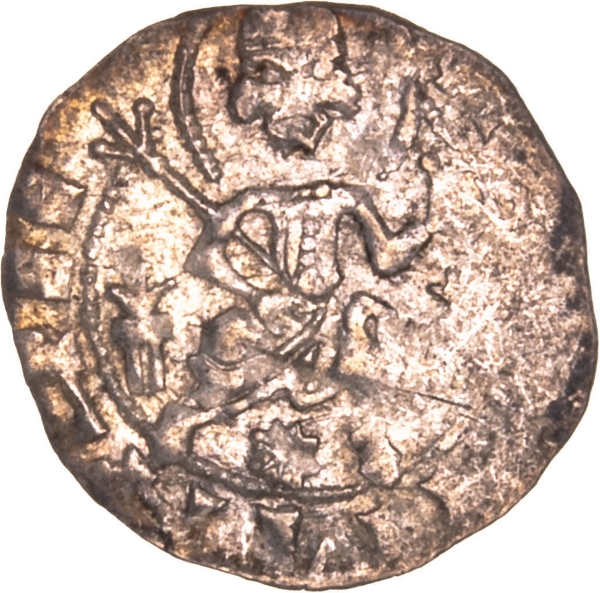
Picture Source of Ivan Sračimir: Wikipedia
Introduction to Ivan Sračimir
In the annals of medieval European history, few figures stand as prominently as Ivan Sratsimir, a monarch whose reign over the Bulgarian Empire during the 14th century marked a significant period of political and cultural development. His role as a ruler was not only pivotal in the context of Bulgaria's history but also in the broader tapestry of Southeast European politics. By delving into the life and times of Ivan Sratsimir, one can glean insights into the complexities of medieval sovereignty and the enduring influence of his leadership.
Ivan Sratsimir, born into the House of Shishman, ascended the throne during a tumultuous era marked by internal strife and external threats. The son of Tsar Ivan Alexander, his formative years were shaped by the geopolitical dynamics of the region, including the decline of Byzantine influence and the rise of the Ottoman Empire. His tenure as ruler of the Vidin Tsardom, a significant territorial division of the Second Bulgarian Empire, commenced in 1356 and lasted until the ultimate Ottoman conquest in 1396.
Understanding Ivan Sratsimir's legacy requires an exploration of not only his political maneuvers but also his cultural contributions. His reign was characterized by efforts to bolster the state’s autonomy while fostering a cultural renaissance within his dominion. Through a detailed examination of his life, one gains a deeper appreciation of his enduring impact on Bulgarian history and regional politics.
Historical Context of Ivan Sratsimir of Bulgaria
The period during which Ivan Sratsimir ruled was fraught with challenges. The Second Bulgarian Empire, once a formidable power, was experiencing an era of fragmentation and vulnerability. The empire was divided among various feudal lords, with Ivan Sratsimir governing the northwestern region known as the Vidin Tsardom. This division weakened the central authority, making it susceptible to external pressures from both the Byzantine Empire and the emerging Ottoman Turks.
The political landscape of Ivan Sratsimir's Bulgaria was further complicated by the shifting alliances and enmities that characterised the Balkans. The region was a mosaic of competing interests, with each state striving to assert its dominance. In this context, Ivan Sratsimir's ability to navigate diplomatic relationships was essential to maintaining the sovereignty of his territory. His alliances with neighbouring states, including Serbia and Hungary, were strategic moves intended to counterbalance Ottoman encroachment.
Despite the challenges, the era also witnessed a cultural and economic revival within Ivan Sratsimir's realm. The Vidin Tsardom became a hub of artistic and intellectual activity, attracting scholars and artisans. This cultural flourishing was a testament to Ivan Sratsimir's commitment to preserving and promoting Bulgarian heritage, even as he faced the existential threat posed by the advancing Ottomans. His reign, thus, stands as a poignant chapter in the history of Bulgaria, reflecting both the struggles and achievements of his time.
The Reign of Ivan Sratsimir: Key Events and Achievements
Ivan Sratsimir's reign was marked by several key events that underscored his strategic acumen and dedication to his realm's welfare. His initial years as ruler were focused on consolidating power and fortifying the Vidin Tsardom against external threats. Recognising the importance of strong defences, he invested in strengthening the fortifications of Vidin, ensuring that the city could withstand sieges and invasions.
One of the most notable achievements of Ivan Sratsimir was his diplomatic engagement with neighbouring powers. His alliance with Hungary, formalised through marriage ties, was a significant strategic move aimed at securing military support against Ottoman advances. This alliance not only strengthened his position but also exemplified his proactive approach to international relations. His ability to forge and maintain such alliances was crucial in delaying the Ottoman conquest of his territory.
Culturally, Ivan Sratsimir's reign was a period of renaissance in the Vidin Tsardom. He was a patron of the arts and education, supporting the construction of churches and monasteries that became centres of learning and cultural dissemination. These institutions played a pivotal role in preserving the Bulgarian language and Orthodox Christian traditions, contributing to the cultural legacy that Ivan Sratsimir left behind. His efforts in fostering a vibrant cultural environment were instrumental in maintaining a sense of identity and continuity for his people during turbulent times.
Ivan Sratsimir's Role in the Politics of the Region
The political landscape of the Balkans during Ivan Sratsimir's reign was a complex web of alliances, conflicts, and shifting power dynamics. As a ruler of a strategically located territory, Ivan Sratsimir was acutely aware of the need to balance relationships with neighbouring states and emerging powers. His political acumen was evident in his ability to navigate these challenges, maintaining Vidin's autonomy while engaging with both allies and adversaries.
A key aspect of Ivan Sratsimir's political strategy was his alliance with Hungary. This relationship was not only a defensive measure against the Ottomans but also a means of exerting influence within the region. By aligning with a powerful neighbour, Ivan Sratsimir secured military support and enhanced his diplomatic standing. This alliance was a testament to his foresight and understanding of the geopolitical currents shaping Southeast Europe.
Moreover, Ivan Sratsimir's interactions with the Ottoman Empire were characterised by a pragmatic approach. While he initially resisted Ottoman encroachment, he later adopted a more conciliatory stance, seeking to preserve his autonomy through negotiation. This dual approach of resistance and diplomacy reflects his nuanced understanding of power dynamics and his commitment to safeguarding his realm's interests. His political manoeuvres during this period were instrumental in prolonging the independence of the Vidin Tsardom, highlighting his significance in the regional politics of the time.
Cultural Contributions of Ivan Sratsimir
Ivan Sratsimir's legacy is not only defined by his political achievements but also by his substantial contributions to the cultural landscape of Bulgaria. During a period of political uncertainty and external threats, he emerged as a patron of the arts, fostering a cultural renaissance within his domain. His support for religious and educational institutions was instrumental in preserving Bulgarian culture and identity.
The Vidin Tsardom, under Ivan Sratsimir's patronage, became a beacon of cultural and intellectual activity. He sponsored the construction of churches and monasteries, which served as hubs for artistic and scholarly pursuits. These institutions were vital in the preservation and dissemination of Orthodox Christian traditions, playing a critical role in maintaining the cultural fabric of the region. By investing in such endeavours, Ivan Sratsimir ensured that his realm remained a centre of cultural vitality even amidst external pressures.
In addition to religious contributions, Ivan Sratsimir's reign witnessed a flourishing of the arts. The period saw the creation of exquisite religious iconography, manuscripts, and architectural marvels. These cultural artefacts not only reflected the aesthetic sensibilities of the time but also served as symbols of national pride and resilience. Ivan Sratsimir's dedication to cultural development underscores his vision of a Bulgaria that was not only politically sovereign but also culturally rich and vibrant.
The Legacy of Ivan Sratsimir: Influence on Future Generations
The legacy of Ivan Sratsimir extends far beyond his immediate reign, leaving an indelible mark on future generations. His efforts to maintain the sovereignty and cultural identity of the Vidin Tsardom during a period of upheaval have been revered and studied by historians and scholars. His reign exemplifies the resilience and adaptability that characterised the Bulgarian response to external threats.
Ivan Sratsimir's contributions to cultural preservation have had a lasting impact on Bulgarian heritage. The institutions he supported continued to play a crucial role in the cultural and religious life of the region long after his reign. His promotion of the Bulgarian language and Orthodox traditions laid the groundwork for a cultural continuity that endured through subsequent centuries, even as political control shifted.
Moreover, Ivan Sratsimir's political strategies have been analysed for their effectiveness in managing regional dynamics. His ability to balance resistance and diplomacy offers valuable lessons for understanding medieval statecraft. His reign serves as a case study of leadership during a time of crisis, highlighting the importance of adaptability, strategic alliances, and cultural patronage. In this way, Ivan Sratsimir's legacy continues to inform contemporary discussions on governance and cultural preservation.
Ivan Sratsimir in Historical Literature and Scholarship
The figure of Ivan Sratsimir has been the subject of extensive study in historical literature and scholarship. His reign is often explored within the broader context of the Second Bulgarian Empire and the Ottoman expansion. Scholars have examined his political maneuvers, cultural contributions, and the challenges he faced as a ruler. Through such analyses, Ivan Sratsimir is recognised as a pivotal figure in Bulgarian history.
Historical texts and modern scholarship have highlighted Ivan Sratsimir's diplomatic acumen and his role in regional politics. His alliances and interactions with neighbouring powers are frequently scrutinised to understand the geopolitical dynamics of the era. These studies provide insight into the strategies employed by medieval rulers to navigate a complex and often hostile environment.
Culturally, Ivan Sratsimir's patronage has been celebrated in various academic works. Researchers have explored the artistic and architectural achievements of his reign, emphasising their significance in the preservation of Bulgarian cultural identity. These contributions have been acknowledged as vital to the continuity of Bulgarian heritage, illustrating Ivan Sratsimir's lasting impact on his nation's cultural landscape.
Reflecting on Ivan Sratsimir's Impact
Reflecting on the life and achievements of Ivan Sratsimir reveals a ruler whose influence extended beyond the political realm into the cultural and intellectual spheres. His reign, marked by strategic alliances, cultural patronage, and a commitment to preserving Bulgarian sovereignty, offers a window into the complexities of medieval governance. Through his efforts, Ivan Sratsimir left a legacy that continues to resonate in the historical consciousness of Bulgaria.
The challenges faced by Ivan Sratsimir during his reign underscore the resilience required of leaders in times of crisis. His ability to adapt to changing circumstances, maintain strategic alliances, and foster cultural development serves as a testament to his leadership and vision. These qualities have ensured that his contributions are remembered and celebrated in historical literature and scholarship.
As we reflect on Ivan Sratsimir's impact, it becomes evident that his legacy is one of enduring significance. His efforts to safeguard his realm's cultural and political identity continue to inspire and inform contemporary discussions on governance and heritage preservation. By studying his life and reign, we gain valuable insights into the challenges and triumphs of a bygone era, reinforcing the importance of history in shaping our understanding of the present and future.