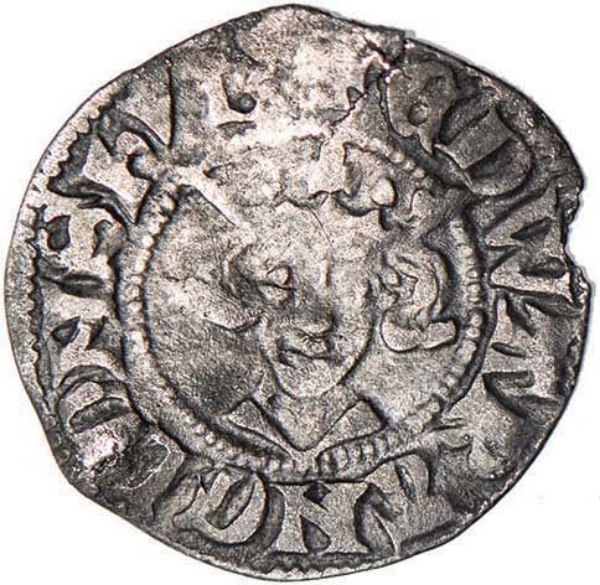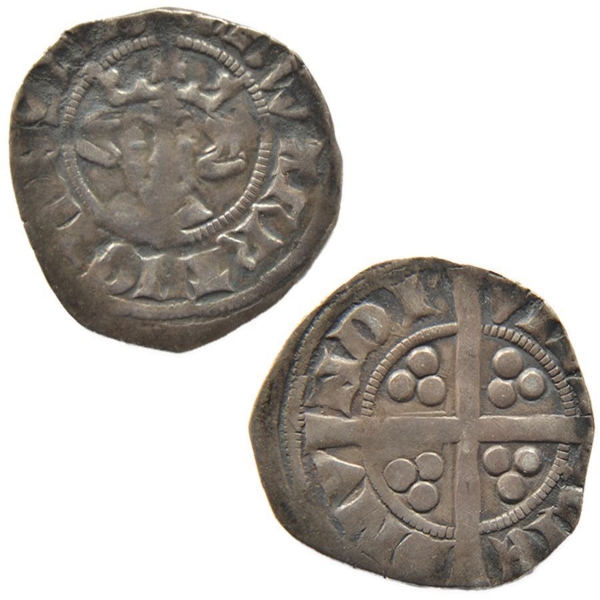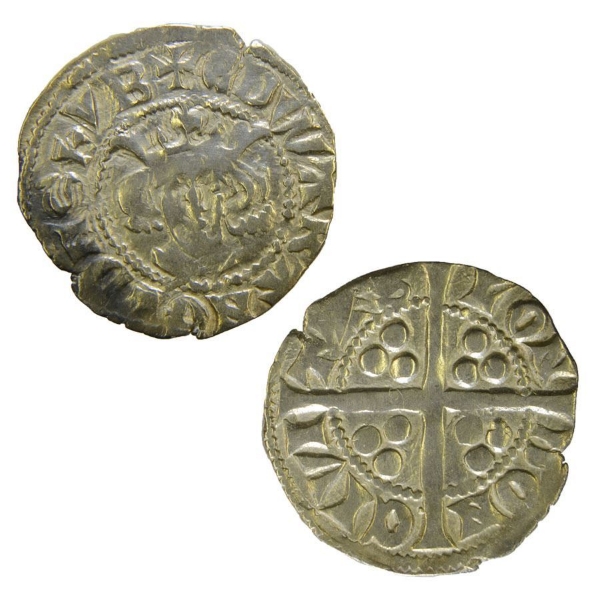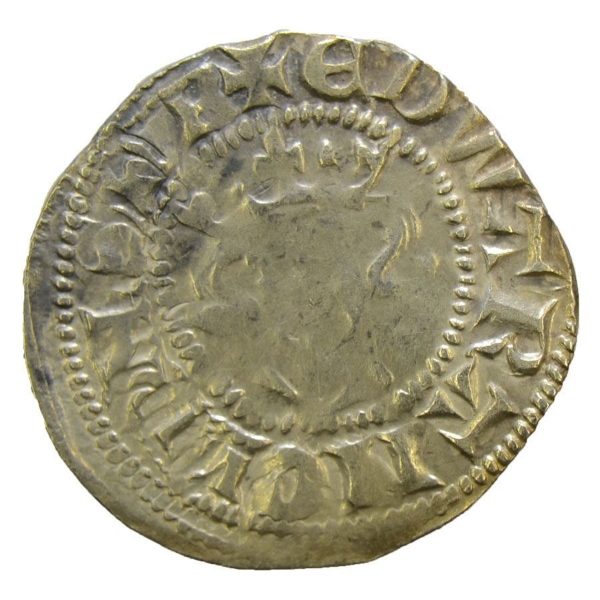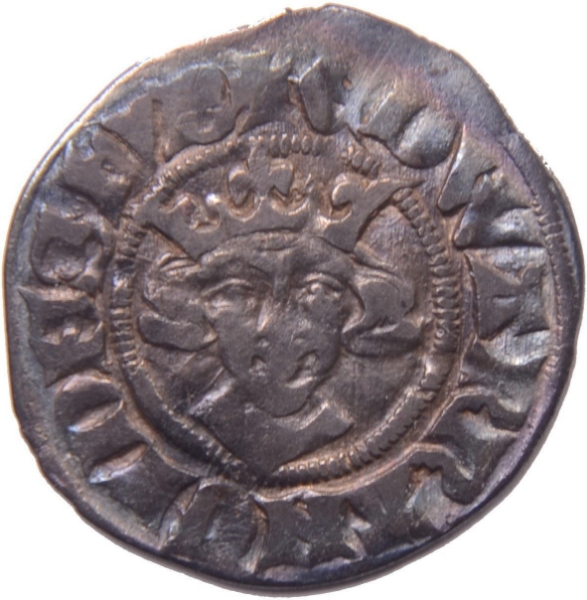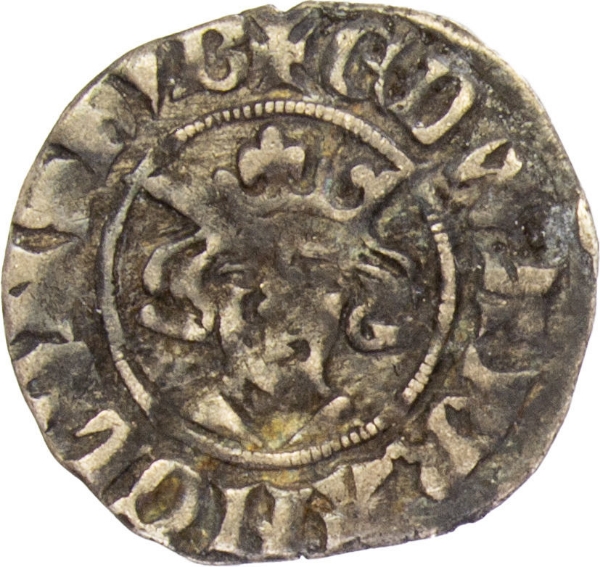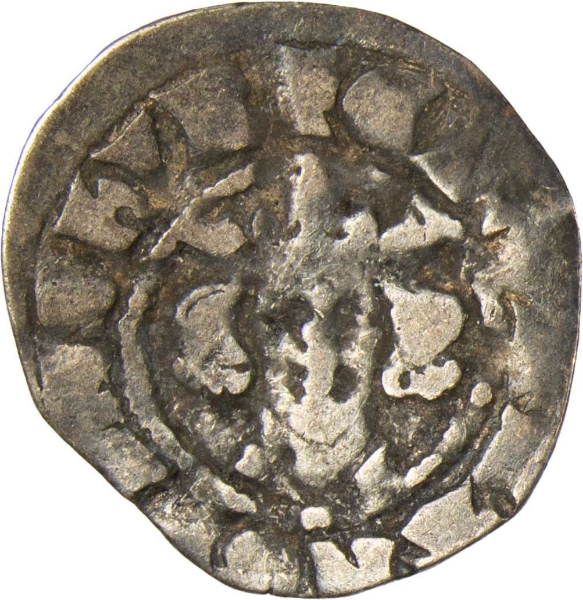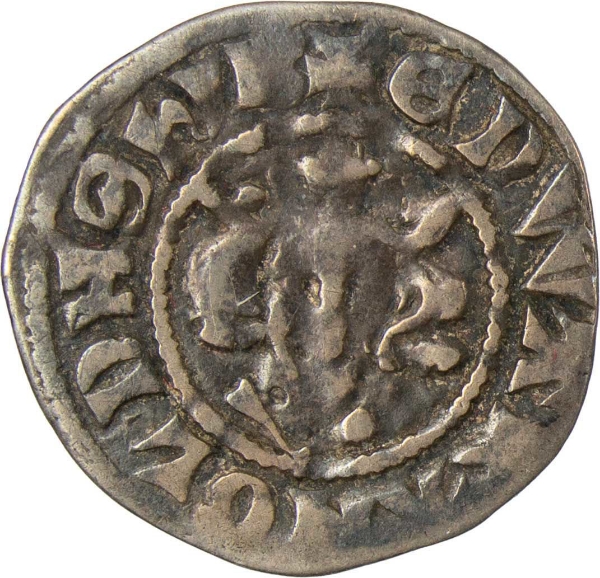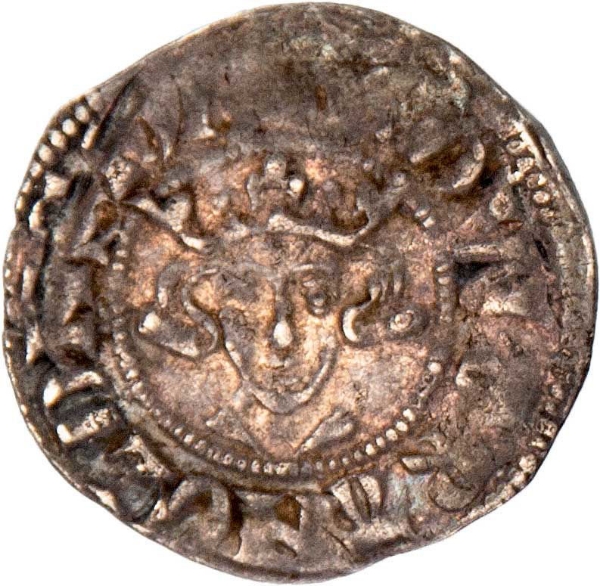
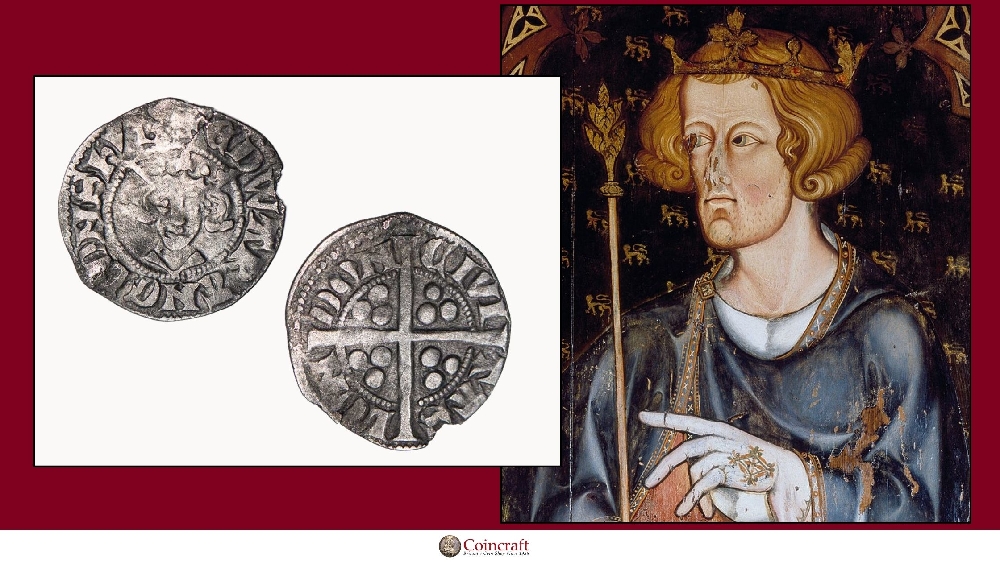
Picture Source King Edward II: Wikipedia
Introduction to King Edward II: A Brief Overview
King Edward II of England, often remembered for his tumultuous reign, held the throne from 1307 until his forced abdication in 1327. He succeeded his formidable father, Edward I, and immediately faced the daunting task of living up to the legacy left by his predecessors. Known for his complex personality and controversial decisions, Edward II's era was marked by significant political and social upheaval, setting the stage for a dramatic period in English history.
Edward's reign was characterised by both achievements and controversies. Unlike his father, he was not a warrior king, which led to challenges in asserting his authority. His personal relationships, particularly with favourites like Piers Gaveston and Hugh Despenser, significantly influenced his rule and contributed to his downfall. Despite these challenges, Edward's reign also witnessed important developments, including administrative reforms and attempts to manage the kingdom's finances.
The legacy of King Edward II is multifaceted, encompassing both his struggles and his contributions to the English monarchy. His reign represents a period of transition, with lessons that continued to shape English governance long after his time. Understanding Edward II's reign provides invaluable insights into the complexities of medieval monarchy and the enduring impact of his leadership.
Early Life and Ascension to the Throne
Edward II was born on 25 April 1284 at Caernarfon Castle in Wales, the son of Edward I and Eleanor of Castile. As the fourth son, his ascension to the throne was not initially anticipated. However, following the deaths of his elder brothers, Edward became the heir apparent. His upbringing was typical of a royal prince, receiving a comprehensive education in the arts of governance and warfare.
Edward's relationship with his father was strained, primarily due to differing personalities and interests. While Edward I was a formidable military leader, his son showed little inclination towards martial pursuits. This divergence often led to conflicts, particularly over the younger Edward's choice of friends and companions, which included the infamous Piers Gaveston.
Edward ascended the throne in 1307 after the death of his father. His coronation marked the beginning of a reign that would be fraught with challenges. Unlike his father, Edward II lacked the military prowess and political acumen that were essential for maintaining authority during a period of political instability. This would eventually contribute to the difficulties he faced as a ruler, setting the tone for the controversies and conflicts that would define his reign.
Key Achievements of King Edward II
Despite the challenges he faced, Edward II's reign was not without achievements. One of his notable contributions was the development of the English navy. Recognising the importance of maritime power, Edward invested in building a fleet that would serve as a foundation for future naval strength. This move demonstrated his understanding of England's strategic needs and contributed to the long-term security of the realm.
Edward II also implemented several administrative reforms aimed at improving the efficiency of governance. He sought to streamline the judicial system and enhance the management of royal finances. These efforts, though not always successful, reflected his desire to modernise the administration and address the kingdom's financial challenges. By attempting to improve governance, Edward laid the groundwork for future reforms that would benefit subsequent monarchs.
His efforts in infrastructure development, particularly in relation to castles and fortifications, also stand out. Edward commissioned the construction and enhancement of several castles, which served both as military strongholds and symbols of royal authority. These fortifications played a vital role in maintaining control over rebellious regions and securing the kingdom's borders.
The Challenges and Controversies of His Reign
Edward II's reign was marked by numerous challenges and controversies, many of which stemmed from his relationships with his favourites. His close association with Piers Gaveston, who was perceived as wielding undue influence over the king, sparked resentment among the nobility. This resentment culminated in Gaveston's eventual execution, highlighting the deep divisions within the realm.
Another significant challenge was Edward's ongoing conflict with the nobility, particularly the powerful barons who sought to limit his authority. The Ordinances of 1311, imposed by the barons, sought to curtail the king's power by restricting his ability to make appointments and manage the kingdom's finances. Edward's resistance to these ordinances led to further tensions and contributed to his eventual downfall.
Edward's military campaigns, particularly in Scotland, were also fraught with difficulty. His failure to maintain the territorial gains achieved by his father, combined with his defeat at the Battle of Bannockburn in 1314, severely undermined his credibility as a military leader. These setbacks diminished his authority and emboldened his adversaries, both at home and abroad.
Edward II's Relationships: Allies and Adversaries
The personal relationships of King Edward II played a significant role in shaping the course of his reign. His bond with Piers Gaveston, a Gascon knight, became one of the most contentious aspects of his rule. Gaveston's influence over Edward incited jealousy and anger among the barons, who viewed him as an outsider and a threat to their power. Gaveston's eventual execution was a turning point, highlighting the volatility of the political landscape.
Following Gaveston's death, Edward formed a close alliance with Hugh Despenser the Younger, another favourite whose presence at court caused further discord. The Despenser family's rise to power exacerbated tensions with the nobility, leading to a series of conflicts known as the Despenser Wars. Edward's reliance on Despenser ultimately contributed to his downfall, as it alienated key supporters and intensified opposition.
In contrast, Edward's relationship with his wife, Isabella of France, deteriorated over time. Initially a political alliance, their marriage became strained due to Edward's neglect and the influence of his favourites. Isabella's eventual alliance with Roger Mortimer, a powerful nobleman, led to Edward's capture and forced abdication. These complex relationships illustrate the intricate dynamics of court politics during his reign.
The Role of the Nobility in Edward II's Rule
The nobility played a crucial role in the governance of England during Edward II's reign. Their influence was both a source of support and a formidable challenge for the king. The barons, wielding significant power and resources, were instrumental in shaping the policies and direction of the monarchy. However, their interests often clashed with Edward's, leading to ongoing conflicts and power struggles.
The Ordinances of 1311 serve as a prime example of the nobility's attempt to curtail the king's authority. By imposing these restrictions, the barons sought to assert their control over the governance of the realm. Edward's resistance to these measures resulted in a prolonged struggle for power, with the king ultimately failing to maintain his grip on authority.
The Despenser Wars further illustrate the tensions between Edward and the nobility. The rise of the Despenser family, seen as a threat to the established order, led to widespread rebellion among the barons. Edward's inability to effectively manage these conflicts weakened his position and contributed to his eventual downfall. The role of the nobility in Edward II's reign underscores the complexities of medieval power dynamics and the challenges faced by monarchs in balancing competing interests.
Significant Battles and Military Campaigns
Edward II's reign was marked by several significant military campaigns, with varying degrees of success. One of the most notable was the Battle of Bannockburn in 1314, a decisive conflict against Robert the Bruce of Scotland. The battle ended in a disastrous defeat for Edward's forces, solidifying Scotland's independence and severely undermining his military reputation.
In addition to the Scottish campaigns, Edward faced challenges in maintaining control over Wales and Ireland. These regions, characterised by ongoing unrest and resistance, required constant attention and resources. Edward's efforts to subdue these territories were met with limited success, further straining his resources and diminishing his authority.
Despite these setbacks, Edward's reign also witnessed attempts to strengthen England's military capabilities. His investment in the navy, although not immediately impactful, laid the groundwork for future maritime strength. These military endeavours, while often fraught with difficulties, highlight the challenges faced by medieval monarchs in maintaining territorial control and asserting their authority.
The Impact of Edward II's Policies on England
Edward II's policies, though often controversial, had a lasting impact on the governance and society of England. His attempts to reform the administration and improve royal finances reflected a desire to modernise the kingdom's governance. While not always successful, these efforts contributed to the evolution of English administrative practices.
The economic challenges of Edward's reign, exacerbated by military expenditures and political conflicts, necessitated efforts to stabilise the kingdom's finances. Edward's policies aimed at addressing these issues, though often met with resistance, would influence future fiscal reforms. The financial struggles of his reign underscore the importance of effective governance and resource management in maintaining stability.
Socially, Edward's reign was marked by tensions between the crown and the nobility. His reliance on favourites and the resulting power struggles highlighted the complexities of medieval court politics. These dynamics would continue to shape the relationship between the monarchy and the nobility, influencing the development of English governance in the centuries that followed.
The Downfall of King Edward II: Causes and Consequences
The downfall of King Edward II was the culmination of ongoing conflicts and challenges that plagued his reign. His reliance on unpopular favourites, combined with his strained relationships with the nobility, weakened his position and led to widespread opposition. The rise of Isabella of France and Roger Mortimer, who orchestrated his capture, marked the final blow to his authority.
Edward's forced abdication in 1327 was a significant event, illustrating the vulnerability of monarchs to political machinations and shifting alliances. His deposition, orchestrated by his wife and Mortimer, was a turning point in English history, highlighting the importance of securing noble support and maintaining effective governance.
The consequences of Edward's downfall were far-reaching. His son, Edward III, ascended the throne, ushering in a new era marked by renewed military campaigns and territorial expansion. The events of Edward II's reign served as a cautionary tale, emphasising the importance of balancing personal relationships with political responsibilities and maintaining a strong grip on authority.
The Legacy of King Edward II: Historical Perspectives
King Edward II's legacy is a subject of ongoing historical debate, with perspectives varying based on interpretations of his achievements and failures. Some historians view his reign as a period of mismanagement and decline, characterised by military defeats and political instability. Others argue that Edward's efforts to modernise the administration and strengthen the navy were significant contributions to England's development.
The controversies surrounding Edward's personal relationships and reliance on favourites have also shaped his historical reputation. His inability to manage these relationships effectively is often cited as a key factor in his downfall. However, these dynamics also provide valuable insights into the complexities of medieval court politics and the challenges faced by monarchs in balancing personal and political interests.
Overall, Edward II's reign represents a critical period in English history, marked by both triumphs and tribulations. His legacy, though often overshadowed by his more successful successors, continues to offer important lessons on leadership, governance, and the enduring impact of personal relationships on political power.
Key Takeaways:
- Edward II ruled England from 1307 to 1327, facing political instability and military challenges.
- His reign was influenced by controversial favourites like Piers Gaveston and Hugh Despenser.
- He contributed to developing the English navy and made some administrative reforms.
- Edward suffered a major defeat at the Battle of Bannockburn and conflicts with the nobility.
- His strained relationships, including with his wife Isabella, led to his forced abdication.
- His legacy is mixed, with both failures and important contributions to English governance.
- Edward III succeeded him, restoring stability and military strength.
FAQs:
Who was Edward II?
King of England from 1307 to 1327, known for a troubled reign.What were his main challenges?
Conflicts with nobles, military defeats, and unpopular favourites.What did he achieve?
Developed the navy and made some administrative reforms.Why was he forced to abdicate?
Due to political opposition, military failures, and his wife’s rebellion.What was the Battle of Bannockburn?
A major defeat to Scotland in 1314 that weakened his rule.Who succeeded him?
His son, Edward III.