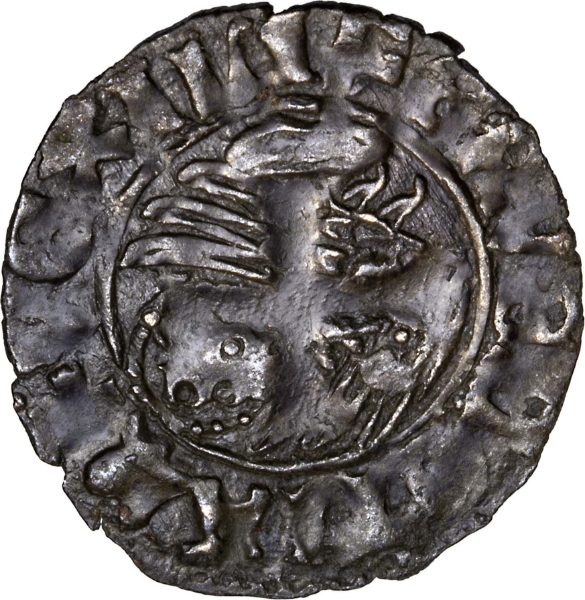
Picture Source of Antonio Venier: Wikipedia
 - FIT9904 .jpg)
Introduction to Antonio Venier
Antonio Venier, a name that echoes through the corridors of Venetian history, served as the Doge of Venice from 1382 to 1400. His tenure as Doge marked a pivotal time for the Venetian Republic, a period characterised by both political challenges and economic prosperity. Venier's leadership is often viewed through the lens of his ability to navigate the complexities of Venetian politics and his contributions to the stability and growth of Venice during a time of significant change.
Venier hailed from a noble Venetian family, which had long been influential in the politics of the Republic. His upbringing in such a politically active environment undoubtedly shaped his understanding of governance and diplomacy. As a young man, Venier was exposed to the intricacies of Venetian political life, which prepared him for his future role as Doge. This background provided him with the tools necessary to influence the direction of the Republic during his leadership.
The importance of Antonio Venier in Venetian history cannot be overstated. His tenure as Doge was marked by both domestic and international challenges, but his adept handling of these issues ensured that Venice remained a dominant power in the Mediterranean. Through his leadership, Venier left an indelible mark on Venice, one that continues to be studied and admired by historians and scholars to this day.
Historical Context of Antonio Venier's Life
The 14th century was a transformative period for Venice, characterised by both growth and turmoil. During this time, Venice was emerging as a formidable maritime power, with its influence extending across the Mediterranean. This expansion, however, was not without its challenges, as the Republic faced threats from rival states and internal strife. Antonio Venier's life and career must be understood within this broader historical context, as his actions were deeply influenced by the events of the time.
The Black Death, which swept through Europe in the mid-14th century, had a profound impact on Venice, significantly reducing its population. This demographic crisis posed serious challenges for the Republic, as it struggled to maintain its economic and military strength. Venier, who lived through this period, would have witnessed firsthand the effects of the plague and the subsequent efforts to rebuild and strengthen the city-state.
Additionally, the political landscape of the time was marked by the rise of powerful city-states and kingdoms, each vying for control of trade routes and territories. Venice, with its strategic position and maritime prowess, was both a coveted ally and a formidable rival. Venier's tenure as Doge was defined by his ability to navigate these complex political dynamics, ensuring that Venice maintained its position as a leading power in the region.
The Role of Antonio Venier in Venetian Politics
As Doge, Antonio Venier played a crucial role in shaping the political landscape of Venice. His leadership was characterised by a careful balance of diplomacy and strength, enabling him to maintain stability within the Republic while also projecting Venetian power abroad. Venier's political acumen was evident in his handling of both internal and external challenges, which helped solidify his legacy as a skilled and effective leader.
Internally, Venier focused on strengthening the institutions of the Republic, ensuring that they operated efficiently and fairly. He was committed to upholding the rule of law and worked to prevent corruption within the government. By promoting transparency and accountability, Venier helped to foster a sense of trust and cooperation among the various factions within Venetian society, which was essential for maintaining stability and unity.
Externally, Venier was adept at navigating the complex web of alliances and rivalries that characterised the political landscape of the time. He understood the importance of maintaining strong relationships with other states and worked tirelessly to secure favourable agreements and treaties. Through his diplomatic efforts, Venier was able to protect Venetian interests and expand the Republic's influence across the Mediterranean.
Major Achievements and Contributions of Antonio Venier
Antonio Venier's tenure as Doge was marked by numerous achievements that had a lasting impact on Venice. One of his most significant contributions was his role in strengthening the Republic's naval power. Under Venier's leadership, the Venetian fleet was expanded and modernised, ensuring that it remained a dominant force in the Mediterranean. This focus on naval strength not only protected Venetian trade routes but also bolstered the Republic's economic prosperity.
Another key achievement of Venier's leadership was his efforts to enhance the infrastructure of Venice. Recognising the importance of maintaining and improving the city's physical environment, Venier oversaw numerous public works projects, including the construction and repair of important buildings and canals. These projects not only improved the quality of life for Venetians but also contributed to the city's aesthetic appeal, attracting visitors and fostering a sense of civic pride.
Venier also played a pivotal role in promoting cultural and intellectual pursuits within the Republic. He was a patron of the arts and encouraged the development of literature, music, and the visual arts. This support for cultural endeavours helped to cultivate a vibrant artistic community in Venice, which would later become one of the city's defining characteristics. Through his patronage, Venier contributed to the flourishing of the arts and the spread of Renaissance ideas within the Republic.
Antonio Venier's Legacy in Modern Venice
The legacy of Antonio Venier continues to resonate in modern Venice, as his contributions to the city's development and prosperity are still evident today. His focus on strengthening Venice's naval power laid the foundation for the Republic's continued dominance in the Mediterranean, a legacy that endures in the city's maritime traditions and institutions. The modern Venetian navy, though vastly different from that of Venier's time, still reflects the emphasis on naval strength that he championed.
Venier's commitment to infrastructure development and public works also left a lasting impact on the city. Many of the buildings and canals constructed during his tenure remain integral parts of Venice's architectural heritage. These structures not only serve as reminders of Venier's leadership but also contribute to the city's unique character and charm. The preservation of these historic sites is a testament to the enduring influence of Venier's vision for Venice.
Culturally, Venier's support for the arts has continued to shape the identity of Venice. The city remains a hub of artistic and cultural activity, attracting artists, musicians, and scholars from around the world. This vibrant cultural scene can be traced back to the foundations laid during Venier's time as Doge, when he championed the importance of artistic expression and intellectual exploration. His legacy in this regard is reflected in the numerous festivals, exhibitions, and performances that continue to enrich the cultural fabric of Venice.
Cultural Representations of Antonio Venier
Antonio Venier's impact on Venetian history has been immortalised in various cultural representations, which highlight his significance as a leader and his enduring legacy. These representations can be found in literature, art, and even popular culture, each offering a unique perspective on Venier's contributions to Venice and the broader world.
In literature, Venier is often depicted as a wise and capable leader, whose tenure as Doge was marked by both challenges and triumphs. Historical novels and biographies frequently explore his life and career, providing readers with insights into the political and social dynamics of the time. These works not only celebrate Venier's accomplishments but also offer a window into the rich tapestry of Venetian history.
Venier's legacy is also evident in the visual arts, where he is often portrayed in paintings and sculptures. These artistic representations capture the essence of Venier's leadership and the grandeur of the Republic during his time. Many of these works can be found in museums and galleries in Venice and beyond, where they continue to inspire and captivate audiences with their depiction of this pivotal figure in Venetian history.
In popular culture, Venier's story has been adapted into films and television series, which bring his life and achievements to a wider audience. These adaptations often dramatise his political and personal struggles, highlighting the challenges he faced and the impact of his decisions on the course of Venetian history. Through these cultural representations, Venier's legacy is preserved and celebrated, ensuring that his contributions to Venice are not forgotten.
The Impact of Antonio Venier on the Venetian Republic
Antonio Venier's impact on the Venetian Republic was profound, as his leadership helped to shape the course of the city's history and secure its position as a dominant power in the Mediterranean. His tenure as Doge was characterised by a focus on strengthening the Republic's military and economic capabilities, which ensured that Venice remained a formidable force in the region.
One of the most significant impacts of Venier's leadership was his role in bolstering the Republic's naval power. By expanding and modernising the Venetian fleet, Venier ensured that the Republic could protect its trade routes and maintain its economic prosperity. This focus on naval strength also allowed Venice to project its influence across the Mediterranean, securing alliances and expanding its territorial holdings.
Venier's efforts to promote stability and unity within the Republic also had a lasting impact on Venetian society. By fostering a sense of trust and cooperation among the various factions within Venetian politics, Venier helped to prevent internal strife and maintain the stability of the Republic. This focus on unity and collaboration ensured that Venice could weather the challenges of the time and continue to thrive as a leading power in the region.
Contemporary Perspectives on Antonio Venier
In contemporary times, Antonio Venier is often viewed as a pivotal figure in Venetian history, whose leadership and vision helped to shape the course of the Republic's development. Historians and scholars continue to study his life and achievements, offering new insights into his contributions to Venice and the broader world.
Modern perspectives on Venier often emphasise his diplomatic skills and ability to navigate the complex political landscape of the time. His adept handling of both internal and external challenges is frequently cited as a key factor in his success as Doge, highlighting the importance of diplomacy and negotiation in maintaining stability and prosperity.
Additionally, contemporary analyses of Venier's leadership often focus on his contributions to the cultural and intellectual life of Venice. His support for the arts and promotion of cultural pursuits are seen as integral to the development of the city's vibrant artistic community, which continues to be a defining characteristic of Venice today. Through his patronage and encouragement of artistic expression, Venier's legacy endures in the cultural fabric of the city.
The Enduring Legacy of Antonio Venier
Antonio Venier's legacy is one of enduring significance, as his contributions to the Venetian Republic continue to shape the city's history and identity. His leadership during a time of both challenges and opportunities ensured that Venice remained a dominant power in the Mediterranean, while his support for the arts and cultural pursuits helped to cultivate a vibrant and thriving community.
Venier's impact on Venice is evident in the city's continued emphasis on naval strength, its rich architectural heritage, and its vibrant cultural scene. These elements, which were shaped and influenced by Venier's leadership, continue to define the character and identity of modern Venice.
As we reflect on the legacy of Antonio Venier, it is important to recognise the enduring impact of his leadership and vision. Through his contributions to the political, economic, and cultural life of Venice, Venier left an indelible mark on the city, one that continues to inspire and captivate those who seek to understand the rich tapestry of Venetian history.