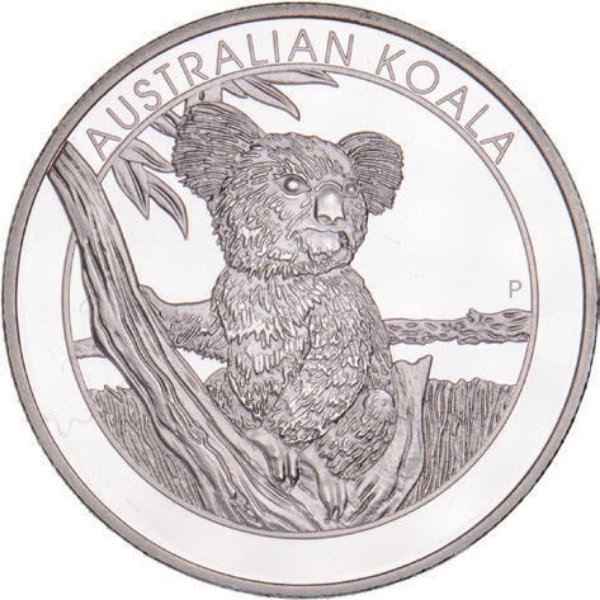
Picture Source of a Koala: Wikipedia
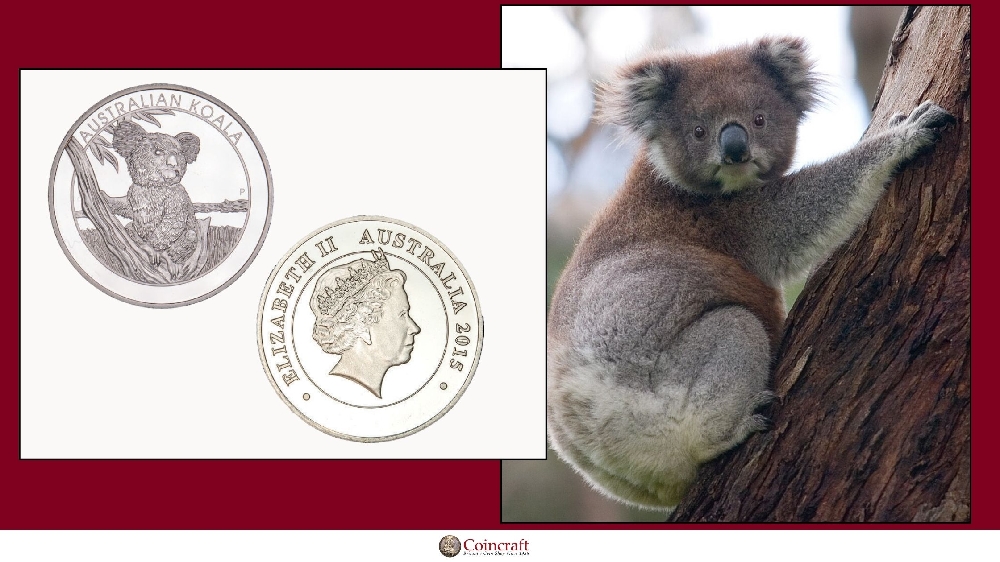
Beyond the Cuddle: The Surprising and Secret Life of the Koala
When you think of iconic Australian animals, your mind probably jumps straight to a kangaroo, a platypus, or, most likely, a sleepy, fuzzy, grey creature clinging to a gum tree. I'm talking, of course, about the adorable koala.
For decades, we've known them as "koala bears," but let's clear up the number one misconception right off the bat: koalas are not bears at all!¹ They are, in fact, marsupials, and they belong to a completely unique family. Their name is believed to come from the Dharug (an Aboriginal language) word 'gula' or 'gulamany,' meaning 'no water' or 'no drink.'¹² This is a perfect clue to their very strange and specialized lifestyle, which we're about to dive into.
This post is all about getting to know the real koala—beyond the cuddly appearance and the sleepy reputation.
Key Takeaways
Before we get deep into the gum leaves, here are the most important things to know about these amazing animals:
Not a Bear! Koalas are marsupials, like kangaroos and wombats. Their babies, called joeys, develop in a pouch.
A Toxic Diet: They have a highly specialized diet, eating almost exclusively eucalyptus leaves, which are toxic to most other animals.
The Big Sleep: Their famous 18-22 hour naps aren't laziness! It's a vital energy-conservation strategy needed to digest their low-nutrient, fibrous food.
Surprising Features: Koalas have two opposable thumbs on each front paw and fingerprints that are almost identical to human ones.
An Icon at Risk: Koalas are in serious trouble. In 2022, they were officially listed as "Endangered" in Queensland, New South Wales, and the Australian Capital Territory due to threats like habitat loss, disease, and climate change.
The Original "Bear"-Faced Liar
So if they're not bears, what are they? Koalas (scientific name Phascolarctos cinereus) are in a class of their own. Their closest living relative, believe it or not, is the wombat!¹² Like wombats, a koala's pouch (where the joey grows) faces backward. This is super practical, as it stops the pouch from getting snagged on branches or filled with bark and leaves while the mother climbs.
But the unique features don't stop there. Take a look at their hands. A koala has two opposable thumbs on each front paw, giving it an incredible five-fingered grip for climbing high into the canopy.³ And here's a great trivia night fact: koalas have fingerprints that are so similar to human ones, it's difficult to tell them apart, even under a microscope!⁴
The Eucalyptus-Only Cafe: A Finicky Eater
You've probably heard that koalas are picky eaters, but that's an understatement. They survive on a diet almost entirely of eucalyptus (gum) leaves. Of the 700+ species of eucalyptus in Australia, koalas will only eat the leaves of about 50, and in their own home range, they might only feed on a handful of preferred trees.¹
This diet is a huge evolutionary gamble. Eucalyptus leaves are extremely fibrous, low in nutrients, and—most importantly—packed with toxins that make them poisonous to most other animals.³ Koalas have a specialized liver and a super-long digestive tract with special gut bacteria that work overtime to detoxify the leaves and extract every last bit of energy.⁵
This diet is also why they have the name "no water." They get most of the moisture they need from the eucalyptus leaves they eat, so they very rarely need to come down from the trees to drink.¹¹
The 22-Hour Nap: A Life of Energy-Saving
This brings us to their most famous trait: the napping. Koalas can sleep for 18 to 22 hours a day!¹
It's a common myth that they're "drugged" or "high" on eucalyptus. The truth is much more practical. Because their food is so low in energy and takes so much effort to digest, their entire lifestyle is built around conserving energy.⁶ Sleeping, and sleeping a lot, is their ultimate survival strategy. When they're not napping, they're almost certainly eating, consuming up to a kilogram (2.2 pounds) of leaves every day.⁶
A Surprising Social (and Noisy) Life
For a long time, we thought of koalas as total loners. While they aren't exactly party animals, they live in complex social groups with "home ranges." These territories overlap, and koalas definitely know who their neighbors are.⁷
They communicate in ways you might not expect. They're not silent, cuddly fluffballs. Males, in particular, have a deep, grunting bellow that sounds more like a snore or a belch. It's a surprisingly loud noise that they use to establish dominance and find a mate.⁷ They also use scent glands on their chests to rub on trees and mark their territory.⁸
And, of course, there's the mother-joey relationship, which is one of the strongest bonds. A joey is born blind, hairless, and about the size of a jellybean. It crawls into the mother's pouch on its own and stays there for about six months. When it's ready to transition from milk to leaves, the mother produces a special substance called "pap"—a form of pre-digested eucalyptus—which gives the joey the essential gut microbes it will need to handle its toxic new diet.³
An Icon Under Threat
We have to end on a serious note. For all their cuteness and unique adaptations, koalas are in serious trouble.
In February 2022, the Australian government officially listed koala populations in Queensland, New South Wales, and the ACT as "Endangered."⁹ Their numbers have been in steep decline for years, and they face a devastating combination of threats.
Habitat Loss: This is the big one. Koalas' eucalyptus forests are being cleared for agriculture, urban development, and logging. This forces koalas into smaller, fragmented patches of habitat.¹⁰
Disease: Chlamydia, a disease that also affects humans, is widespread in many koala populations. It can cause blindness, infertility, and death.³
Cars and Dogs: As koalas are forced to travel on the ground between fragmented habitats, they are at huge risk of being hit by cars or attacked by domestic dogs.³
Climate Change: More frequent and intense droughts and bushfires (like the catastrophic fires of 2019-2020) have destroyed massive areas of koala habitat and killed thousands of animals.¹⁰
Frequently Asked Questions (FAQs)
Q: Are koalas really bears? A: Nope! This is the most common myth. Koalas are marsupials, meaning they are related to kangaroos and wombats, not bears.
Q: Why do koalas sleep so much? A: It's all about conserving energy! Their diet of eucalyptus leaves is very low in nutrients and hard to digest, so they sleep up to 22 hours a day to save energy.
Q: Can I get a cuddle from a koala? A: While they look cuddly, they are wild animals with very sharp claws and teeth for climbing. You should never approach a wild koala. Cuddling them is very stressful for the animal and can be dangerous for you. Some licensed sanctuaries in Australia allow supervised encounters, but wild koalas are best admired from a distance.
References
WILD LIFE Sydney Zoo. (n.d.). Facts about Koalas. Available at: https://www.wildlifesydney.com.au/information/news/facts-about-koalas/
Queensland Department of Environment, land and water. (2025). Nine fascinating koala facts you might not know. Available at: https://www.detsi.qld.gov.au/our-department/news-media/down-to-earth/koala-facts
Tourism Australia. (n.d.). Interesting Facts about Koalas. Available at: https://www.australia.com/en-gb/things-to-do/wildlife/facts-about-koalas.html
Discover the World. (n.d.). 7 Things You May Not Know About Koalas. Available at: https://www.discover-the-world.com/blog/7-things-you-may-not-know-about-koalas/
Western Sydney University. (2025). How Koalas' Gut Microbes Influence Their Health. Available at: https://www.westernsydney.edu.au/hie/topics/how_koalas_gut_microbes_influence_their_health
Koala. (2023). Facts About Koalas: We Answer Your Questions and More. Available at: https://au.koala.com/blogs/treetops-blog/interesting-facts-about-koalas
Australian Koala Foundation. (n.d.). How koalas live, socialise & communicate. Available at: https://savethekoala.com/about-koalas/how-koalas-live-socialise-communicate/
Facts and Details. (n.D.). Koala Behavior: Trees, Communication, Reproduction, Young. Available at: https://ioa.factsanddetails.com/article/entry-757.html
IFAW. (2025). Koalas: Habitat, Conservation Status, & Threats. Available at: https://www.ifaw.org/uk/animals/koalas
Redland City Council. (n.d.). Threats to koalas. Available at: https://www.redland.qld.gov.au/Environment-and-sustainability/Koala-conservation/Threats-to-koalas
Mongabay Kids. (2025). Koalas sleep all the time — but why? Fun facts about koalas. Available at: https://kids.mongabay.com/koalas-sleep-all-the-time-but-why-fun-facts-about-koalas/