.png)
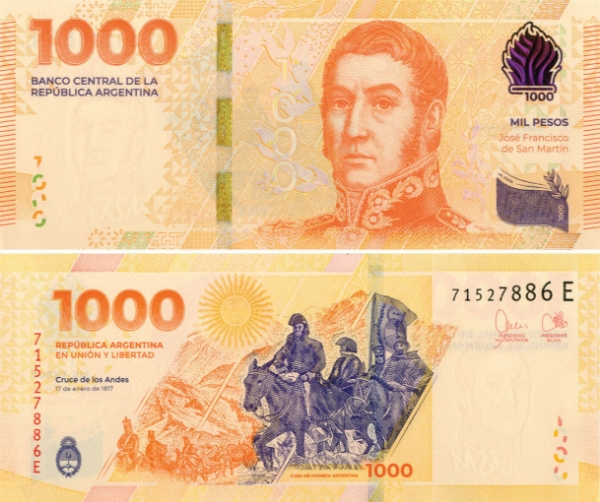
Picture Source of Jose San Martin: Biography
Introduction to José San Martín and His Historical Context
José San Martín stands as a towering figure in South American history, celebrated for his pivotal role in liberating multiple nations from Spanish colonial rule. Born in the late 18th century, San Martín's life and legacy are deeply intertwined with the tumultuous period of the South American Wars of Independence. This era was marked by a wave of revolutionary fervour that swept across the continent, challenging centuries of European dominance.
The historical backdrop of San Martín's life was one of widespread social and political upheaval. The influence of Enlightenment ideals, combined with the economic and social injustices perpetuated by colonial powers, fuelled the desire for independence among the colonised regions. As European powers grappled with their own internal conflicts, including the Napoleonic Wars, South American leaders seized the opportunity to assert their autonomy.
San Martín's contributions to this transformative period are undeniable. His strategic acumen and unwavering dedication to the cause of independence earned him a place of honour among the great liberators of the continent. To fully appreciate his impact, it is essential to delve into his early life, military career, and the lasting influence of his revolutionary ideals.
Early Life and Influences of José San Martín
José Francisco de San Martín was born on 25 February 1778 in Yapeyú, a small village in the Viceroyalty of the Río de la Plata, in present-day Argentina. His father, Juan de San Martín, served as a Spanish official, which exposed young José to the intricacies of colonial governance and military life from an early age. This upbringing laid the foundation for his later military career and revolutionary aspirations.
San Martín's education and early experiences were pivotal in shaping his worldview. At the age of seven, he moved with his family to Spain, where he received formal education. He joined the Spanish army as a cadet at the age of eleven, marking the beginning of his illustrious military career. His time in Europe exposed him to Enlightenment ideas and the burgeoning spirit of nationalism, which would later inform his revolutionary ethos.
The influence of notable figures and events during his time in Europe cannot be understated. The French Revolution and the rise of Napoleon Bonaparte were significant in shaping San Martín's understanding of the power of revolutionary movements. These experiences instilled in him the belief that the people of South America, too, could rise against colonial oppression and forge their own path to sovereignty.
The Role of José San Martín in the South American Wars of Independence
José San Martín's return to South America in 1812 marked the beginning of his active involvement in the continent's struggle for independence. He arrived in Buenos Aires, where he quickly aligned himself with the revolutionary cause. His military expertise and leadership skills were soon recognised, and he was appointed to lead the Army of the North, tasked with defending the newly independent provinces from Spanish forces.
San Martín's strategic genius was evident in his ambitious plan to liberate Chile and Peru, two key regions under Spanish control. Recognising the formidable challenges posed by the Spanish strongholds, he devised a bold strategy to cross the Andes Mountains, a feat previously deemed impossible. This daring manoeuvre not only took the enemy by surprise but also demonstrated his innovative military tactics and unwavering resolve.
The successful crossing of the Andes in 1817 led to the decisive Battle of Chacabuco, where San Martín's forces defeated the Spanish, paving the way for the liberation of Chile. His subsequent campaign in Peru culminated in the capture of Lima and the declaration of Peruvian independence in 1821. Through these significant victories, San Martín solidified his reputation as a key architect of South American independence.
Key Achievements of José San Martín
José San Martín's contributions to the liberation of South America are marked by several key achievements that have left an indelible mark on the continent's history. His visionary military campaigns not only liberated nations but also inspired future generations of leaders to pursue the ideals of freedom and self-determination.
One of San Martín's most significant achievements was the establishment of a free and independent Chile. His successful crossing of the Andes and subsequent victories against the Spanish forces were instrumental in dismantling colonial rule in the region. By liberating Chile, San Martín not only secured a strategic ally but also created a launching pad for the liberation of Peru, further extending the reach of the revolutionary movement.
The liberation of Peru stands as another monumental achievement in San Martín's career. His strategic foresight and diplomatic acumen were evident in his ability to rally local support and forge alliances with indigenous leaders. The capture of Lima and the proclamation of Peruvian independence marked a turning point in the struggle against Spanish colonialism, demonstrating the power of unity and collaboration in achieving common goals.
The Strategic Vision of José San Martín: Military Tactics and Leadership
José San Martín's military tactics and leadership style were characterised by a strategic vision that set him apart from his contemporaries. His ability to adapt to changing circumstances and devise innovative strategies played a crucial role in his success on the battlefield. San Martín was not only a skilled tactician but also a charismatic leader who inspired loyalty and determination among his troops.
One of the hallmarks of San Martín's military strategy was his emphasis on mobility and surprise. The audacious crossing of the Andes is a testament to his tactical ingenuity. By choosing an unexpected route and capitalising on the element of surprise, San Martín was able to outmanoeuvre the Spanish forces and gain a decisive advantage. His ability to anticipate the enemy's moves and respond swiftly was instrumental in securing key victories.
In addition to his tactical prowess, San Martín's leadership style was characterised by a deep commitment to the welfare of his soldiers. He understood the importance of morale and ensured that his troops were well-equipped and motivated. By fostering a sense of camaraderie and shared purpose, San Martín created a resilient and cohesive fighting force capable of overcoming formidable challenges.
José San Martín and His Relationship with Other Revolutionary Leaders
José San Martín's relationships with other revolutionary leaders were marked by mutual respect and a shared commitment to the cause of independence. Throughout his military campaigns, San Martín collaborated with notable figures such as Simón Bolívar, who played a complementary role in the liberation of South America. Their interactions were characterised by a pragmatic approach to achieving common goals, despite occasional differences in strategy and vision.
The meeting between San Martín and Bolívar in Guayaquil in 1822 is a defining moment in the history of South American independence. While both leaders shared a common objective, their approaches differed significantly. San Martín advocated for a monarchical system to ensure stability, while Bolívar favoured a republican model. Despite these differences, the meeting underscored the importance of collaboration and compromise in achieving the broader goal of independence.
San Martín's ability to work with other leaders extended beyond his interactions with Bolívar. He forged alliances with local leaders and indigenous groups, recognising the importance of unity in the face of a common enemy. His diplomatic skills and willingness to collaborate with diverse stakeholders were crucial in building a cohesive resistance movement that transcended regional and cultural differences.
The Legacy of José San Martín in Modern South America
The legacy of José San Martín is deeply embedded in the fabric of modern South America. His contributions to the continent's struggle for independence have left an enduring impact on the political, social, and cultural landscape of the region. San Martín's ideals of freedom, unity, and self-determination continue to resonate with contemporary societies, shaping their aspirations and guiding their path towards progress.
San Martín's vision of a united and independent South America laid the foundation for the development of sovereign nations that could chart their own course in the world. His commitment to the principles of liberty and justice inspired future generations of leaders to pursue democratic governance and uphold the rights of their citizens. The political institutions and frameworks established in the wake of independence owe much to the groundwork laid by San Martín and his contemporaries.
In addition to his political legacy, San Martín's contributions to the cultural identity of South America are equally significant. His status as a national hero and symbol of resistance against colonial oppression has permeated the arts, literature, and folklore of the region. Through monuments, commemorative events, and educational initiatives, his legacy is celebrated and preserved, ensuring that his ideals continue to inspire and guide future generations.
The Impact of José San Martín’s Ideals on Contemporary Politics
José San Martín's revolutionary ideals have had a profound impact on contemporary politics in South America. His emphasis on unity, sovereignty, and social justice has shaped the political discourse and policy priorities of nations across the continent. San Martín's vision of a free and equitable society continues to influence the direction of political movements and the aspirations of leaders seeking to address the challenges of the modern world.
One of the key aspects of San Martín's legacy is his commitment to the principles of inclusive governance and social equality. His belief in the importance of empowering marginalised communities and fostering a sense of national identity has resonated with political leaders and movements advocating for social change. San Martín's ideals have informed policies aimed at reducing inequality, promoting human rights, and ensuring access to education and healthcare for all citizens.
In the realm of international relations, San Martín's vision of a united South America has inspired efforts to foster regional cooperation and integration. Initiatives such as the Union of South American Nations (UNASUR) and the Community of Latin American and Caribbean States (CELAC) reflect the enduring influence of his ideals in promoting solidarity and collaboration among nations. By prioritising dialogue and partnership, contemporary leaders continue to build on San Martín's legacy of unity and shared purpose.
Commemorating José San Martín: Monuments and Celebrations
The enduring legacy of José San Martín is celebrated and commemorated through a variety of monuments, events, and cultural traditions across South America. These commemorations serve as a testament to his lasting impact and ensure that his contributions to the continent's history are remembered and honoured by future generations.
Monuments dedicated to San Martín can be found in major cities throughout the region, symbolising his status as a national hero and liberator. One of the most notable monuments is the equestrian statue of San Martín in Buenos Aires, which stands as a proud reminder of his role in Argentina's independence. Similar statues and memorials can be found in Santiago, Lima, and other cities, each serving as a focal point for national pride and remembrance.
In addition to physical monuments, San Martín's legacy is celebrated through annual events and public holidays. In Argentina, 17 August is observed as "San Martín Day," commemorating the anniversary of his death. This day is marked by parades, cultural events, and educational activities that highlight his contributions to the nation's history. Schools and institutions across the continent incorporate San Martín's legacy into their curricula, ensuring that his ideals continue to inspire future generations.