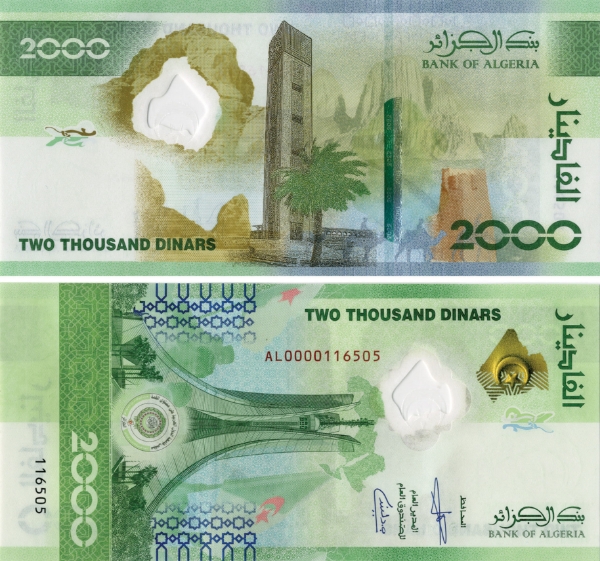
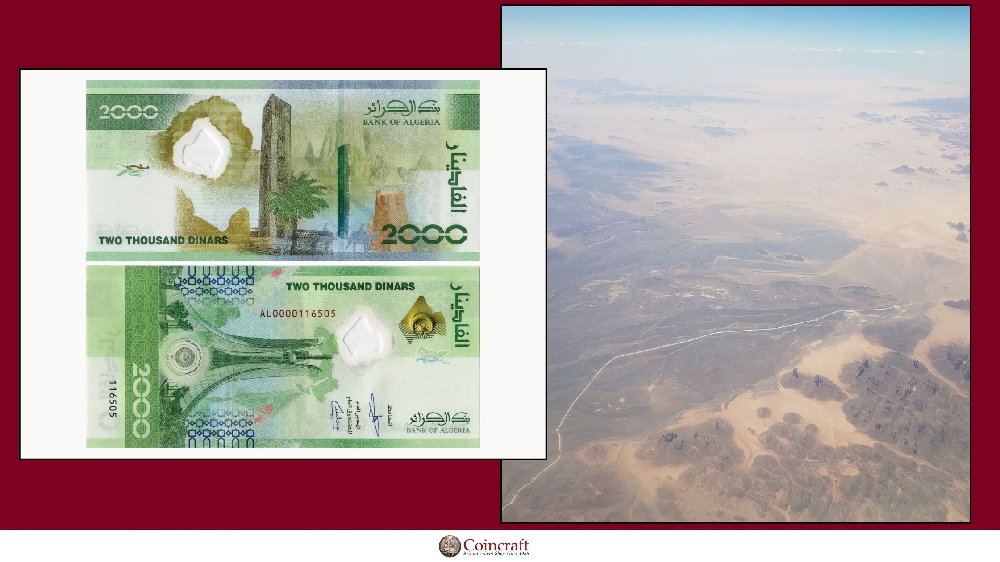
Picture Source of Tassili N'Ajjer National Park: Wikipedia
Tassili N'Ajjer National Park: The Sahara’s Greatest Storyteller
Welcome to Tassili N'Ajjer National Park in southeast Algeria—a place that feels less like a park and more like an open-air library of human history.
If you’ve ever wanted to time travel, this is about as close as you can get without a DeLorean. Covering a staggering 72,000 square kilometers (that’s bigger than Ireland!), Tassili N'Ajjer is a UNESCO World Heritage site that protects one of the most important groupings of prehistoric cave art in the world¹. But it’s not just about the art; it’s about the sheer, alien beauty of the landscape—a "forest of stone" that rises from the sands like a dream.
Key Takeaways
A Window into the Past: The park is home to over 15,000 prehistoric rock paintings and engravings dating back to 6,000 BC, depicting a time when the desert was a savannah².
Geological Marvel: Known as a "forest of stone," the park features eroded sandstone formations, arches, and canyons that create a lunar-like landscape³.
Living Culture: The area is the heartland of the Tuareg people, whose traditions and knowledge of the desert are integral to the visitor experience⁴.
Biodiversity Hotspot: Despite the aridity, the plateau supports rare flora like the endangered Saharan Cypress and fauna like the Barbary sheep⁵.
Dual Heritage: It is one of the few UNESCO sites recognized for both its natural and cultural significance⁶.
The "Life Story" of a Landscape
If Tassili N'Ajjer were a person, it would be an ancient sage who has seen it all. Its name translates to "Plateau of Rivers," a poetic reminder of its younger years when water flowed freely here⁷.
The Green Sahara Years
Around 10,000 years ago, this scorched landscape was a lush savannah. We know this because the "diary" entries left on the canyon walls tell us so. The famous rock art galleries here don't just show stick figures; they display vibrant scenes of hippos, crocodiles, elephants, and giraffes¹. It’s mind-bending to stand in the middle of a hyper-arid desert and look at a painting of a boat navigating a river!
The art is generally divided into periods that track the region's drying climate:
The Round Head Period: Mysterious, floating figures that look almost extraterrestrial (some ancient astronaut theorists love this part, but archaeologists suggest they represent spiritual rituals)⁸.
The Cattle Period: Pastoral scenes showing herds of cows, indicating a settled life of plenty⁹.
The Horse and Camel Periods: As the water dried up, the art shifted to depict horses and eventually camels, marking the arrival of the desert we know today¹⁰.
The Forest of Stone
Geologically, Tassili is a masterpiece of erosion. Over millions of years, water and wind have sculpted the sandstone into fantastical shapes—towers, natural arches, and deep canyons that look like the ruins of a city built by giants³. Walking through these "stone forests" at sunset, when the rocks glow deep orange and red, is an otherworldly experience.
The Soul of the Tassili: The Tuareg
You cannot talk about Tassili N'Ajjer without talking about the Tuareg, the "Blue Men of the Desert" (named for the indigo dye of their tagelmust turbans that often stains their skin)⁴. They are the guardians of this land.
Visiting Tassili isn't just a hiking trip; it's a cultural immersion. Your guides will likely be local Tuareg experts who navigate this labyrinthine plateau by reading the stars and the sand. The experience of sitting around a campfire at night, drinking the traditional three rounds of tea—the first bitter as life, the second strong as love, the third gentle as death—is as memorable as the rock art itself¹¹.
If you are lucky enough to visit Djanet (the gateway city) during the Sebeiba Festival, you’ll witness a vibrant display of Tuareg identity, where thousands gather for ritual dances and music that date back centuries¹².
Nature’s Resilience
While the hippos are long gone, life still clings to the plateau. The deep canyons trap moisture, creating microclimates that support the Saharan Cypress (Tarout), one of the oldest and most endangered trees in the world⁵. These ancient giants are living fossils, survivors from a wetter age. You might also spot the elusive Barbary sheep or see distinct bird species that make the park an Important Bird Area (IBA)⁵.
FAQs
Q: Can I visit Tassili N'Ajjer on my own? A: No. To enter the National Park, you are legally required to be accompanied by an official guide. This is for your safety (it’s easy to get lost in the rock forests) and to protect the fragile rock art. You typically arrange this through tour agencies in the nearby town of Djanet¹³.
Q: When is the best time to visit? A: The best time is between October and April. The summer months (June to August) are blisteringly hot, while winter nights on the plateau can actually get quite cold, so pack layers!¹⁴.
Q: Is it difficult to get there? A: It requires some planning. You typically fly into Djanet (DJG) from Algiers. From Djanet, the plateau is accessible only on foot or by donkey for the main rock art sites, though 4x4 tours explore the lower canyons and dunes. Hiking to the top of the plateau is a steep climb but worth every step¹⁵.
References
UNESCO World Heritage Centre (n.d.). Tassili n'Ajjer. [online] Available at: https://whc.unesco.org/en/list/179/ [Accessed 6 Feb. 2026].
British Museum (n.d.). Algeria - African Rock Art. [online] Available at: https://africanrockart.britishmuseum.org/country/algeria/ [Accessed 6 Feb. 2026].
Kumakonda (2025). The Tassili N'Ajjer: Landscapes and Rock Art in the Sahara. [online] Available at: https://kumakonda.com/tassili-najjer-sahara/ [Accessed 6 Feb. 2026].
Wild Images (n.d.). Tuaregs of the Algerian Sahara. [online] Available at: https://www.wildimages-phototours.com/photography-tours/algerian-sahara-tuareg-expedition/ [Accessed 6 Feb. 2026].
UNEP-WCMC (2011). Tassili N'Ajjer National Park - World Heritage Datasheet. [online] Available at: http://world-heritage-datasheets.unep-wcmc.org/datasheet/output/site/tassili-najjer-national-park [Accessed 6 Feb. 2026].
UNESCO (n.d.). Tassili n'Ajjer (UNESCO/NHK Video). [online] Available at: https://whc.unesco.org/en/documents/104109 [Accessed 6 Feb. 2026].
Bradshaw Foundation (n.d.). Tassili n'Ajjer - Sahara. [online] Available at: https://www.bradshawfoundation.com/africa/algeria/tassili_n_ajjer/index.php [Accessed 6 Feb. 2026].
Wikipedia (2025). Tassili n'Ajjer. [online] Available at: https://en.wikipedia.org/wiki/Tassili_n%27Ajjer [Accessed 6 Feb. 2026].
SmartHistory (n.d.). Running Horned Woman, Tassili n'Ajjer, Algeria. [online] Available at: https://smarthistory.org/running-horned-woman-tassili-najjer-algeria/ [Accessed 6 Feb. 2026].
Coulson, D. and Campbell, A. (2017). Rock Art of the Tassili n'Ajjer. Trust for African Rock Art.
Oryx Voyage (2025). Djanet, Jewel of the Sahara. [online] Available at: https://oryxvoyage.com/djanet-algeria-sahara-travel/ [Accessed 6 Feb. 2026].
Terres Touareg (n.d.). The Sebiba (Sebieba) festival: an ancestral Tuareg tradition. [online] Available at: https://www.terres-touareg.com/en/the-sebiba-touareg-festival/ [Accessed 6 Feb. 2026].
Take Your Backpack (2025). Tassili n'Ajjer National Park Guide. [online] Available at: https://www.takeyourbackpack.com/backpacking-in-algeria/visit-tassili-najjer-national-park/ [Accessed 6 Feb. 2026].
Kameli Travel (n.d.). Plateau of Tassili n'Ajjer. [online] Available at: https://kamelitravel.com/en/plateau-of-tassili-najjer/ [Accessed 6 Feb. 2026].
Visit Algeria (2025). Whispers of the Sahara: Unveiling the Magic of Djanet. [online] Available at: https://visitalgeria.org/trip/whispers-of-the-sahara-unveiling-the-magic-of-djanet/ [Accessed 6 Feb. 2026].