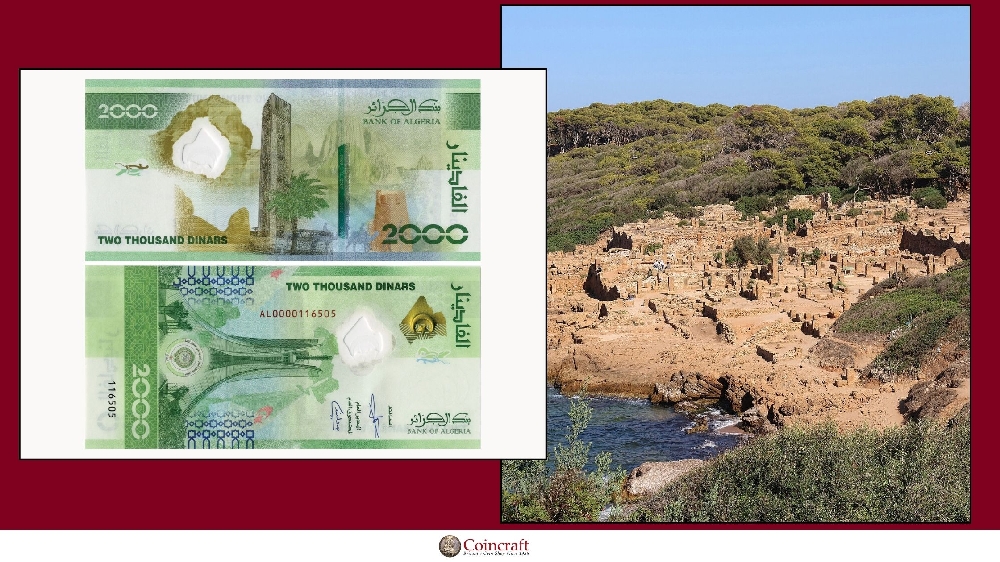
Picture Source of Tipaza: Wikipedia
Where Pine Trees Meet the Mediterranean: A Guide to the Roman Ruins of Tipaza
Step onto a sun-drenched cliff, where the scent of Aleppo pines mixes with the salty Mediterranean breeze. Beneath your feet lie stones that have weathered empires, rebellions, and the slow march of two millennia. Welcome to Tipaza—a place where history isn’t just preserved in glass cases, but is alive, crumbling, and breathtakingly beautiful right by the sea.
If you’re a history buff, a lover of Camus, or just someone looking for one of the most picturesque spots in North Africa, you’re in for a treat. Let’s take a walk through the ancient streets of this Algerian gem.
Key Takeaways
A Cultural Melting Pot: Tipaza is a unique blend of Phoenician, Roman, Palaeochristian, and Byzantine influences, reflecting centuries of North African history.¹
UNESCO World Heritage Status: Designated in 1982, the site is recognized for its extraordinary archaeological significance and its integration with the coastal landscape.²
Christian Heritage: It was a major center of early Christianity, boasting the Grand Basilica—once the largest Christian building in North Africa.³
Literary Fame: The site was immortalized by Nobel Prize-winning author Albert Camus, who wrote about its raw beauty in his essay Noces à Tipasa (Nuptials at Tipasa).⁴
Coastal Setting: Unlike many inland ruins, Tipaza is famous for its "ruins by the sea" aesthetic, offering stunning views where ancient columns frame the deep blue water.
From Punic Trading Post to Roman Glory
Before the Roman legions arrived, Tipaza was already buzzing. Originally founded by the Phoenicians around the 5th century BC, its name likely comes from a word meaning "stopover" or "passage"—fitting for a trading post nestled in a sheltered bay.¹ It wasn’t until the 1st century AD, under the Emperor Claudius, that Tipaza transformed into a full-fledged Roman military colony.
For centuries, it thrived. It was a strategic stronghold and a commercial hub, protected by a long defensive wall against nomadic tribes. Walking through the site today, you can almost hear the clamor of the ancient marketplace and the shouting of merchants selling olive oil and garum (fermented fish sauce).
Walking Through the Ruins
Visiting Tipaza feels less like a museum tour and more like a discovery. The park is overgrown with greenery, meaning you might turn a corner and stumble upon a mosaic floor half-hidden by wildflowers.
The Amphitheater and Theatre
No Roman city was complete without entertainment. The amphitheater is a must-see; it’s where gladiator games and even naval battles (naumachia) would have taken place.² Nearby, the theatre ruins stand as a testament to the city's cultural life, though much of it has been reclaimed by nature. It’s easy to sit on the weathered stone steps and imagine the performances that once captivated thousands of spectators.
The Villa of Frescoes
For a glimpse into the high life, head to the Villa of Frescoes. This wealthy residence, located near the sea, once boasted lavish décor and stunning views. While the frescoes have faded, the layout gives you a vivid picture of how the Roman elite lived—sipping wine with the Mediterranean as their backyard.³
A Beacon of Early Christianity
One of the most fascinating layers of Tipaza’s history is its Christian era. By the 3rd and 4th centuries, the city had become a fervent hub of the new religion.
The site is home to the Grand Basilica, which was a massive structure for its time, featuring seven naves. Walking through its remains, you get a sense of the scale of religious devotion here. There is also the Basilica of St. Salsa, named after a local martyr. Legend has it that Salsa was a young girl stoned to death for throwing a pagan serpent idol into the sea. Her body was miraculously recovered, and the basilica was built in her honor—a story that adds a poignant, human touch to the cold stones.¹
The Spirit of Camus
You can't really talk about Tipaza without mentioning Albert Camus. The French-Algerian writer spent much of his youth here and wrote movingly about the "marriage" between the ruins, the sun, and the sea.
"In the spring, Tipasa is inhabited by gods and the gods speak in the sun and the scent of absinthe leaves..." — Albert Camus⁴
For many visitors, reading his essay Noces while sitting on a fallen column overlooking the water is a rite of passage. It connects the physical history of the Romans with the emotional landscape of modern literature.
Practical Tips for Your Visit
Tipaza is located about 70km west of Algiers, making it a perfect day trip. The entrance fee is incredibly affordable (around 100-120 DZD), and the site is generally open from 9 AM to 5 PM.⁵ Be sure to wear comfortable walking shoes—the terrain is uneven!
Frequently Asked Questions (FAQs)
1. Is Tipaza safe for tourists to visit? Yes, Tipaza is considered one of the safest and most popular tourist destinations in Algeria. The archaeological park is well-guarded and frequented by families and school groups. As with any travel, it's always wise to check current travel advisories and go with a guide if you are unfamiliar with the area.
2. How do I get to Tipaza from Algiers? The easiest way is to hire a private taxi or driver for the day, which takes about an hour depending on traffic. Alternatively, you can take a bus from the Gare Routière Caroubier in Algiers to Tipaza town, which is a cheaper but slower option.
3. What is the best time of year to visit? Spring (March to May) is arguably the best time. The ruins are covered in wildflowers, the weather is mild, and the "scent of absinthe" that Camus wrote about is most fragrant. Summers can be quite hot, though the sea breeze helps.
References
Wikipedia (2025) Tipasa. Available at: https://en.wikipedia.org/wiki/Tipasa (Accessed: 11 February 2026).
UNESCO World Heritage Centre (n.d.) Tipasa. Available at: https://whc.unesco.org/en/list/193/ (Accessed: 11 February 2026).
Lonely Planet (n.d.) Tipasa Archaeological Park. Available at: https://www.lonelyplanet.com/points-of-interest/tipasa-archaeological-park/1071570 (Accessed: 11 February 2026).
Lyon, A. (2015) 'On Albert Camus's "Return to Tipasa"', Antony Lyon Blog, 3 July. Available at: http://www.antonylyon.com/blog/2015/7/3/on-albert-camuss-return-to-tipasa (Accessed: 11 February 2026).
Time Travel Bee (2024) One day trip from Algiers to Tipaza. Available at: https://timetravelbee.com/places/one-day-trip-from-algiers-to-tipaza/ (Accessed: 11 February 2026).