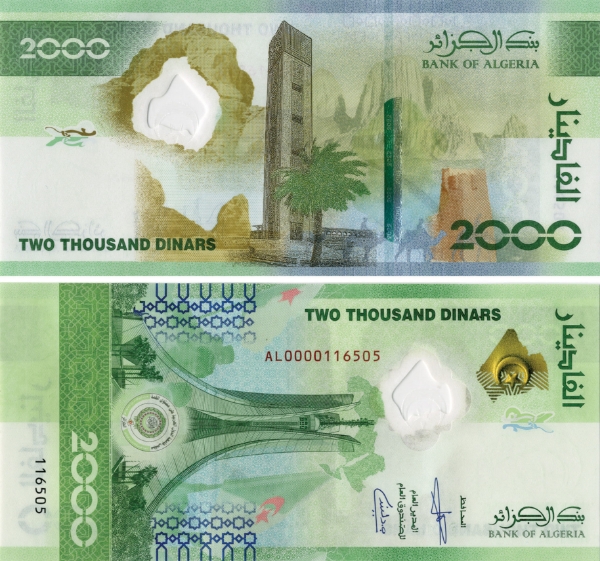
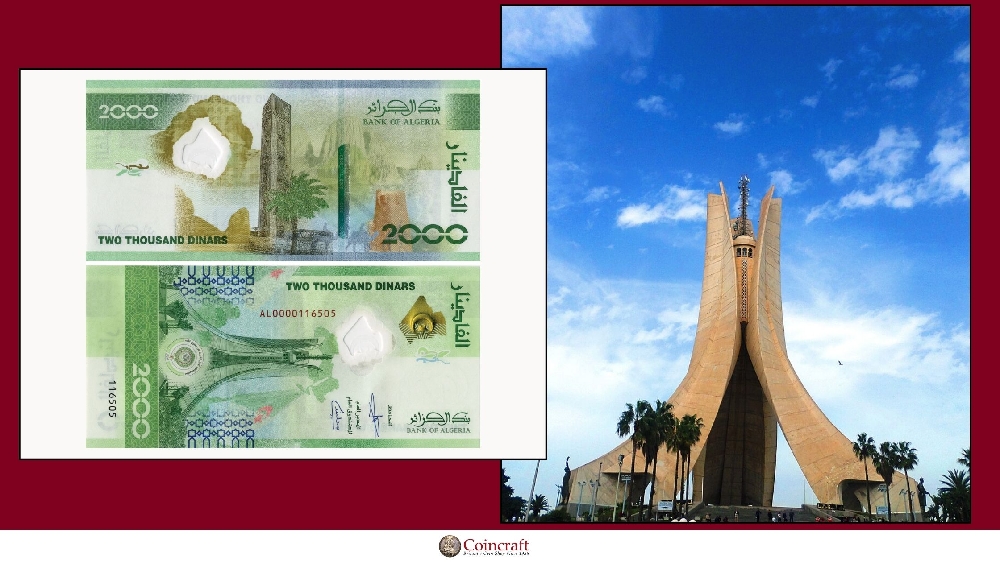
Picture Source of Martyr’s Monument (Maqam Echahid): Wikipedia
Touching the Sky in Algiers: The Story of Maqam Echahid
Imagine standing on a hill, the Mediterranean breeze sweeping up from the bay, cooling the warm Algiers air. Above you, three massive concrete leaves curve inward, meeting at a dizzying height to protect something precious. This isn’t just a monument; it’s the heart of a nation’s memory.
Welcome to Maqam Echahid, or the Martyr’s Monument, the most iconic silhouette on the Algiers skyline. Whether you’re a history buff, an architecture lover, or just someone looking for the best view in the city, this towering structure has a story that will pull you in. It’s more than just concrete and steel—it’s a handshake between the past and the future, built to ensure the sacrifices of millions are never forgotten.
Key Takeaways
A Symbol of Unity: The monument is formed by three massive palm-like leaves that join together to protect an Eternal Flame, representing the unity of the agricultural, industrial, and cultural revolutions.
An Engineering Marvel: Standing 92 meters tall, it was built in just nine months by a Canadian firm to withstand earthquakes and high winds.
More Than a Statue: The complex rests above the National Museum of El Mujahid, an underground treasure trove of Algerian history.
Panoramic Views: Located on a hill in the El Madania neighborhood, it offers one of the most breathtaking 360-degree views of the Bay of Algiers.
A Birthday Gift to the Nation
The story of Maqam Echahid begins in the early 1980s. Algeria was approaching a massive milestone: the 20th anniversary of its independence from France. The war for independence (1954–1962) had been brutal, claiming the lives of 1.5 million Algerians—often referred to as the "million and a half martyrs." To honor this immense sacrifice, President Chadli Bendjedid wanted something monumental.
He didn't want a typical statue. He wanted a landmark that would define the skyline for centuries. The project was launched with an incredibly tight deadline: it had to be ready for the independence celebrations on July 5, 1982¹.
The Dream Team: Art Meets Engineering
To bring this vision to life, Algeria turned to a fascinating mix of talent. The artistic concept came from the renowned Algerian painter Bachir Yellès, who envisioned a structure rooted in the land's identity. He teamed up with the Polish sculptor Marian Konieczny to design the bronze figures that would guard the base.
But drawing a 92-meter-tall concrete flower is one thing; building it is another. The engineering challenge was handed to the Canadian company Lavalin (now SNC-Lavalin). Their task? Build a massive concrete structure on a windy hill in a seismic zone, and do it in less than a year. It was a race against the clock, working day and night to pour the concrete that would eventually form the three stylized palm fronds².
Why Palm Leaves?
When you look at Maqam Echahid, you aren't looking at pillars or columns. You are looking at three stylized palm leaves.
In Algerian culture, the palm tree is a symbol of resilience and life springing from the desert. The three leaves join at the top, not just for structural support, but to symbolize unity. Under this protective dome lies the Eternal Flame, a fire that never goes out, representing the undying spirit of the martyrs³.
There are two popular interpretations of what the three leaves specifically represent:
The Three Revolutions: The Agrarian, Industrial, and Cultural revolutions that modernized Algeria.
The Pillars of Struggle: The political, military, and social unity required to win independence.
Regardless of how you read it, the message is clear: we stand together.
The Guardians at the Base
If you walk around the base of the monument (and you should, the plaza is huge!), you’ll notice three massive bronze statues. These aren't random soldiers; they tell a chronological story of resistance⁴:
The Popular Resistance: A warrior looking fierce, representing the early resistance against colonization.
The ALN Soldier: A soldier from the National Liberation Army (1954–1962), the force that fought the war of independence.
The ANP Soldier: A member of the modern People's National Army, looking toward the future of defending the nation.
Beneath the Surface: The Museum
Here is a pro tip for your visit: don't just look up. Some of the most important parts of the Maqam Echahid complex are actually underground.
Directly beneath the monument lies the National Museum of El Mujahid. It is widely considered one of the best museums in the country. As you descend into the cool, quiet halls, you are taken on a journey through the war of independence. It houses weapons, documents, personal items of famous resistance leaders, and powerful photographs that bring the history books to life. It’s a somber, emotional contrast to the sunny, airy plaza above⁵.
The Experience Today
Today, Maqam Echahid is more than a memorial; it’s a living part of Algiers. On any given afternoon, you’ll find families walking in the plaza, kids chasing pigeons, and couples watching the sunset.
The location in the El Madania neighborhood (specifically on the Hamma heights) means you have a bird's-eye view of the Jardin d'Essai du Hamma (the botanical gardens) below, and the glittering Mediterranean stretching out to the horizon. It is, without a doubt, the best selfie spot in the city.
Frequently Asked Questions (FAQs)
Q: Can you go to the top of the monument? A: Generally, no. While there is a turret and observation area near the top, it is typically closed to the general public. However, the views from the plaza at the base are high enough to see the entire city.
Q: Is there an entrance fee? A: Access to the monument's outdoor plaza is completely free and open 24/7. However, there is a small, nominal fee to enter the National Museum of El Mujahid located underground.
Q: When is the best time to visit? A: Late afternoon is magical. You get to see the white city of Algiers under the golden sun, and if you stay until dusk, you can watch the monument light up. It is often illuminated in turquoise or green, making it visible from miles away.
References
Wikipedia (2025) 'Maqam Echahid', Wikipedia, The Free Encyclopedia. Available at: https://en.wikipedia.org/wiki/Maqam_Echahid (Accessed: 3 February 2026).
Boukhenoune, M. and Bessais, T. (2021) 'Maqam Echahid: The Symbol of Martyr's Memorial For The Algerian People', Journal of Human Sciences, 8(1), pp. 1416-1417. Available at: https://asjp.cerist.dz/en/downArticle/93/8/1/151741 (Accessed: 3 February 2026).
Lonely Planet (2025) 'Makam Echahid', Lonely Planet Attractions. Available at: https://www.lonelyplanet.com/algeria/algiers/attractions/makam-echahid (Accessed: 3 February 2026).
Aridj, M. (2025) 'Houbel - Martyrs' Memorial - Algiers', Mahdi Aridj Photography. Available at: https://www.mahdiaridjphotography.com/en/houbel-martyrs-memorial-algiers/ (Accessed: 3 February 2026).
Things to do in Algiers (2025) 'Martyrs' Memorial (Maqam Echahid)', Algiers Travel Guide. Available at: https://thingstodoinalgiers.com/landmark/martyrs-memorial-maqam-echahid/ (Accessed: 3 February 2026).