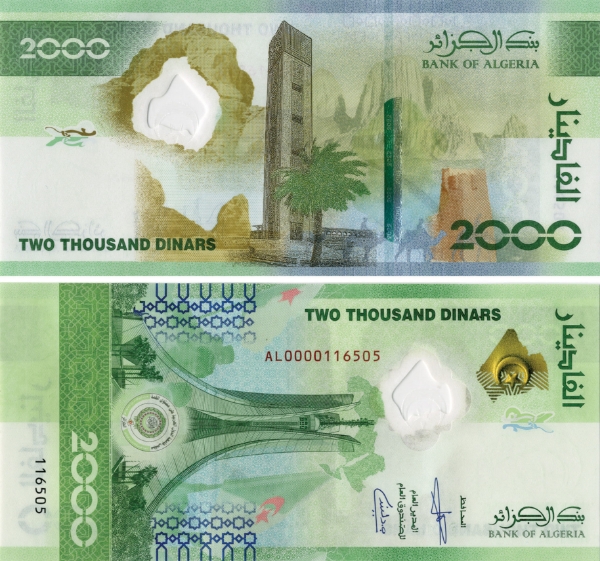
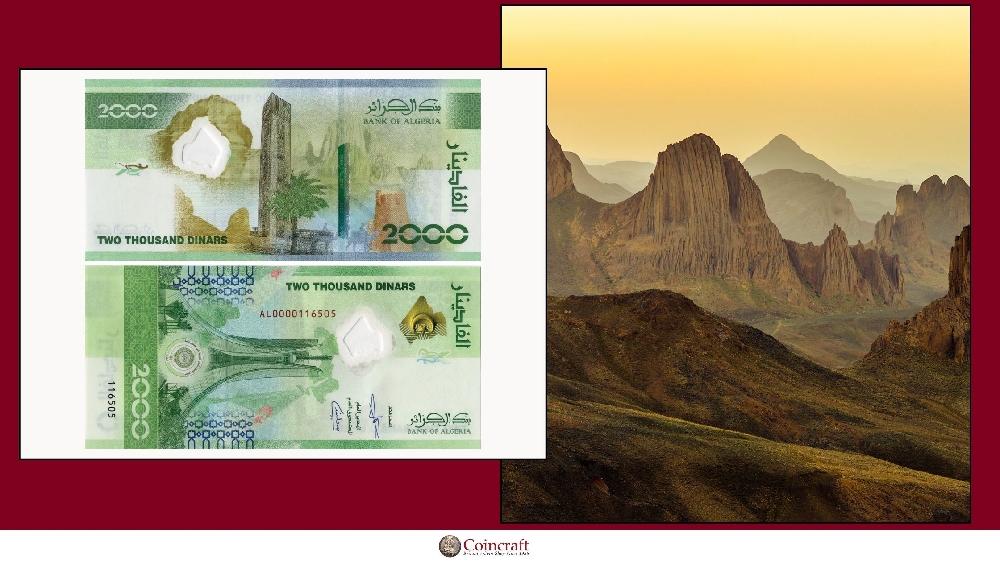
Picture Source of the Hoggar Mountains: Wikipedia
The Hoggar Mountains: The Sahara's Secret Heart
Standing in the middle of the world’s largest hot desert, the Sahara. You might expect endless rolling dunes of golden sand, right? But if you travel deep into southern Algeria, you’ll stumble upon something that looks like it belongs on Mars—the Hoggar Mountains (or Ahaggar). These aren’t just piles of rock; they are ancient, jagged volcanic peaks that rise dramatically from the desert floor, guarding secrets that are billions of years old.
This isn’t a barren wasteland, though. It’s a living, breathing landscape rich with culture, history, and surprising splashes of life. Whether you’re a geology nerd, a history buff, or just someone who loves a good adventure story, the Hoggar region has a way of pulling you in. Let’s take a walk through this "open-air museum" and meet the mountains that have watched over the Sahara for eons.
Key Takeaways
Ancient Origins: The mountains are largely volcanic and sit on metamorphic rock that is approximately 2 billion years old, making them some of the oldest formations on Earth¹.
Cultural Hub: This region is the ancestral home of the Kel Ahaggar Tuareg people, often called the "Blue People" due to their indigo-dyed robes².
Biodiversity Hotspot: Despite the harsh desert surroundings, the mountains host a unique ecosystem with rare cheetahs, gazelles, and relict olive trees³.
Spiritual Heights: The Assekrem Plateau is famous for one of the world's most beautiful sunrises and hosts the hermitage of Charles de Foucauld⁴.
Highest Point: Mount Tahat is the highest peak in Algeria, soaring to 2,908 meters (9,541 ft) above sea level⁵.
A Geological Wonderland
Walking through the Hoggar Mountains feels a bit like time travel. The landscape is dominated by stark, black basalt peaks that shoot straight up into the sky. These aren't your typical triangular mountains; they are eroded volcanic necks and plugs—essentially the hardened innards of ancient volcanoes that refused to crumble away when the softer rock around them eroded¹.
The region covers a massive area, roughly 450,000 square kilometers (about the size of France!), and dates back to the Precambrian era. That means the basement rock here is around 2 billion years old. It’s a place of extremes, where the geography tells a violent, fiery story of the earth’s past.
One of the most striking features is the Atakor Volcanic Field. It’s a chaotic jumble of lava flows and peaks that creates a stark contrast against the blue desert sky. It’s no wonder that early explorers and locals alike felt a spiritual connection to this place—it demands respect.
The People of the Veil: The Tuareg
You can't talk about the Hoggar Mountains without talking about the Tuareg. Specifically, the Kel Ahaggar confederation. For centuries, these semi-nomadic people have called this rugged terrain home. They are famous for their indigo-dyed tagelmusts (veils and turbans), which stain their skin, earning them the nickname "The Blue People"².
The mountains are central to their identity. Legend has it that their matriarch and queen, Tin Hinan, settled here in the 4th century. Her tomb is located in Abalessa, an oasis nearby, and she is revered as the mother of the noble tribes². The Tuareg have mastered life in this arid environment, navigating by the stars and the distinct rock formations of the Hoggar. Their culture is rich with poetry, music, and distinct jewelry making, much of which is celebrated at annual festivals like the Sebiba.
An Oasis of Life
Now, you might think nothing could survive here, but nature is stubborn. Because of their altitude, the Hoggar Mountains are cooler than the surrounding low Sahara. They catch just enough moisture to support a surprising amount of life.
The area is actually classified as a biodiversity hotspot within the desert. You can find relict species here—plants and animals that are leftovers from a time when the Sahara was green and wet thousands of years ago. We’re talking about wild olives, lavender, and myrtle growing in the wadis (dry riverbeds)³.
Animal lovers, keep your eyes peeled (though you’ll need a lot of luck!). The region is home to the elusive Northwest African Cheetah, a critically endangered ghost of the desert. There are also Dorcas gazelles, Barbary sheep (mouflon), and the adorable, big-eared Fennec fox roaming the rocky slopes³.
The Spiritual Summit: Assekrem
If there is one "must-do" experience in the Hoggar, it is visiting the Assekrem Plateau. In the Tuareg language, Assekrem means "The End of the World," and when you stand there, looking out over the endless jagged peaks, you’ll understand why.
This spot is famous for arguably the most beautiful sunrise and sunset on the planet. The light plays off the dark volcanic rock, turning the landscape into a painting of purples, oranges, and deep reds.
It’s also a place of deep peace. In 1911, a French Catholic priest and hermit named Charles de Foucauld built a stone hermitage here⁴. He lived among the Tuareg, studying their language and culture, and seeking solitude in the high desert. Today, a few monks from the Little Brothers of Jesus still live there, maintaining the sanctuary. It’s a powerful reminder of how this landscape inspires reflection and silence.
FAQs
1. Is it safe to visit the Hoggar Mountains? Travel safety can vary based on current geopolitical stability. Generally, tourism in the Algerian south requires a guide and often a security escort. It is crucial to check the latest travel advisories from your government and book with reputable local tour operators who know the region intimately.
2. When is the best time to visit? The best time to visit is between October and March. During these months, the daytime temperatures are pleasant (around 20-25°C), though nights can get freezing cold! Summer (June-August) is dangerously hot and should be avoided.
3. How do I get there? The gateway to the Hoggar Mountains is the city of Tamanrasset. You can fly into Tamanrasset Airport from Algiers. From there, you will need to hire a 4x4 vehicle and a local guide to explore the mountains and the national park.
References
MantlePlumes.org. (n.d.). The Hoggar swell. [online] Available at: https://www.mantleplumes.org/Hoggar.html [Accessed 9 Feb. 2026].
Wikipedia. (2025). Hoggar Mountains. [online] Available at: https://en.wikipedia.org/wiki/Hoggar_Mountains [Accessed 9 Feb. 2026].
Key Biodiversity Areas. (n.d.). Parc National de l'Ahaggar (6184) Algeria, Africa. [online] Available at: https://www.keybiodiversityareas.org/site/factsheet/6184 [Accessed 9 Feb. 2026].
Sahara Overland. (2020). Ahaggar National Park. [online] Available at: https://sahara-overland.com/tag/ahaggar-national-park/ [Accessed 9 Feb. 2026].
Kanaga Africa Tours. (n.d.). Environment - Algeria. [online] Available at: https://www.kanaga-at.com/en/trip-info/algeria-en/environment/ [Accessed 9 Feb. 2026].