.jpg)
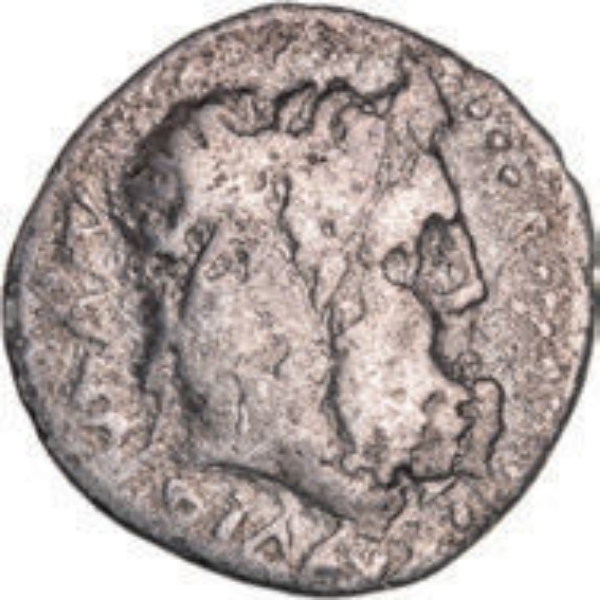
Picture Source of Zeus: Canva
Introduction to Zeus: The King of the Gods
Zeus, the paramount deity in Greek mythology, is revered as the King of the Gods. His dominion over the heavens and earth, as well as his role as the enforcer of justice, has made him a central figure in ancient narratives and religious practices. As the ruler of Mount Olympus, Zeus commands respect and reverence from both mortals and deities alike. His legend is not only a tale of power but also a reflection of the values and beliefs of ancient Greek civilisation.
The significance of Zeus extends beyond his mythological stories; he embodies the ideals of leadership, strength, and justice. His depictions in various forms of art and literature have contributed to an enduring legacy that has transcended time and geography. Zeus's influence can be seen in numerous aspects of culture and society, where his mythos continues to captivate and inspire.
Understanding Zeus's impact requires an exploration of his origins, his role within the pantheon, and his representation in myths. This examination will shed light on how Zeus's legacy has shaped human thought and culture throughout history, continuing to hold relevance in modern times.
The Origins of Zeus in Greek Mythology
Zeus's origins are deeply rooted in Greek mythology, where he is depicted as the youngest son of Cronus and Rhea. According to legend, Cronus, fearing a prophecy that he would be overthrown by one of his children, swallowed each of his offspring at birth. However, Rhea managed to save Zeus by hiding him in a cave on the island of Crete and giving Cronus a stone wrapped in swaddling clothes to swallow instead.
Raised in secret, Zeus grew strong and eventually led a rebellion against his father to free his siblings. This pivotal event, known as the Titanomachy, was a ten-year war between the younger Olympian gods, led by Zeus, and the older Titans, led by Cronus. The victory of Zeus marked the beginning of the Olympian age, solidifying his position as the supreme deity.
The myth of Zeus's rise to power reflects themes of justice, retribution, and the natural order. His triumph over Cronus represents the overthrow of chaos and tyranny, establishing a new era of divine rule. This narrative not only illustrates Zeus's strategic prowess but also his role as a protector and liberator, qualities that would define his reign on Mount Olympus.
The Role of Zeus in the Pantheon of Gods
Zeus occupies a central role within the Greek pantheon, serving as the leader and arbiter among the gods. His authority is unparalleled, and he is often depicted as the enforcer of order and justice, ensuring the stability of both divine and mortal realms. Zeus's position as king entails the responsibility of maintaining harmony and balance among the gods, a task he undertakes with wisdom and fairness.
While his power is formidable, Zeus's interactions with other deities reveal a complex character. He is often portrayed as a mediator in disputes and a dispenser of justice, balancing the needs and desires of various gods with the overarching principles of order. His decisions reflect the values of ancient Greek society, where justice and equilibrium are paramount.
Moreover, Zeus's relationships with other gods and goddesses highlight his multifaceted nature. He is not only a ruler but also a father, brother, and husband, navigating the intricacies of divine family dynamics. These interactions add depth to his character, illustrating the challenges of leadership and the importance of diplomacy in maintaining unity within the pantheon.
Zeus's Symbolism and Attributes
Zeus is synonymous with power and authority, symbolised by his iconic attributes such as the thunderbolt, eagle, and oak tree. The thunderbolt, his most potent weapon, represents his ability to command the skies and wield formidable force. This symbol of divine power and control over natural elements underscores his status as the supreme ruler of gods and men.
The eagle, often depicted alongside Zeus, embodies strength, courage, and far-reaching vision. As the king of birds, the eagle serves as a fitting emblem for Zeus, reinforcing his sovereignty and dominance over the heavens. This association further cements his role as a guardian and enforcer of divine law, watching over both gods and mortals with vigilance.
The oak tree, sacred to Zeus, symbolises endurance and stability. In ancient times, oaks were revered for their might and longevity, qualities attributed to Zeus's reign. This connection to nature highlights the deity's role in maintaining the order of the cosmos and the balance of life. Together, these symbols encapsulate the essence of Zeus, reflecting his multifaceted nature as a god of power, wisdom, and justice.
Major Myths and Legends Involving Zeus
Zeus's mythology is rich with tales of heroism, passion, and intrigue. Among the most celebrated is the story of his involvement in the Trojan War, where his decisions and interventions shape the course of events. Despite his impartial stance, Zeus's influence is pivotal, illustrating his role as a divine arbiter in the affairs of mortals.
Another renowned myth is the tale of Prometheus, the Titan who defied Zeus by stealing fire for humanity. In retribution, Zeus condemned Prometheus to eternal punishment, highlighting the deity's strict enforcement of divine order. This myth explores themes of rebellion and the consequences of defying authority, underscoring Zeus's commitment to maintaining cosmic balance.
Zeus's numerous romantic escapades also form a significant part of his legend. His liaisons with both goddesses and mortal women resulted in the birth of many notable figures, including Hercules and Perseus. These stories reflect the complexity of Zeus's character, showcasing his capacity for love and desire, as well as the intricate dynamics of divine relationships.
The Influence of Zeus on Ancient Greek Culture
In ancient Greek culture, Zeus was not only a deity but also an integral part of daily life and societal values. His worship was widespread, with numerous temples and sanctuaries dedicated to his honour. The most famous of these is the Temple of Zeus at Olympia, which housed a colossal statue of the god, regarded as one of the Seven Wonders of the Ancient World.
Zeus's influence extended beyond religious practices to the social and political realms. As the god of justice, he was invoked in legal matters and oaths, symbolising the principles of fairness and integrity. His presence in civic life reinforced the importance of honour, loyalty, and the rule of law in Greek society.
Festivals held in Zeus's honour, such as the Olympic Games, further demonstrate his cultural significance. These events celebrated athletic prowess, unity, and the spirit of competition, reflecting the values that Zeus embodied. Through these practices, the legacy of Zeus was woven into the fabric of daily life, shaping the identity and ethos of ancient Greece.
Zeus in Art and Literature
Zeus's depiction in art and literature has profoundly influenced Western cultural heritage. In sculpture, he is often portrayed as a majestic figure, exuding power and authority. The Statue of Zeus at Olympia, crafted by the renowned sculptor Phidias, exemplifies this grandeur, capturing the deity's imposing presence and divine majesty.
In literature, Zeus is a central figure in epic narratives such as Homer's "Iliad" and "Odyssey." These works explore his role in human affairs, highlighting his influence over fate and destiny. Through these stories, writers conveyed moral lessons and philosophical reflections, using Zeus as a symbol of divine justice and order.
The portrayal of Zeus in art and literature extends to modern interpretations, where his mythology is reimagined and reinterpreted. From classical paintings to contemporary films, Zeus continues to inspire artists and storytellers, ensuring that his legacy endures in cultural expressions across time.
The Legacy of Zeus in Modern Society
The legacy of Zeus is evident in various aspects of modern society, where his mythological archetype continues to resonate. He embodies the ideal of leadership and authority, influencing contemporary perceptions of power and governance. His stories offer insights into the complexities of human nature and the pursuit of justice, themes that remain relevant today.
In popular culture, Zeus is a prominent figure in literature, film, and television, where his character is reinterpreted to reflect contemporary values and challenges. These adaptations often explore his role as a mediator and protector, highlighting the enduring appeal of his mythos in addressing modern dilemmas.
Furthermore, the symbolism associated with Zeus, such as the thunderbolt and eagle, persists in modern iconography, representing strength and freedom. These symbols are used in various contexts, from national emblems to corporate logos, illustrating the lasting impact of Zeus's imagery on cultural and social identity.
Comparing Zeus to Other Mythological Deities
Zeus's stature as the King of the Gods invites comparisons with other mythological figures of similar prominence. In Roman mythology, Jupiter mirrors Zeus's attributes and functions, serving as the chief deity of the Roman pantheon. Both gods share symbols such as the eagle and thunderbolt, reflecting their shared heritage and cultural exchange between Greek and Roman civilisations.
In contrast, Norse mythology presents Odin as a multifaceted god of wisdom, war, and poetry. While Odin shares Zeus's leadership qualities, his character embodies a more introspective and mysterious nature. The differences in their portrayals highlight the unique cultural values and beliefs of the societies that worshipped them.
Similarly, in Hindu mythology, Indra is a deity of storms and warfare, bearing similarities to Zeus in his association with thunder and leadership. However, Indra's role is more specialised, reflecting the diverse and complex pantheon of Hindu deities. These comparisons underscore the universal themes of power and authority in mythology, while also illustrating the distinct cultural contexts that shape each deity's character.
The Enduring Legacy of Zeus
The legacy of Zeus is a testament to the enduring power of mythology in shaping human understanding and cultural identity. His role as the King of the Gods reflects a timeless narrative of leadership, justice, and balance, resonating across generations and societies. Through stories of heroism, love, and divine intervention, Zeus has left an indelible mark on art, literature, and popular culture.
As a symbol of authority and wisdom, Zeus continues to inspire and captivate, offering insights into the complexities of power and the human condition. His influence extends beyond ancient Greece, permeating modern thought and expression, where his archetype remains relevant in addressing contemporary challenges and aspirations.
To explore more about the fascinating world of mythology and its impact on culture, consider delving into other mythological tales and their modern interpretations. Understanding these narratives can enrich your perspective on human history and the timeless truths that myths convey. Engage with this rich tapestry of stories and discover the enduring legacy of figures like Zeus that continue to shape our world.