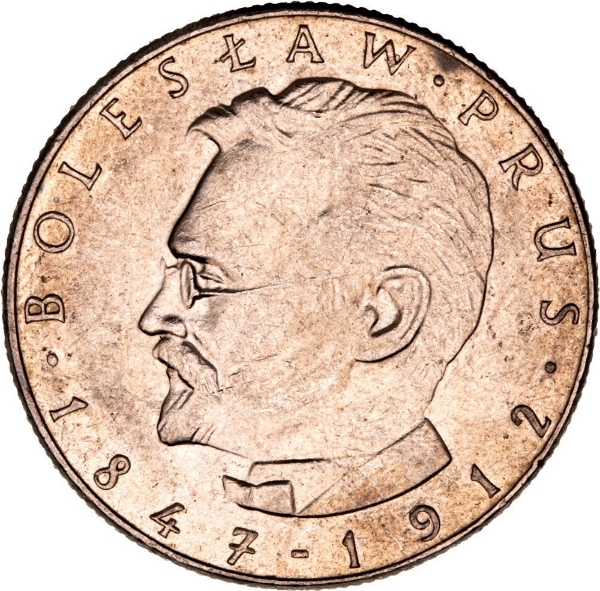
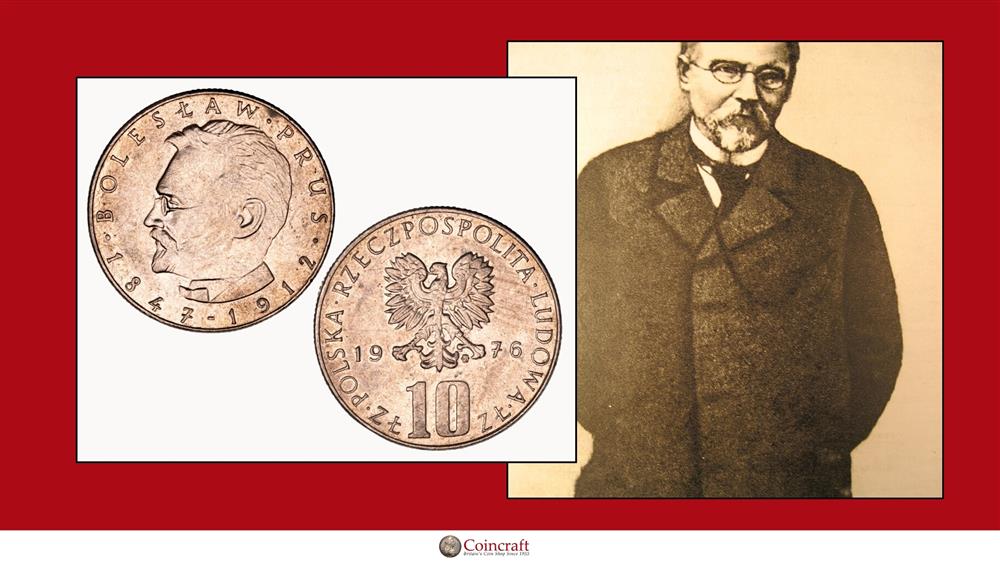
Picture Source of Alexander Glovacki aka Boleslaw Prus - Wikipedia
Who Was Boleslaw Prus? A Brief Introduction
Boleslaw Prus, born as Aleksander Głowacki in 1847, stands as a monumental figure in Polish literature. His life spanned a transformative period in Polish history, witnessing the decline of the Polish-Lithuanian Commonwealth and the subsequent partitions that fragmented the nation into territories controlled by neighboring empires. Prus's literary career blossomed during the latter half of the 19th century, a time marked by significant social, political, and economic changes in Europe.
As a prominent member of the naturalist movement, Prus brought a unique perspective to his narrative style, often infusing his works with a blend of realism and the philosophical underpinnings of positivism. His writings delve deeply into the intricacies of human nature, society, and the pursuit of progress. He is best known for his ability to vividly portray the everyday lives of his characters, making his works relatable even to contemporary readers.
Prus's contributions to literature extend beyond his novels; he was also an influential journalist and social commentator. His essays often critiqued contemporary issues, urging his readers to reflect on the moral and ethical dimensions of modern society. This multi-faceted approach to writing has solidified Prus's reputation as one of Poland's literary giants.
The Historical Context of Prus's Literary Career
The literary career of Boleslaw Prus unfolded against the backdrop of a tumultuous historical landscape. The partitions of Poland in the late 18th century led to the erasure of the Polish state, resulting in a cultural and national identity crisis. The 19th century, however, saw the rise of nationalism and a resurgence of Polish literature, which was instrumental in preserving the nation's cultural heritage.
Prus's works emerged during the time of the January Uprising of 1863, a failed insurrection against Russian rule. The aftermath of this rebellion left a profound impact on the Polish psyche, and Prus's writings often reflect the struggles of the Polish people to reclaim their identity and autonomy. His novels frequently explore themes of social injustice, the plight of the working class, and the quest for individual freedom.
Additionally, the growing influence of industrialisation and urbanisation in Europe profoundly shaped Prus's literary themes. As cities expanded and new social classes emerged, Prus captured the essence of this changing society in his narratives. He often portrayed the tension between tradition and modernity, a conflict that resonates in the lives of his characters and the broader Polish society of the time.
Exploring Prus's Most Celebrated Novels
Boleslaw Prus is perhaps best known for his two most celebrated novels: "The Pharaoh" and "Emancipated Women". These works illustrate his mastery of narrative and character development, along with his keen observation of social dynamics.
The Pharaoh: Set in ancient Egypt, this historical novel delves into the complexities of power, ambition, and the philosophical dilemmas faced by rulers. Prus expertly weaves historical facts with fiction, creating a narrative that examines the nature of authority and the moral responsibilities of those who wield it. The protagonist, Ramses XIII, embodies the internal conflict between personal desire and the expectations of leadership, making him a timeless character whose struggles resonate with modern readers.
Emancipated Women: This novel addresses the theme of women's rights and societal expectations in 19th-century Poland. Prus's portrayal of the female protagonist, who seeks independence and self-fulfillment, reflects the emerging feminist sentiments of the time. Through her journey, Prus critiques the limitations imposed on women, advocating for their emancipation and recognition as equal members of society.
Both novels encapsulate Prus's ability to engage with pressing social issues while crafting compelling stories that captivate readers. His narratives encourage introspection and challenge societal norms, making them enduring classics in Polish literature.
Prus's Short Stories: A Window into 19th-Century Polish Society
In addition to his novels, Boleslaw Prus was a prolific writer of short stories, which served as a platform for exploring various aspects of 19th-century Polish society. These narratives often reflect the everyday experiences of ordinary individuals, allowing readers to gain insight into the cultural and social fabric of the time.
Prus's short stories are characterised by their rich detail and keen observations. He often employed a slice-of-life approach, capturing moments of joy, sorrow, and the mundane realities of existence. This technique not only engages readers but also creates a sense of empathy for the characters portrayed, highlighting the shared struggles of humanity.
Some notable short stories, such as "The Cursed" and "The Post Office", delve into themes of social disparity, poverty, and the human condition. Through these narratives, Prus elucidates the complexities of life in a rapidly changing society, offering poignant reflections on the nature of existence. His ability to convey profound truths in a brief format showcases his literary prowess and further cements his legacy as a significant figure in Polish literature.
The Pharaoh and the Priest: Prus's Magnum Opus
"The Pharaoh" is often regarded as Boleslaw Prus's magnum opus, a work that transcends mere storytelling to engage with profound philosophical questions. Set against the backdrop of ancient Egypt, the novel explores the intricate relationships between power, faith, and morality. Through the character of the Pharaoh, Prus navigates the complexities of leadership, illustrating the burdens that come with authority.
Thematically, "The Pharaoh" delves into the struggle between the spiritual and the material. The priesthood, representing religious authority, often clashes with the secular power of the Pharaoh. This tension serves as a metaphor for the broader conflicts within society, such as tradition versus progress and the individual's quest for meaning in a world governed by external forces.
Prus's narrative style in "The Pharaoh" is notable for its philosophical depth and historical richness. He meticulously crafts the setting, immersing readers in the sights and sounds of ancient Egypt while prompting them to ponder the timeless questions of existence. The novel's exploration of human ambition and the moral implications of power remains relevant, making it a powerful commentary on the nature of authority.
Boleslaw Prus's Writing Style and Literary Techniques
Boleslaw Prus's writing style is distinguished by its clarity, precision, and a deep understanding of human psychology. He employs a range of literary techniques that enhance the richness of his narratives and engage readers on multiple levels.
Realism and Naturalism: Prus's works are often categorized within the realms of realism and naturalism. He meticulously observed the world around him, capturing the intricacies of everyday life. His characters are multi-dimensional, reflecting the complexities of human nature and the societal forces that shape individual destinies. This commitment to authenticity allows readers to connect with the characters on a personal level.
Symbolism and Metaphor: Prus often employed symbolism to convey deeper meanings within his narratives. Objects, settings, and character actions frequently carry symbolic weight, enriching the reading experience. For instance, in "The Pharaoh", the contrast between the opulence of the throne and the suffering of the common people serves as a poignant metaphor for the disparities in society.
Psychological Insight: Prus’s keen psychological insight into his characters allows for a nuanced exploration of their motivations and conflicts. He navigates the inner lives of his protagonists, revealing their fears, desires, and dilemmas. This psychological depth transforms his characters from mere figures in a story into relatable individuals grappling with the same existential questions faced by readers.
Prus's ability to intertwine these techniques results in narratives that are both thought-provoking and emotionally resonant. His works continue to inspire writers and readers alike, underscoring his significance in the literary canon.
Themes and Motifs in Prus's Works
The works of Boleslaw Prus are imbued with a range of themes and motifs that reflect the complexities of human existence and societal issues. These themes often resonate with readers, transcending time and cultural boundaries.
Social Injustice: A recurring theme in Prus's literature is the exploration of social injustice and the plight of the marginalized. He keenly observed the disparities between social classes, highlighting the struggles faced by the poor and disenfranchised. In "Emancipated Women", for instance, Prus critiques the societal constraints imposed on women, advocating for their rights and autonomy.
The Search for Identity: Many of Prus's characters grapple with questions of identity and purpose. This theme is particularly prevalent in the context of Poland's national identity crisis during the partitions. Characters often find themselves torn between tradition and modernity, seeking to define their place in a rapidly changing world.
Philosophical Inquiry: Prus was deeply influenced by philosophical thought, and this is evident in his writings. His works often engage with existential questions about the meaning of life, the nature of happiness, and the moral responsibilities of individuals. This philosophical inquiry invites readers to reflect on their own beliefs and values, fostering a deeper understanding of themselves.
The interplay of these themes enriches Prus's narratives, making them not only relevant to his time but also enduringly significant in contemporary discourse.
Prus's Influence on Polish Literature and Beyond
Boleslaw Prus's influence on Polish literature is profound and far-reaching. His innovative narrative techniques and thematic explorations paved the way for subsequent generations of writers. Prus's emphasis on realism and psychological depth inspired notable Polish authors such as Stefan Żeromski and Władysław Reymont, who sought to address social issues through their own works.
Moreover, Prus's commitment to social commentary positioned him as a pivotal figure in the development of Polish literature. He was among the first authors to confront the pressing social issues of his time, urging readers to reflect on the moral implications of their actions. This legacy continues to resonate with writers who seek to address contemporary challenges through their storytelling.
Beyond Polish literature, Prus's works have found a global audience. His exploration of universal themes such as the human condition, social justice, and the quest for identity resonates with readers across cultures. Translations of his novels and stories have introduced his insights to diverse audiences, allowing for cross-cultural dialogues that enrich the understanding of literature's role in society.
Critical Reception and Literary Analysis of Prus's Oeuvre
The critical reception of Boleslaw Prus’s oeuvre has evolved over the years, with contemporary scholars recognising the depth and significance of his contributions to literature. Initially, his works were often overshadowed by the more prominent figures of Polish literature, such as Adam Mickiewicz and Henryk Sienkiewicz. However, as literary criticism matured, Prus’s unique voice and innovative narrative techniques garnered increased attention.
Literary analysts have praised Prus for his ability to blend historical context with philosophical inquiry. His works are often examined for their rich symbolism, intricate character development, and social commentary. Scholars have explored the ways in which Prus’s narratives reflect the complexities of human nature, the impact of societal structures, and the moral dilemmas faced by individuals.
Furthermore, Prus's engagement with existential questions has positioned him as a precursor to modernist writers. His exploration of identity, purpose, and the human experience resonates with existentialist thought, making his works relevant to contemporary literary discourse. As such, Prus's oeuvre is now recognised as a cornerstone of Polish literature, deserving of study and appreciation.
The Enduring Relevance of Boleslaw Prus in Modern Times
The literary legacy of Boleslaw Prus remains remarkably relevant in today's world. His exploration of social issues, human psychology, and the quest for identity resonates with contemporary readers grappling with similar challenges. As societies continue to confront issues of inequality, gender rights, and existential questions, Prus's insights offer valuable perspectives for reflection.
Prus's works also serve as a reminder of the importance of literature as a tool for social change. His willingness to critique societal norms and advocate for justice has inspired a new generation of writers and activists who seek to use their voices to effect positive change. In an era where literature can influence public discourse, Prus's commitment to social commentary remains a guiding principle.
Moreover, the themes of resilience and human connection evident in Prus's narratives continue to inspire readers to find common ground in their shared experiences. As individuals navigate the complexities of modern life, Prus's exploration of the human condition serves as a reminder of the enduring power of empathy and understanding.
Boleslaw Prus's literary legacy is a testament to the transformative power of storytelling. His works not only capture the essence of 19th-century Polish society but also engage with timeless questions that resonate across generations. As readers continue to discover and appreciate his contributions, the journey through Prus's literary landscape remains an enriching experience.