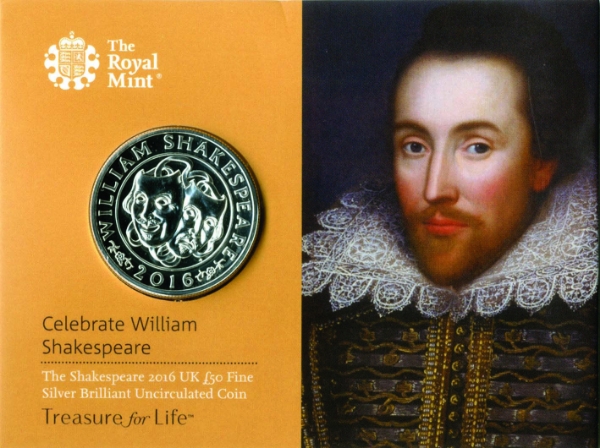
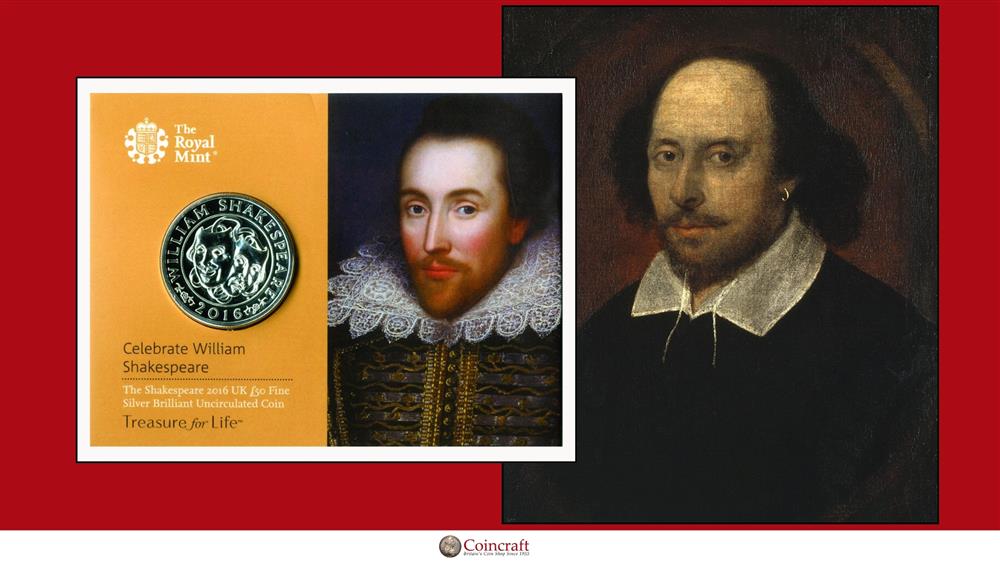
Picture Source of William Shakespeare: Wikipedia
Introduction to William Shakespeare's Influence
William Shakespeare, often hailed as the greatest playwright in the English language, has left an indelible mark on literature that transcends time and continues to inspire countless generations. His works, written in the late 16th and early 17th centuries, are not only celebrated for their artistic merit but also for their profound understanding of human nature. Shakespeare's influence extends beyond the confines of the stage and the page, permeating various aspects of modern storytelling, language, and culture.
The Bard's unparalleled ability to capture the complexities of the human experience has ensured his continued relevance. From themes of love and ambition to betrayal and redemption, Shakespeare's plays and sonnets explore a wide range of emotions and situations that remain relatable to this day. His works have been translated into numerous languages, making them accessible to audiences worldwide and ensuring his legacy endures.
In the modern era, Shakespeare's influence is particularly evident in the ways his works have been adapted and reimagined across different media. From stage productions to films, and even in the realm of education, his impact is undeniable. This article delves into the various facets of Shakespeare's lasting influence on modern literature and beyond.
The Legacy of Shakespeare's Works
Shakespeare's legacy is a testament to the enduring power of his storytelling. His plays, written over four centuries ago, continue to be performed on stages around the world, captivating audiences with their timeless narratives and complex characters. This enduring popularity is a reflection of Shakespeare's ability to weave intricate plots that resonate with people across different cultures and eras.
One of the key aspects of Shakespeare's legacy is his contribution to the development of the English language. He introduced an estimated 1,700 words to the English lexicon, many of which are still in use today. Phrases like "break the ice," "heart of gold," and "wild-goose chase" are just a few examples of expressions coined by Shakespeare that have become commonplace in everyday conversation.
In addition to his linguistic contributions, Shakespeare's works have had a profound impact on the structure and style of modern storytelling. His use of dramatic tension, complex characterisation, and intricate plot development set a precedent for future playwrights and authors. The enduring appeal of his works is a testament to their universal themes and the depth of insight he brought to his exploration of the human condition.
Key Themes in Shakespeare’s Literature
Shakespeare's plays and sonnets are known for their exploration of universal themes that continue to resonate with audiences today. One of the most prevalent themes in his work is the complexity of human relationships. Whether exploring romantic love, familial bonds, or friendships, Shakespeare delves into the intricacies of human connections with unparalleled depth and nuance.
Another prominent theme in Shakespeare's work is the struggle for power and ambition. Plays like "Macbeth" and "Julius Caesar" examine the consequences of unchecked ambition and the moral dilemmas faced by those in pursuit of power. These themes remain relevant in contemporary society, where the pursuit of power and the ethical challenges it presents are still prevalent.
The exploration of identity and self-discovery is also a recurring theme in Shakespeare's work. Characters in plays such as "Hamlet" and "King Lear" grapple with questions of identity, purpose, and the human condition. This exploration of self continues to resonate with modern audiences, as individuals navigate their own journeys of self-discovery in an ever-changing world.
Shakespeare’s Impact on Modern Storytelling
Shakespeare's influence on modern storytelling is evident in the ways his narrative techniques have been adopted and adapted by contemporary authors and playwrights. His use of dramatic irony, complex characterisation, and intricate plots set a standard for storytelling that continues to inspire writers across genres.
One of the most significant ways Shakespeare has impacted modern storytelling is through the structure of his plays. The five-act structure, popularised by Shakespeare, has been adopted by countless playwrights and screenwriters as a framework for developing narratives. This structure allows for the careful development of plot and character, creating a sense of tension and resolution that is central to compelling storytelling.
Shakespeare's influence is also seen in the way modern writers approach character development. His ability to create multi-dimensional characters with complex motivations and inner conflicts has inspired authors to explore the depths of human psychology in their own work. This focus on character-driven narratives has become a hallmark of modern literature, reflecting Shakespeare's enduring impact on the craft of storytelling.
Language and Style: Shakespeare's Enduring Contribution
The impact of Shakespeare on the English language is profound and enduring. His inventive use of language, characterised by a rich vocabulary and innovative syntax, has left a lasting imprint on the way English is spoken and written today. Shakespeare's ability to craft memorable phrases and expressions has enriched the language and continues to influence writers and speakers alike.
One of Shakespeare's most significant contributions to the English language is his introduction of new words and phrases. He coined many words that are now integral to the English lexicon, such as "eyeball," "bedroom," and "fashionable." These neologisms reflect his creative approach to language, where he often combined existing words or borrowed from other languages to create new expressions.
Shakespeare's stylistic innovations extend beyond vocabulary. His use of iambic pentameter, a rhythmic pattern of stressed and unstressed syllables, has become a defining feature of English poetry and drama. This metrical structure, combined with his mastery of metaphor and imagery, has influenced countless poets and playwrights, shaping the way language is used to convey emotion and meaning.
Adaptations of Shakespeare in Contemporary Media
The adaptability of Shakespeare's works to various forms of media is a testament to their enduring appeal. His plays have been reimagined in countless ways, from traditional stage productions to contemporary film adaptations, each offering a fresh perspective on his timeless narratives.
One of the most popular mediums for adapting Shakespeare's work is film. Directors such as Baz Luhrmann and Kenneth Branagh have brought Shakespeare's plays to the big screen, creating visually stunning adaptations that capture the essence of the original texts while making them accessible to modern audiences. These films often incorporate contemporary settings or themes, highlighting the universality of Shakespeare's stories.
In addition to film, Shakespeare's works have been adapted for television, opera, and even graphic novels. These adaptations offer new interpretations of his plays, allowing audiences to experience the richness of Shakespeare's language and themes in diverse and innovative ways. The continued interest in adapting Shakespeare's work across different media underscores his lasting influence on the arts and popular culture.
The Role of Shakespeare in Modern Education
Shakespeare's works hold a prominent place in modern education, serving as a cornerstone of literature curricula around the world. Studying Shakespeare not only provides students with a deeper understanding of the English language but also offers insights into the complexities of human nature and the cultural contexts of the Elizabethan era.
In many educational systems, Shakespeare's plays are introduced to students at an early age, allowing them to engage with the rich language and intricate plots that define his work. The study of Shakespeare encourages critical thinking and analytical skills, as students explore themes, character motivations, and the historical context of his plays.
Beyond the classroom, Shakespeare's works are often used in theatre programmes to teach acting and performance skills. His plays offer aspiring actors the opportunity to explore a range of emotions and character types, honing their craft through the interpretation of complex roles. The study and performance of Shakespeare's work continue to be a vital part of arts education, reflecting his enduring relevance in the world of academia.
Notable Modern Authors Influenced by Shakespeare
Shakespeare's influence on modern literature is evident in the works of many notable authors who have drawn inspiration from his storytelling techniques, themes, and characterisation. Writers across genres have acknowledged the impact of Shakespeare's work on their own creative processes, citing his plays and sonnets as a source of inspiration and guidance.
One such author is Jane Austen, whose novels often explore themes of love, class, and social dynamics, much like Shakespeare's comedies and romances. Austen's use of dialogue and characterisation reflects the influence of Shakespeare's work, as she deftly navigates the complexities of human relationships in her writing.
Another author influenced by Shakespeare is Charles Dickens, whose vivid characterisation and intricate plots are reminiscent of the Bard's storytelling style. Dickens often incorporated Shakespearean themes of ambition, justice, and redemption into his novels, creating narratives that resonate with readers on a profound level.
In the realm of contemporary literature, authors such as Margaret Atwood and Ian McEwan have also drawn inspiration from Shakespeare. Atwood's novel "Hag-Seed" is a modern retelling of "The Tempest," while McEwan's "Nutshell" reimagines "Hamlet" from a unique perspective. These works demonstrate the enduring influence of Shakespeare on modern writers, highlighting the timeless nature of his storytelling.
The Relevance of Shakespeare in Today’s Society
Shakespeare's relevance in today's society is a testament to the timeless nature of his work. His plays and sonnets continue to resonate with audiences, offering insights into the human condition that remain applicable in the modern world. The themes explored in his work, such as love, power, identity, and morality, are universal and continue to be explored in contemporary literature and media.
In addition to his thematic relevance, Shakespeare's exploration of human emotions and relationships offers valuable lessons for navigating the complexities of modern life. His characters grapple with issues of ambition, betrayal, and redemption, reflecting the challenges and dilemmas faced by individuals in today's society. By exploring these themes, Shakespeare's work encourages empathy and understanding, fostering a deeper appreciation for the intricacies of human behaviour.
Moreover, Shakespeare's influence extends beyond literature to the broader cultural landscape. His works are frequently referenced in popular culture, from films and television shows to music and art. This widespread recognition and appreciation of Shakespeare's work underscore his continued relevance in shaping cultural narratives and artistic expression.