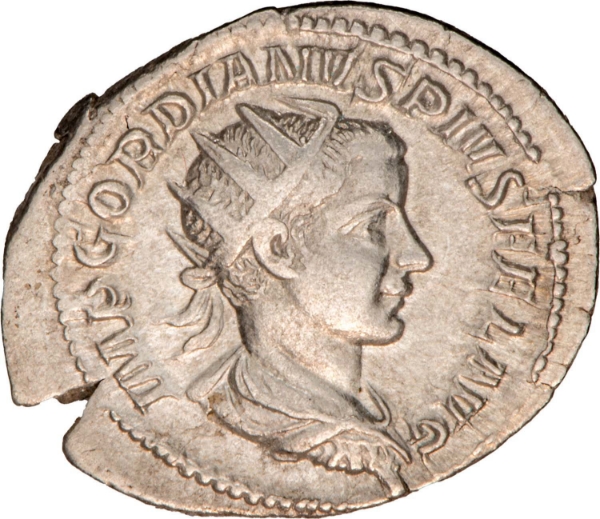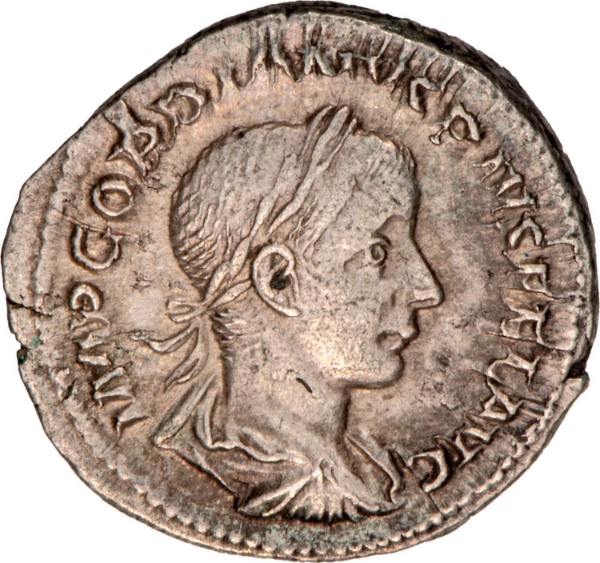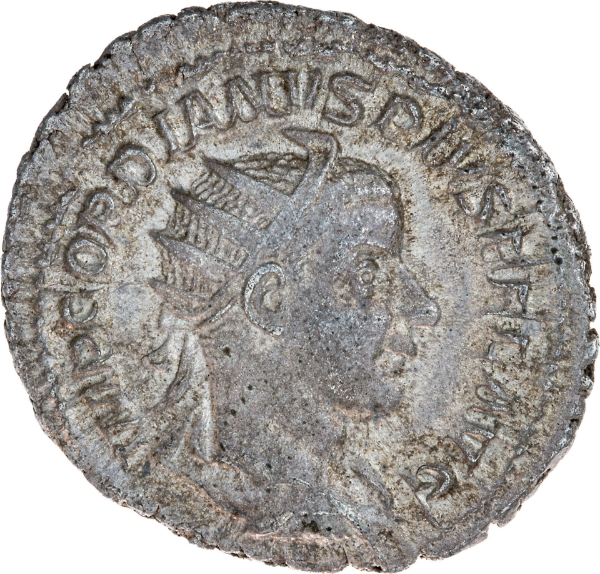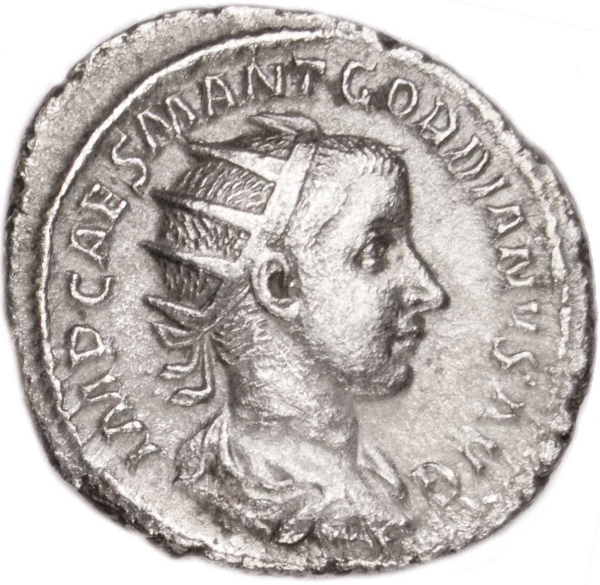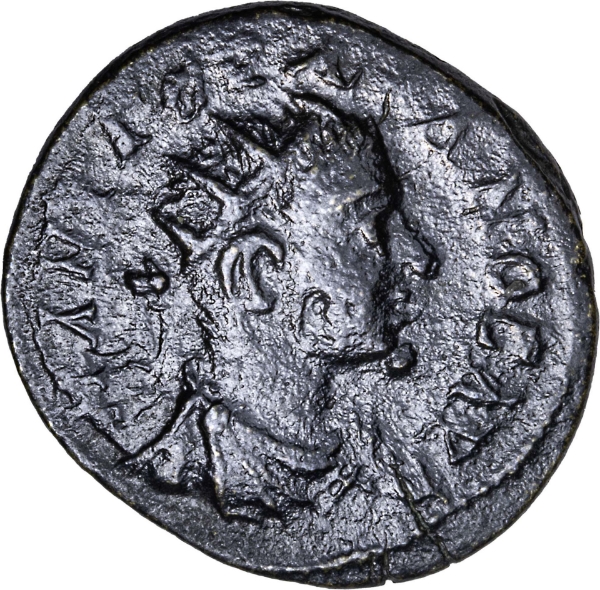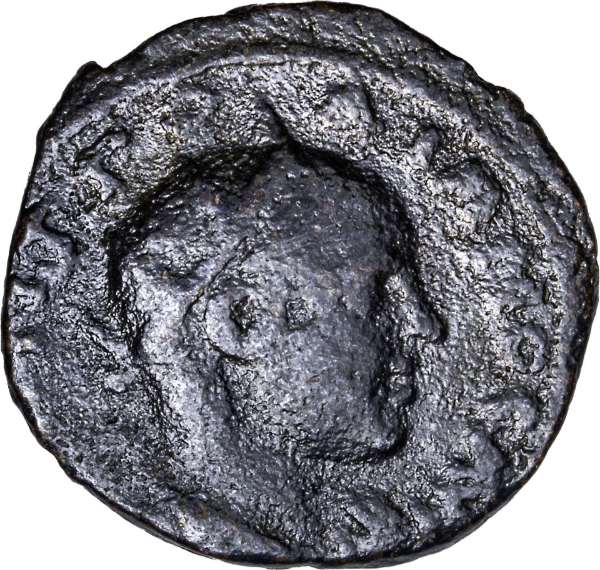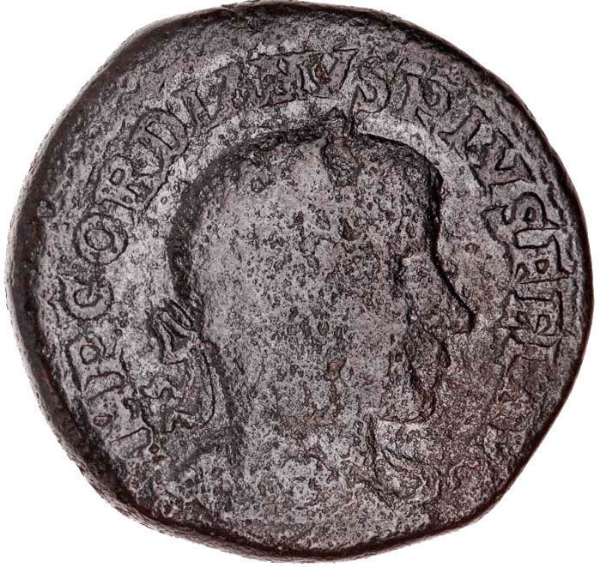
 - WGE2036A.jpg)
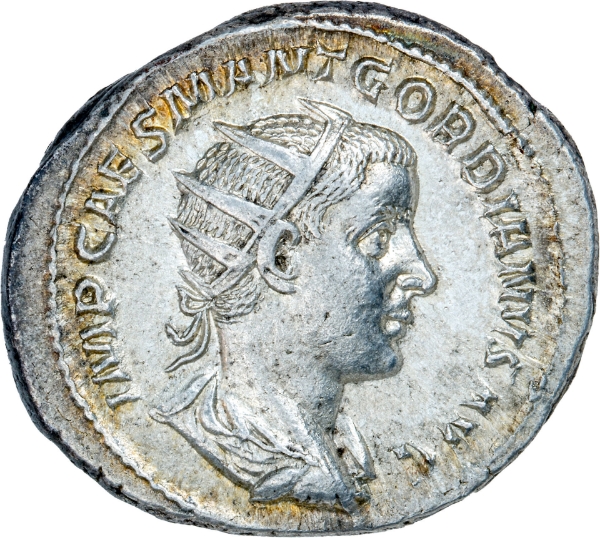
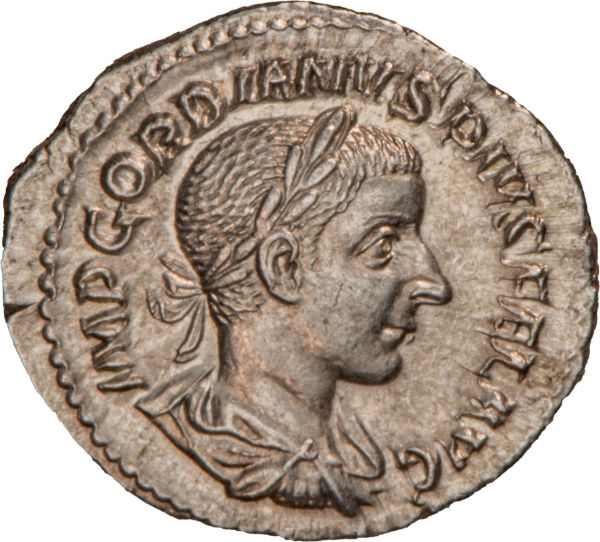
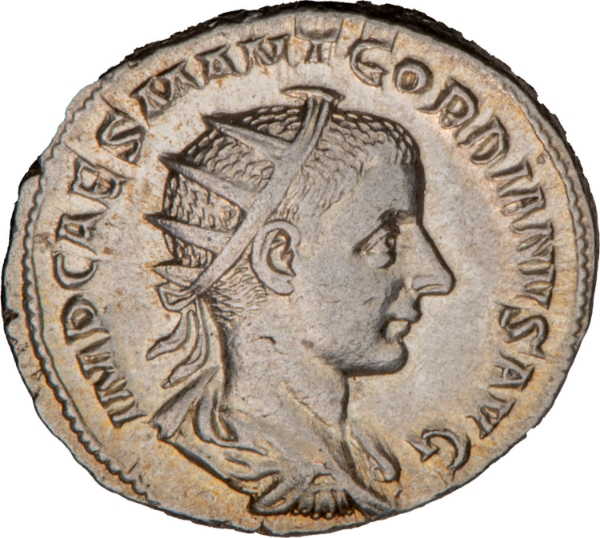
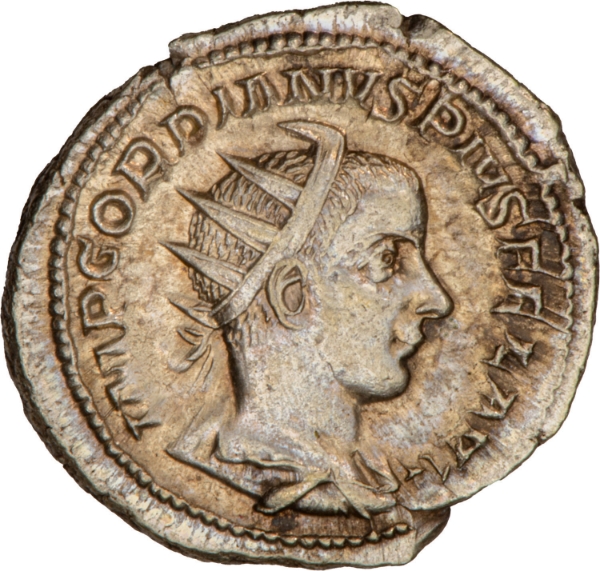
Picture Sources of Gordian III: Wikipedia
Introduction to Gordian III: Historical Context
The Roman Empire, a beacon of power and civilisation, experienced tumultuous periods throughout its existence. One such era was the Crisis of the Third Century, marked by political instability, economic turmoil, and external threats. Within this context, Gordian III emerged as a significant figure. His reign, albeit short-lived, was set against the backdrop of a faltering empire struggling to maintain its dominance.
Gordian III ascended to the throne during a time when the empire was grappling with internal strife and external pressures. The preceding emperors' failures to stabilise the empire left a young Gordian with the daunting task of restoring order. His reign began as a beacon of hope for a populace weary from constant warfare and political upheaval.
Despite his youth, Gordian III's rule was shaped by a need to address the empire's numerous challenges. His leadership was characterised by attempts to bolster the military and navigate the complex political landscape. As the youngest sole emperor in Roman history, his legacy remains a topic of considerable interest and debate among historians.
Early Life and Ascension to the Throne
Gordian III was born in AD 225 into a family with strong political connections. His grandfather, Gordian I, and his uncle, Gordian II, briefly ruled as co-emperors during the Year of the Six Emperors. This tumultuous period eventually set the stage for Gordian III's rise as a young ruler. His family lineage and connections within the Roman Senate were instrumental in his ascension.
At the tender age of 13, Gordian III was proclaimed emperor by the Roman Senate. This decision was largely influenced by his family's previous standing and the Senate's desire to stabilise the empire. Despite his inexperience, Gordian III was seen as a unifying figure who could bridge the gap between the military and the Senate, both of which sought to exert influence over the empire.
His early reign was heavily influenced by advisors and regents, who guided the young emperor through the complexities of imperial rule. Nevertheless, his ascent to power marked a significant moment in Roman history, illustrating the empire's desperate need for leadership amidst chaos. His youth was both a symbol of hope and a reflection of the empire's vulnerability.
Key Events During Gordian III's Reign
Gordian III's reign, though brief, was marked by significant events that shaped the trajectory of the Roman Empire. One of the most notable was his military campaigns against the Sassanian Empire. The Sassanians, under the leadership of King Shapur I, posed a formidable threat to Rome's eastern provinces, necessitating decisive military action.
Another critical event during Gordian III's reign was the Battle of Resaena in AD 243. This battle saw Roman forces, led by the capable general Timesitheus, achieve a significant victory against the Sassanians. This triumph temporarily bolstered Roman confidence and secured Gordian III's position as emperor amidst growing challenges.
Domestically, Gordian III's reign was marked by efforts to stabilise the economy and address the empire's financial woes. He implemented measures to bolster trade and improve fiscal policies, though these efforts were continually undermined by external threats and internal dissent. The young emperor's attempts at reform reflected his commitment to restoring Rome's former glory, despite the myriad obstacles he faced.
Military Campaigns and Challenges Faced
Gordian III's military campaigns were pivotal in defining his reign. The Roman Empire faced significant pressure from the Sassanian Empire in the east, challenging Rome's territorial integrity and political stability. The young emperor's resolve was tested as he embarked on military campaigns to counter these threats.
The campaign against the Sassanians was a critical focus of Gordian III's reign. Under the guidance of Timesitheus, the Roman army achieved notable victories, including the aforementioned Battle of Resaena. These successes temporarily alleviated the immediate threat posed by the Sassanians and solidified Gordian's reputation as a capable leader despite his youth.
However, Gordian III's military endeavours were not without challenges. The sudden death of Timesitheus, his trusted advisor and father-in-law, created a leadership vacuum that proved difficult to fill. This loss, coupled with internal dissent and the constant threat of usurpers, ultimately weakened Rome's military position and undermined Gordian III's authority.
Political Landscape and Governance
The political landscape during Gordian III's reign was fraught with complexity. The Roman Senate, once a powerful governing body, struggled to maintain influence amidst the growing power of the military. Gordian III's position as emperor was precarious, requiring careful navigation of these competing forces.
Gordian III's governance was heavily influenced by his advisors and regents, particularly Timesitheus. Their guidance was crucial in managing the empire's affairs, from military campaigns to economic reforms. However, the young emperor's reliance on his advisors also highlighted the limitations of his authority and experience.
Despite these challenges, Gordian III sought to implement policies that would stabilise the empire. His reign saw efforts to restore the Senate's influence and promote unity among Rome's diverse provinces. Although these initiatives were often undermined by external threats and internal power struggles, they reflected Gordian III's commitment to effective governance.
Gordian III's Influence on Roman Society
Gordian III's impact on Roman society extended beyond his military and political endeavours. His reign was a period of cultural and social change, influenced by the shifting dynamics of the empire. As a young emperor, Gordian III's leadership symbolised a new generation's aspirations for stability and prosperity.
Culturally, Gordian III's reign saw a continuation of Roman artistic and architectural pursuits. The empire's cities flourished with new constructions and public works, reflecting the enduring legacy of Roman engineering and design. These developments not only served practical purposes but also reinforced Rome's cultural influence throughout its territories.
Socially, Gordian III's rule was marked by efforts to address the needs of Rome's diverse populace. His administration sought to promote social cohesion by supporting infrastructure projects and public welfare initiatives. Although these efforts were challenged by ongoing conflicts and economic difficulties, they demonstrated Gordian III's dedication to improving the lives of Roman citizens.
The Legacy of Gordian III: Historical Perspectives
Gordian III's legacy is a subject of considerable debate among historians. His reign, characterised by both achievements and challenges, offers valuable insights into the complexities of Roman imperial rule. Despite the brevity of his rule, Gordian III's impact on the empire was significant, shaping the course of Roman history.
From a military perspective, Gordian III's campaigns against the Sassanians demonstrated Rome's resilience in the face of external threats. His leadership, although reliant on experienced generals, showcased the empire's ability to adapt and respond to geopolitical challenges. These military efforts, however, were often overshadowed by subsequent defeats and internal discord.
Politically, Gordian III's reign highlighted the fragile balance of power within the Roman Empire. His reliance on advisors and the Senate underscored the complexities of governance during a period marked by instability. Despite these challenges, Gordian III's attempts at reform and unity remain noteworthy, reflecting his commitment to preserving the empire's legacy.
Theories Surrounding the End of His Reign
The end of Gordian III's reign is shrouded in mystery and speculation. Historical accounts vary, with conflicting narratives about his demise. Some sources suggest that he was killed in battle against the Sassanians, while others propose that he was assassinated by his own troops, possibly orchestrated by Philip the Arab, who succeeded him as emperor.
Theories surrounding Gordian III's death often focus on the political intrigue and power struggles within the Roman military. As a young and relatively inexperienced ruler, Gordian III's authority was continually challenged by ambitious generals seeking to capitalise on the empire's vulnerabilities. His untimely death, whether by assassination or battlefield misfortune, underscores the precarious nature of Roman imperial rule during this period.
Historians continue to debate the circumstances of Gordian III's demise, with each theory offering insights into the turbulent dynamics of the Roman Empire. Regardless of the true nature of his end, Gordian III's legacy endures as a testament to the challenges faced by a young ruler navigating the complexities of imperial governance.
Gordian III in Popular Culture
Gordian III's legacy extends beyond historical texts, finding expression in various forms of popular culture. His reign, marked by dramatic events and youthful ambition, has inspired numerous artistic and literary interpretations. These portrayals reflect both historical fascination and modern reinterpretations of his life and times.
In literature, Gordian III's story has been reimagined in historical novels and fictional accounts, capturing the imagination of readers intrigued by the Roman Empire's grandeur and intrigue. These works often explore themes of power, loyalty, and the challenges faced by young leaders, providing a narrative lens through which to view Gordian III's reign.
Visual representations of Gordian III have also appeared in films and television series, bringing his story to life for contemporary audiences. These portrayals, while sometimes embellished for dramatic effect, serve to highlight the enduring allure of Roman history and its impact on modern culture. Gordian III's legacy, both historical and fictional, continues to captivate and inspire.
Assessing Gordian III's Impact on History
Gordian III's reign, though brief, left an indelible mark on the Roman Empire. His leadership during a period of crisis demonstrated resilience and determination amidst overwhelming challenges. While his achievements were often overshadowed by subsequent emperors, Gordian III's legacy provides valuable insights into the complexities of Roman imperial rule.
Historically, Gordian III's efforts to stabilise the empire and address external threats reflect his commitment to preserving Rome's legacy. Despite his youth, he navigated the precarious political landscape with a determination that belied his age. His reign serves as a testament to the enduring challenges faced by leaders during times of turmoil.
As we reflect on Gordian III's impact, it is essential to consider the lessons his reign offers for contemporary leadership. His story underscores the importance of adaptability, resilience, and the pursuit of unity in the face of adversity. For those interested in exploring the intricate tapestry of Roman history, Gordian III's legacy remains a compelling chapter in the empire's storied past.