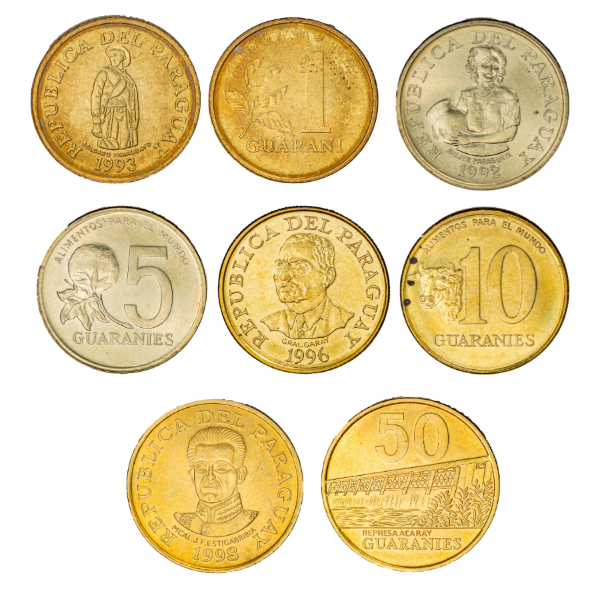
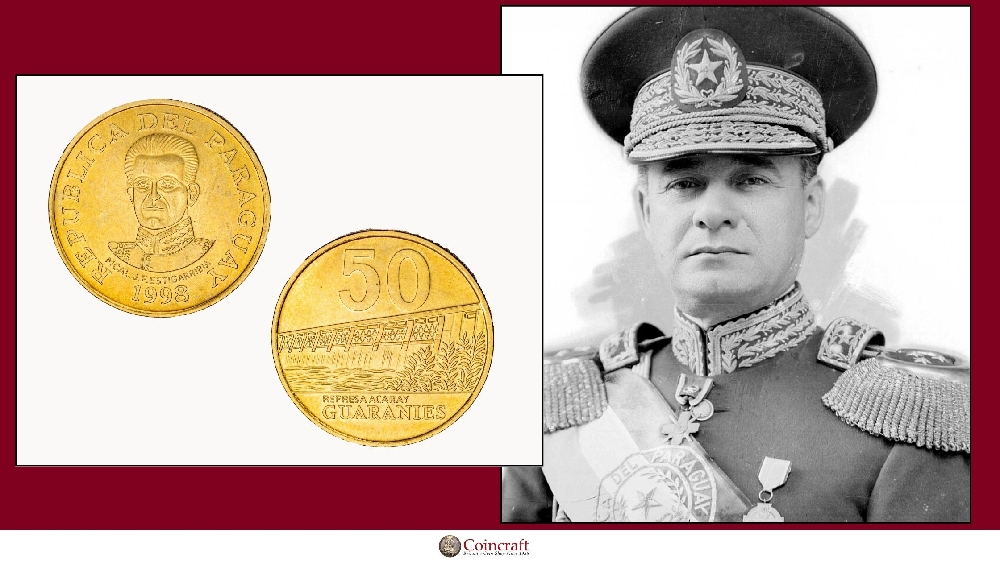
Picture Source of President Jose Felix Estigarribia: Wikipedia
Introduction to José Félix Estigarribia
José Félix Estigarribia, a pivotal figure in Paraguayan history, left an indelible mark on the nation through his military prowess and political leadership. Born in an era of significant upheaval, Estigarribia emerged as a leader whose actions shaped the course of Paraguay's development. His contributions extend beyond mere military accomplishments, impacting the socio-economic and political fabric of the country.
Estigarribia's rise to prominence coincided with a tumultuous period in South America, characterised by political instability and territorial disputes. His leadership during the Chaco War against Bolivia not only showcased his strategic acumen but also positioned him as a national hero. This period of conflict was a defining moment for Paraguay, with Estigarribia's efforts leading to significant territorial gains.
Understanding Estigarribia's legacy requires a comprehensive exploration of his life, from his humble beginnings to his ascendancy to the presidency. Each phase of his life contributed uniquely to his eventual role as a transformative leader. This article delves into the various aspects of his life and career, offering a detailed analysis of his enduring influence on Paraguay.
Early Life and Education of Estigarribia
José Félix Estigarribia was born on 21 February 1888 in Caraguatay, a small town in Paraguay. His early life was marked by modesty, with his family embodying the rural agrarian lifestyle that was common during that period. Despite the financial limitations, Estigarribia's family valued education, fostering his intellectual curiosity from a young age.
He pursued his early education in local schools, demonstrating an aptitude for learning that set him apart from his peers. This academic inclination earned him a scholarship to the prestigious National Military College in Asunción, where he honed his skills in military strategy and leadership. His time at the college was transformative, equipping him with the knowledge and discipline that would later define his military career.
Estigarribia's educational journey did not end at the military college. He continued his studies in France, further broadening his understanding of military tactics and international affairs. This global exposure enriched his perspective, allowing him to integrate diverse strategic principles into his approach to leadership. His education played a crucial role in shaping his vision for Paraguay, blending traditional values with modern insights.
Military Career and Rise to Prominence
Estigarribia's military career began in earnest upon his graduation from the National Military College. He quickly distinguished himself through his strategic brilliance and unwavering dedication. His early assignments saw him engaged in various military campaigns, where he displayed a keen understanding of the complexities of warfare.
The pinnacle of his military career came during the Chaco War, a conflict between Paraguay and Bolivia over the disputed Gran Chaco region. Estigarribia was appointed as the commander of the Paraguayan forces, a testament to his strategic prowess and leadership capabilities. Under his command, the Paraguayan army achieved a series of decisive victories, culminating in the successful defence and eventual expansion of Paraguayan territory.
Estigarribia's leadership during the war elevated him to national hero status. His ability to inspire and lead his troops under challenging conditions earned him widespread respect and admiration. The victory in the Chaco War was not only a military triumph but also a significant boost to national morale, solidifying Estigarribia's position as a key figure in Paraguay's history.
Political Landscape of Paraguay during Estigarribia's Era
The political landscape of Paraguay during Estigarribia's era was characterised by instability and frequent changes in government. The country was grappling with internal divisions and external pressures, creating a volatile environment that demanded strong leadership. Estigarribia's entry into politics was seen as a stabilising force amid this turmoil.
Following the Chaco War, Paraguay faced the challenge of rebuilding a nation weary from conflict. Estigarribia's military success and popularity positioned him as an ideal leader to navigate this complex landscape. His transition from military to political leadership was marked by a commitment to national unity and progress.
Estigarribia's tenure coincided with a period of significant political and social change in South America. The rise of populist movements and the influence of global economic trends were reshaping the region. In this context, Estigarribia's leadership was instrumental in steering Paraguay towards a path of development and modernisation, balancing tradition with innovation.
Estigarribia's Presidency: Achievements and Challenges
José Félix Estigarribia assumed the presidency of Paraguay in 1939, a role that brought with it both opportunities and challenges. His presidency was marked by a series of ambitious reforms aimed at modernising the country's infrastructure and economy. Estigarribia's vision for Paraguay was rooted in progress, focusing on building a foundation for long-term growth and stability.
One of the key achievements of Estigarribia's presidency was the implementation of land reforms. These reforms aimed to address the unequal distribution of land and improve agricultural productivity. By redistributing land to small farmers, Estigarribia sought to empower rural communities and stimulate economic growth. This policy was pivotal in transforming Paraguay's agricultural sector, laying the groundwork for future development.
Despite his successes, Estigarribia's presidency was not without challenges. The political climate remained fraught with tension, and his reformist agenda faced opposition from various quarters. Balancing the demands of modernisation with the need for political stability required careful navigation. Estigarribia's ability to manage these challenges was a testament to his leadership and diplomatic skills.
Economic Policies and their Impact on Paraguay
Estigarribia's economic policies were central to his vision for a prosperous Paraguay. His administration prioritised infrastructure development, recognising its critical role in facilitating economic growth. Investments in roads, bridges, and public utilities were aimed at improving connectivity and access to markets, thereby enhancing the overall quality of life for Paraguayans.
In addition to infrastructure, Estigarribia focused on diversifying the economy. He encouraged the development of industries beyond agriculture, promoting manufacturing and commerce as key drivers of growth. This diversification strategy was designed to reduce Paraguay's dependence on agricultural exports and create a more resilient economy capable of withstanding external shocks.
The impact of Estigarribia's economic policies was significant, contributing to a period of relative stability and growth. However, the benefits were not evenly distributed, and disparities in wealth and opportunity persisted. Estigarribia's efforts laid the foundation for future economic reforms, highlighting the complexities of balancing development with social equity.
José Félix Estigarribia's Legacy in Paraguayan History
José Félix Estigarribia's legacy in Paraguayan history is multifaceted, reflecting his contributions to both military and political spheres. His leadership during the Chaco War remains a defining moment, symbolising national resilience and strength. The territorial gains achieved under his command continue to shape Paraguay's geopolitical landscape.
Beyond his military achievements, Estigarribia's presidency is remembered for its focus on modernisation and reform. His vision for a progressive Paraguay set the stage for subsequent leaders, influencing the country's trajectory for decades to come. Estigarribia's commitment to education, infrastructure, and economic diversification left a lasting impact, shaping the nation's development path.
Estigarribia's legacy is also reflected in the way he is remembered by the Paraguayan people. His life and career continue to inspire new generations, serving as a reminder of the power of leadership and vision. His contributions to Paraguay's history are celebrated as a testament to the enduring impact of dedicated and visionary leadership.
Commemoration and Recognition of Estigarribia Today
Today, José Félix Estigarribia is commemorated and recognised as one of Paraguay's most influential leaders. His contributions to the nation's history are honoured through various memorials, institutions, and public events that celebrate his life and achievements.
Several landmarks and institutions bear his name, serving as reminders of his enduring legacy. These include schools, streets, and public buildings, each symbolising his impact on different facets of Paraguayan society. Such commemorations ensure that Estigarribia's contributions remain a visible and integral part of the national consciousness.
In addition to physical memorials, Estigarribia's legacy is preserved through educational initiatives and historical research. Scholars continue to explore his life and work, contributing to a deeper understanding of his impact on Paraguay. These efforts ensure that his legacy is not only remembered but also critically examined, providing valuable insights for future generations.
Critiques and Controversies Surrounding his Leadership
While José Félix Estigarribia is celebrated for his contributions to Paraguay, his leadership was not without controversy. His presidency, marked by significant reforms, faced opposition from various political factions and interest groups. Critics argue that some of his policies, while well-intentioned, were implemented without sufficient consideration of their broader implications.
One of the primary critiques of Estigarribia's leadership pertains to his approach to political dissent. His administration was characterised by efforts to consolidate power, which some viewed as authoritarian. While these actions were often justified as necessary for stability, they sparked debates about the balance between security and democratic freedoms.
Despite these controversies, Estigarribia's legacy remains overwhelmingly positive. His contributions to Paraguay's development are widely acknowledged, and his leadership is regarded as a pivotal moment in the nation's history. The critiques and controversies serve as important reminders of the complexities inherent in political leadership, highlighting the challenges faced by those who strive to enact meaningful change.
José Félix Estigarribia: Key Insights
Key Takeaways
Military Hero:
Commanded Paraguayan forces during the Chaco War
Achieved significant territorial gains against Bolivia
Elevated to national hero status through military success
Political Leadership:
Became President of Paraguay in 1939
Focused on modernization and national development
Implemented crucial land reforms to redistribute agricultural land
Educational Background:
Born in Caraguatay on 21 February 1888
Studied at the National Military College in Asunción
Completed additional military studies in France
Economic Vision:
Prioritized infrastructure development
Encouraged economic diversification beyond agriculture
Invested in roads, bridges, and public utilities
Lasting Legacy:
Remembered as a transformative leader
Commemorated through various national memorials
Continues to inspire generations of Paraguayans
Frequently Asked Questions
Q1: Who was José Félix Estigarribia?
A: José Félix Estigarribia was a prominent Paraguayan military leader and president who played a crucial role in Paraguay’s history, particularly during the Chaco War and the late 1930s.
Q2: What was Estigarribia’s most significant military achievement?
A: His leadership during the Chaco War against Bolivia, where he successfully defended and expanded Paraguayan territory, establishing him as a national hero.
Q3: When did Estigarribia become President of Paraguay?
A: He assumed the presidency in 1939, bringing a focus on modernization and economic reforms.
Q4: What were his key economic policies?
A: Estigarribia prioritized infrastructure development, land reforms, and economic diversification, aiming to reduce Paraguay’s dependence on agricultural exports.
Q5: How is Estigarribia remembered today?
A: He is commemorated through various memorials, institutions named after him, and is celebrated as a visionary leader who significantly shaped Paraguay’s development.
Q6: Were there any controversies during his leadership?
A: Yes, some critics viewed his efforts to consolidate power as potentially authoritarian, though his overall legacy remains predominantly positive.
Q7: What was his educational background?
A: He studied at the National Military College in Asunción and completed additional military studies in France, which broadened his strategic and international perspective.
Historical Context
Era: Late 1930s, a period of political instability in South America
Significant Achievement: Leading Paraguay to victory in the Chaco War
Key Focus: Modernization, infrastructure, and national unity