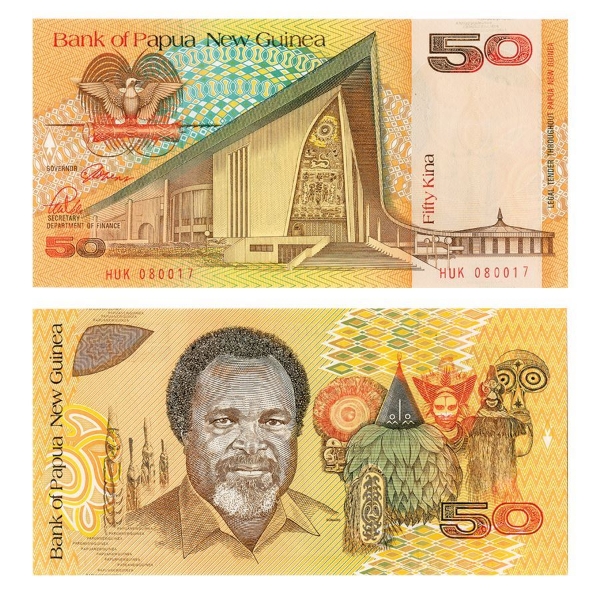
.jpg)
Picture of Source of Sir Michael Somare: Wikipedia
Who Was Sir Michael Somare?
Sir Michael Somare, affectionately known as the "Grand Chief," was a towering figure in Papua New Guinea's history. Born on April 9, 1936, in Rabaul, East New Britain Province, Somare would go on to become the architect of his country's independence and its longest-serving prime minister.
Throughout his life, Somare embodied the spirit of unity and progress, navigating the complex cultural and political landscape of Papua New Guinea with remarkable skill and determination. His journey from a young teacher to the highest office in the land is a testament to his vision, perseverance, and unwavering commitment to his people.
As we delve into the life of Sir Michael Somare, we'll uncover the many facets of this extraordinary leader who shaped the destiny of a nation and left an indelible mark on the Pacific region.
Early Life and Education of Papua New Guinea's Founding Father
Michael Thomas Somare's early years were shaped by the diverse cultural influences of Papua New Guinea. Born to Ludwig Somare Sana and Kambe Somare, young Michael grew up in a time of significant change, as the country was still under Australian administration.
His father, a policeman, instilled in him a strong sense of discipline and respect for authority. These early lessons would prove invaluable in his future political career. Somare's education began in his village of Karau in the East Sepik Province, where he was exposed to traditional customs and values that would later inform his leadership style.
As a young student, Somare showed exceptional promise. He attended Boram Primary School and then moved on to Dregerhafen Education Centre in Finschhafen, Morobe Province. It was during these formative years that Somare began to develop his passion for education and his vision for a united Papua New Guinea.
Sir Michael Somare's Political Career: From Teacher to Prime Minister
Somare's journey into politics was not a direct one. After completing his education, he initially pursued a career in teaching. This experience would prove invaluable, honing his communication skills and deepening his understanding of the challenges faced by ordinary Papua New Guineans.
In 1965, Somare took a significant step towards his political future by joining the Public Service. He worked as a translator and interpreter for the House of Assembly, a role that exposed him to the inner workings of government and sparked his interest in politics.
It was in 1968 that Somare made his official entry into the political arena. He founded the Pangu Party, which would become a driving force in the push for independence. His charisma, intelligence, and ability to bridge cultural divides quickly propelled him to the forefront of the independence movement.
The Road to Independence: Somare's Role in Papua New Guinea's Sovereignty
The journey to independence was fraught with challenges, but Somare's leadership was instrumental in navigating these turbulent waters. As Chief Minister from 1973, he worked tirelessly to prepare Papua New Guinea for self-governance.
Somare's approach to independence was marked by pragmatism and a deep commitment to unity. He understood the complexities of bringing together a nation with over 800 distinct languages and cultures. His vision was to create a modern state that respected and preserved this diversity while forging a common national identity.
On September 16, 1975, Somare's dream was realized as Papua New Guinea gained independence from Australia. As the country's first Prime Minister, he faced the monumental task of building a nation from the ground up. It was a role he embraced with characteristic determination and foresight.
Key Achievements During Somare's Tenure as Prime Minister
Somare's tenure as Prime Minister was marked by several significant achievements:
National Unity: Perhaps his greatest accomplishment was maintaining national unity in a country of immense cultural diversity.
Economic Development: Somare laid the foundations for economic growth, focusing on developing the country's natural resources while striving for equitable distribution of wealth.
Education Reform: Recognizing the importance of education, he implemented policies to improve access to schooling across the country.
Foreign Policy: Somare established Papua New Guinea as a respected player on the international stage, fostering relationships with neighboring countries and global powers alike.
Constitutional Development: He oversaw the creation of a robust constitutional framework that has guided the nation since independence.
These achievements, among many others, cemented Somare's place as a transformative leader in Papua New Guinea's history.
Challenges and Controversies in Somare's Political Journey
Like any long-serving political leader, Somare's career was not without its challenges and controversies. He faced opposition from rival political factions and criticism over issues such as corruption and economic management.
One of the most significant controversies occurred in 2011 when Somare was removed from office while receiving medical treatment abroad. This led to a constitutional crisis that tested the strength of Papua New Guinea's democratic institutions.
Despite these challenges, Somare's resilience and political acumen allowed him to navigate through turbulent times. His ability to maintain popular support and return to power multiple times is a testament to his enduring appeal and political skill.
Sir Michael Somare's Impact on Papua New Guinea's Culture and Identity
Somare's influence extended far beyond the political sphere. As a cultural icon, he played a crucial role in shaping Papua New Guinea's national identity. His leadership style, which blended modern governance with traditional values, resonated deeply with the people.
One of Somare's most significant cultural contributions was his promotion of the 'Melanesian Way' – a philosophy that emphasized consensus-building and respect for traditional customs in governance. This approach helped to bridge the gap between Papua New Guinea's diverse communities and foster a sense of national unity.
Somare also championed the preservation of indigenous languages and cultural practices. He understood that Papua New Guinea's rich cultural heritage was not just a source of pride but also a valuable resource for national development.
The Grand Chief's International Recognition and Diplomacy
On the international stage, Somare was a respected statesman who skillfully represented Papua New Guinea's interests. His diplomatic efforts were crucial in establishing the country as a sovereign nation in the eyes of the world.
Some of Somare's key diplomatic achievements include:
- Securing Papua New Guinea's membership in the United Nations
- Fostering strong relationships with regional powers such as Australia and Indonesia
- Promoting Papua New Guinea's interests in international forums like the Commonwealth of Nations
Somare's ability to navigate complex international relationships while maintaining Papua New Guinea's sovereignty and dignity earned him widespread respect among global leaders.
Somare's Retirement and Later Years
After decades of public service, Somare officially retired from politics in 2017. However, his influence continued to be felt in Papua New Guinea's political landscape. As the elder statesman, he remained a voice of wisdom and a symbol of national unity.
In his retirement, Somare focused on mentoring the next generation of leaders and advocating for causes close to his heart, such as environmental conservation and cultural preservation. His later years were marked by reflection on his long career and the future of the nation he had helped to create.
Despite facing health challenges in his final years, Somare remained engaged with public life, offering counsel and commentary on national issues. His enduring presence in Papua New Guinea's public consciousness is a testament to the profound impact he had on the nation.
Sir Michael Somare's Enduring Legacy: Reflections on the Father of the Nation
As we reflect on Sir Michael Somare's life and career, it's clear that his legacy extends far beyond his political achievements. He was more than just a politician; he was a nation-builder, a cultural icon, and a father figure to millions of Papua New Guineans.
Somare's legacy can be seen in:
- The stable democratic system he helped establish
- The national identity he fostered among Papua New Guinea's diverse population
- The diplomatic relationships he cultivated on the world stage
- The generation of leaders he inspired and mentored
Perhaps most importantly, Somare's legacy lies in the hope and pride he instilled in the people of Papua New Guinea. He showed that with vision, determination, and unity, a small island nation could stand tall on the global stage.