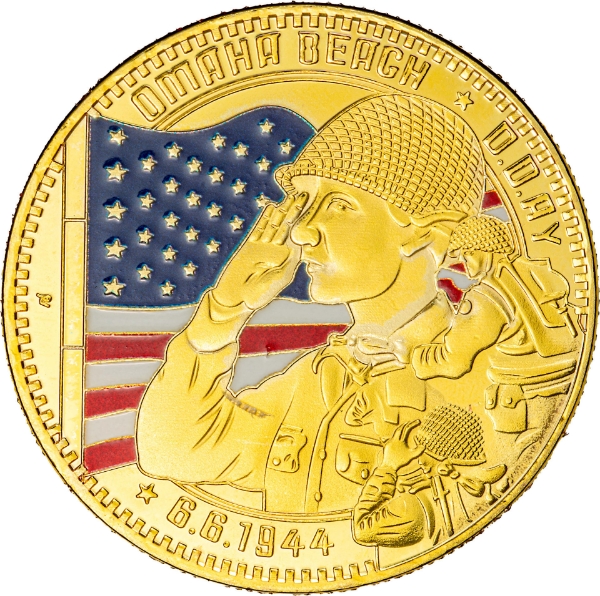
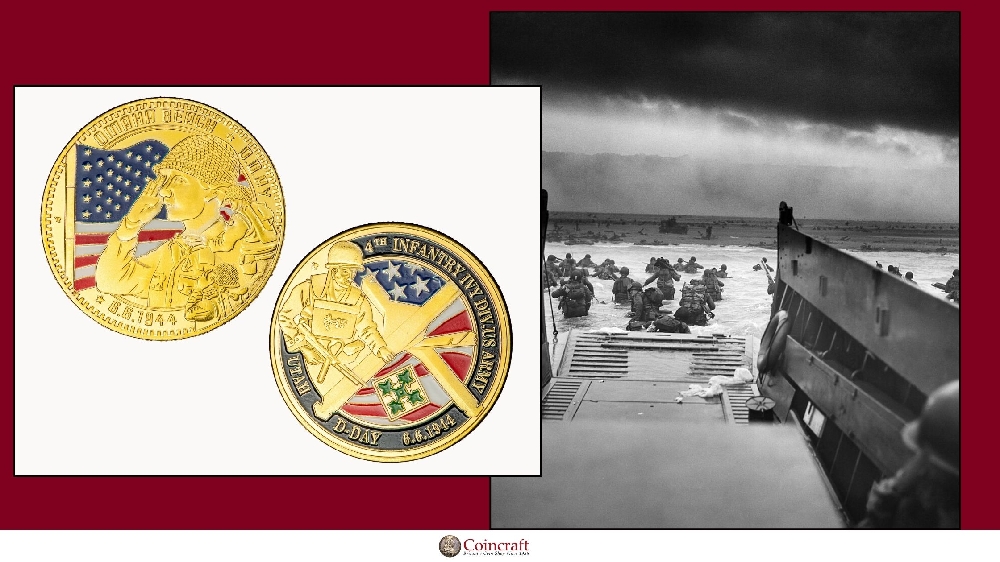
Picture Source of the Omaha Beach Landing: Wikipedia
Introduction to Omaha Beach and D-Day
Omaha Beach, a name etched into the annals of history, stands as a symbol of courage and sacrifice. It was one of the five designated beaches for the Allied invasion of Normandy on 6th June 1944, known as D-Day. This operation marked a turning point in the Second World War, as Allied forces launched a massive assault on Nazi-occupied France. The beach, stretching along the Normandy coast of France, witnessed some of the fiercest fighting and greatest acts of bravery during the invasion.
The objective of the Omaha Beach assault was to secure a foothold in Europe, which would allow for the liberation of France and the eventual defeat of Nazi Germany. The task fell primarily to American forces, who faced formidable German defences, including bunkers, barbed wire, and a daunting landscape. Despite the overwhelming odds, the determination and valour of the Allied troops turned the tide in favour of the Allies, making Omaha Beach a critical component of D-Day's overall success.
Understanding the events at Omaha Beach offers insight into the broader strategy and significance of D-Day. It highlights the resolve and heroism of those who fought there and underscores the importance of this historic military operation. The lessons learned from Omaha Beach continue to resonate, serving as a testament to the sacrifices made for freedom and democracy.
The Significance of D-Day in World War II
D-Day was not merely an ordinary military operation; it was a meticulously planned and executed assault that carried significant implications for the course of World War II. The invasion marked the beginning of the end for Nazi Germany, as it opened a new front in Western Europe. This move was crucial in relieving pressure on Soviet forces fighting on the Eastern Front and paved the way for a coordinated Allied effort to defeat the Axis powers.
The success of D-Day relied heavily on the element of surprise and the ability to coordinate land, sea, and air forces. The Allies had to overcome logistical challenges, including the transportation of men and equipment across the English Channel. The operation also required secrecy and deception, exemplified by efforts like Operation Fortitude, which aimed to mislead the Germans about the actual landing site.
The impact of D-Day extended beyond the battlefield. It boosted the morale of Allied nations and demonstrated their commitment to liberating Europe from Nazi tyranny. The bravery and sacrifice displayed on Omaha Beach and other landing sites have been immortalised in films, books, and memorials, serving as enduring reminders of the determination to uphold freedom and justice.
The Planning and Execution of the Omaha Beach Assault
The assault on Omaha Beach was a complex operation, involving months of meticulous planning and coordination among the Allied forces. The primary objective was to establish a secure beachhead, enabling further operations into occupied France. The planning involved a detailed analysis of the geography, enemy defences, and logistical requirements needed to support the landing forces.
The execution of the assault began in the early hours of 6th June 1944, with naval bombardment aimed at softening German defences. However, the effectiveness of this bombardment was limited, and many German positions remained intact. As the first wave of American soldiers approached the beach, they faced a hail of machine-gun fire, artillery, and obstacles designed to impede their progress.
Despite the initial chaos and heavy casualties, the resolve of the Allied troops did not waver. Small units managed to breach the German defences, utilising innovative tactics and sheer determination. The success of the Omaha Beach assault was a testament to the bravery and resilience of the troops, who overcame insurmountable odds to achieve their objectives.
Key Military Strategies Employed During the Omaha Beach Invasion
Several key military strategies were employed during the Omaha Beach invasion, each contributing to the ultimate success of the operation. These strategies were designed to maximise the effectiveness of the assault while minimising casualties among the Allied forces. The combination of air, sea, and land elements was crucial in achieving the desired outcome.
Air and Naval Support: The operation began with a coordinated air and naval bombardment intended to destroy German positions and fortifications. Although not entirely successful, this effort was crucial in creating openings for the landing forces.
Amphibious Assault Vehicles: The use of specialised landing craft, such as the Higgins boats, was essential in transporting soldiers and equipment to the beach. These vessels allowed for rapid deployment under fire, enabling troops to reach the shore despite the formidable defences.
Decentralised Command: The chaos of the initial landing required flexibility and quick decision-making by lower-level commanders. This decentralised approach allowed small units to adapt to changing conditions and exploit weaknesses in the German lines.
The combination of these strategies helped turn the tide in favour of the Allies, enabling them to secure Omaha Beach despite significant challenges. The lessons learned from this operation have informed military tactics and strategies in subsequent conflicts, underscoring the importance of adaptability and innovation in warfare.
Personal Stories of Heroism from Omaha Beach
The assault on Omaha Beach is replete with stories of individual heroism, as soldiers faced insurmountable odds with unwavering courage and determination. These personal accounts offer a glimpse into the human aspect of warfare and the extraordinary sacrifices made by those who fought on that fateful day.
One such story is that of Brigadier General Norman Cota, who played a crucial role in rallying the troops and leading them forward under intense enemy fire. His leadership and bravery inspired those around him, helping to break the stalemate on the beach and secure a path to victory.
Another remarkable tale is that of Private First Class Leonard Treherne, who, despite being wounded multiple times, continued to fight and assist his fellow soldiers. His selflessness and dedication exemplify the spirit of those who served on Omaha Beach, often putting the needs of others above their own safety.
These individual acts of heroism are a testament to the resilience and bravery of the Allied forces. They serve as a powerful reminder of the sacrifices made by those who fought for freedom and underscore the enduring legacy of Omaha Beach.
The Impact of Omaha Beach on the Outcome of D-Day
The successful assault on Omaha Beach had a profound impact on the overall outcome of D-Day, as it secured a critical foothold in Normandy and allowed for the subsequent liberation of France. The victory at Omaha Beach demonstrated the effectiveness of Allied planning and coordination, setting the stage for further operations against Nazi forces.
The capture of Omaha Beach enabled the Allies to establish a continuous beachhead, linking up with forces from other landing sites such as Utah, Gold, Juno, and Sword. This consolidation of forces allowed for the rapid movement of men and equipment inland, facilitating the eventual breakout from Normandy and the liberation of Paris.
The success of D-Day, and specifically the assault on Omaha Beach, marked a turning point in World War II. It shifted the momentum in favour of the Allies, leading to the eventual defeat of Nazi Germany. The lessons learned from this operation continue to inform military strategy and tactics, highlighting the importance of adaptability and innovation in achieving victory.
Commemorating the Sacrifices Made at Omaha Beach
The sacrifices made at Omaha Beach have been commemorated through various memorials and ceremonies, honouring the bravery and dedication of those who served. These tributes serve as a reminder of the human cost of war and the enduring legacy of those who fought for freedom.
The Normandy American Cemetery and Memorial, located near Omaha Beach, is one of the most poignant commemorations of the sacrifices made during the D-Day landings. It serves as the final resting place for over 9,000 American soldiers, with rows of white crosses and Stars of David symbolising the price of peace.
In addition to physical memorials, annual ceremonies and events are held to honour the memory of those who served on Omaha Beach. These gatherings bring together veterans, families, and dignitaries to pay tribute to the bravery and sacrifice of the soldiers who fought for liberty and democracy.
Modern-Day Significance of Omaha Beach
The significance of Omaha Beach extends beyond its historical importance, as it continues to serve as a powerful symbol of courage and sacrifice. The lessons learned from this pivotal moment in history remain relevant today, informing military strategy and reinforcing the values of freedom and democracy.
Omaha Beach also serves as a reminder of the importance of international cooperation and unity in the face of adversity. The success of the D-Day landings was made possible through the collaboration of Allied nations, demonstrating the power of working together to achieve a common goal.
As a site of historical and cultural significance, Omaha Beach attracts visitors from around the world, offering an opportunity to reflect on the sacrifices made by those who fought there. The preservation of this site ensures that future generations can learn from the past and be inspired by the bravery and resilience of those who served.
Key Takeaways
- Omaha Beach was vital for the success of D-Day and the Allied advance in Europe.
- Despite heavy resistance, Allied forces prevailed through coordination and heroism.
- The battle demonstrated the importance of adaptable tactics and joint operations.
- Personal acts of courage remain central to its legacy.
- Memorials honor the sacrifices and inspire ongoing commitment to freedom.
FAQ - Omaha Beach and D-Day
What was Omaha Beach?
A key landing site for American forces during the D-Day invasion on June 6, 1944.Why was it important?
It secured a crucial foothold in Europe, aiding the liberation of France and defeat of Nazi Germany.What challenges did troops face?
Strong German defenses, heavy fire, and difficult terrain caused high casualties.What strategies were used?
Air and naval bombardment, specialized landing craft, and flexible command.Who were notable heroes?
Brigadier General Norman Cota and Private Leonard Treherne showed exceptional bravery.How did Omaha Beach affect D-Day?
Its capture allowed Allied forces to advance inland and was a turning point in WWII.How is it commemorated?
Through memorials like the Normandy American Cemetery and annual ceremonies.