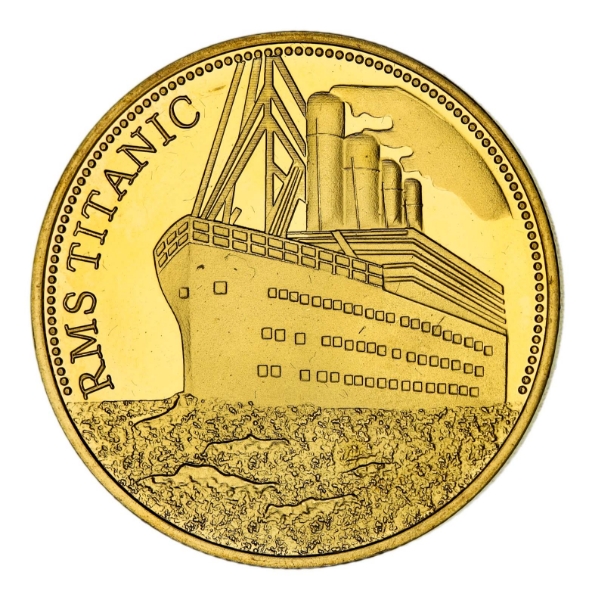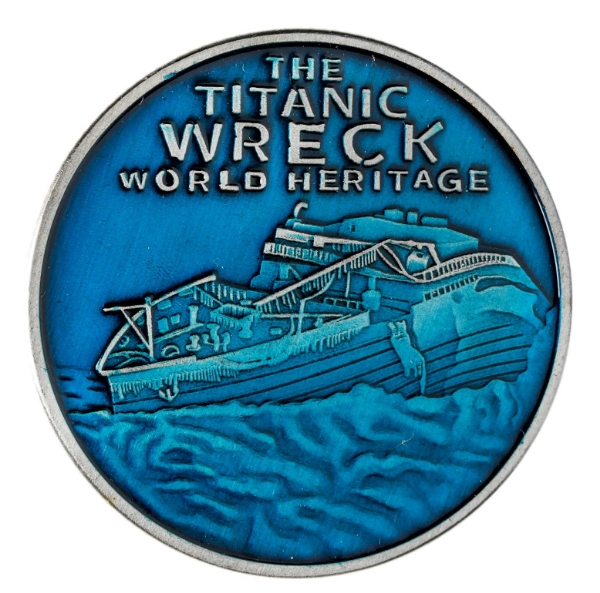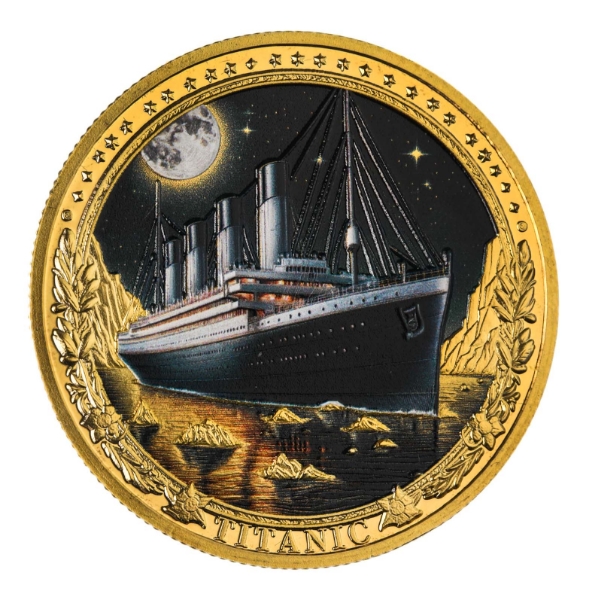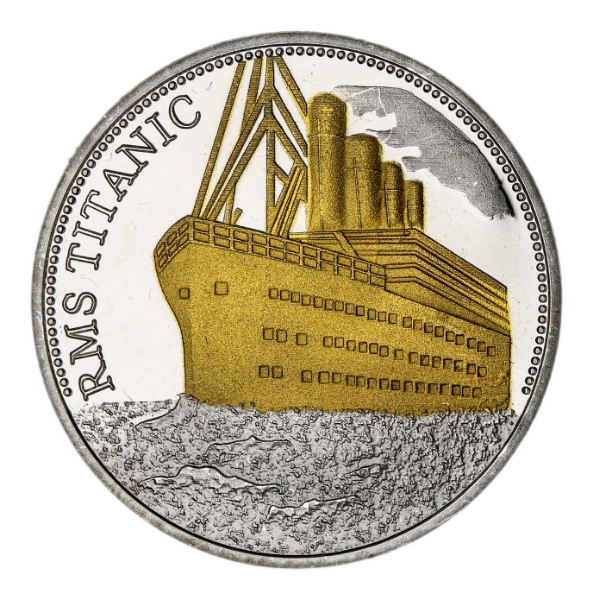
Picture Source of the Titanic: Canva
Introduction to the Titanic: A Brief Overview
The RMS Titanic remains one of the most iconic and tragic maritime disasters in history. Launched in 1912, the Titanic was the largest and most luxurious ship of its time, symbolising human ingenuity and ambition. However, its maiden voyage ended in catastrophe when it struck an iceberg and sank, resulting in the deaths of over 1,500 passengers and crew.
The story of the Titanic has captivated imaginations for over a century, inspiring countless books, films, and documentaries. The allure of the Titanic lies not only in its grandeur and the tragic loss of life but also in the enduring mystery and myths that surround its final hours. This article seeks to explore the myths and facts surrounding the Titanic, its impact on maritime laws, and its lasting legacy in popular culture.
Understanding the Titanic's story requires a journey through history, examining the societal context of the early 20th century. This exploration reveals the technological innovations and the human stories interwoven with the ship's fateful voyage, providing a comprehensive understanding of why the Titanic continues to fascinate and educate today.
The Historical Context of the Titanic
The Titanic was conceived during a period of great technological advancement and social change. The early 1900s saw rapid industrialisation, with innovations in engineering and design transforming transportation. The Titanic was a testament to this era's ambition, boasting cutting-edge technology and unparalleled luxury.
At the time, the Titanic was part of a competitive race among major shipping companies, notably the White Star Line and the Cunard Line, to dominate the transatlantic passenger route. The Titanic, alongside her sister ships Olympic and Britannic, was designed to offer unmatched comfort and safety, aiming to attract wealthy travellers and immigrants seeking new opportunities in America.
Societal norms of the early 20th century also played a significant role in the Titanic's narrative. The rigid class structure aboard the ship mirrored the broader social hierarchy of the time. The disparity in survival rates between first-class and third-class passengers highlighted the stark inequalities present in society, a theme that resonates in discussions about the Titanic to this day.
Myths Surrounding the Titanic: Debunking Common Misconceptions
The Titanic's story is shrouded in many myths and misconceptions, perpetuated by dramatic retellings and the passage of time. One of the most enduring myths is that the ship was advertised as "unsinkable." While the Titanic was indeed promoted as a marvel of modern engineering, the term "unsinkable" was not widely used by the White Star Line but rather became part of the lore following the disaster.
Another common myth is that the ship sank intact. In reality, the Titanic broke apart as it descended into the icy depths of the North Atlantic. This misconception was perpetuated by early reports and films that depicted the ship sinking whole, a narrative only corrected by later explorations of the wreck site.
A third misconception involves the role of Captain Edward Smith. Some accounts suggest he was negligent, but evidence indicates he was an experienced and respected mariner. The tragedy was the result of a series of unfortunate circumstances and a lack of adequate safety measures, rather than individual negligence.
The Facts of the Titanic: What Really Happened
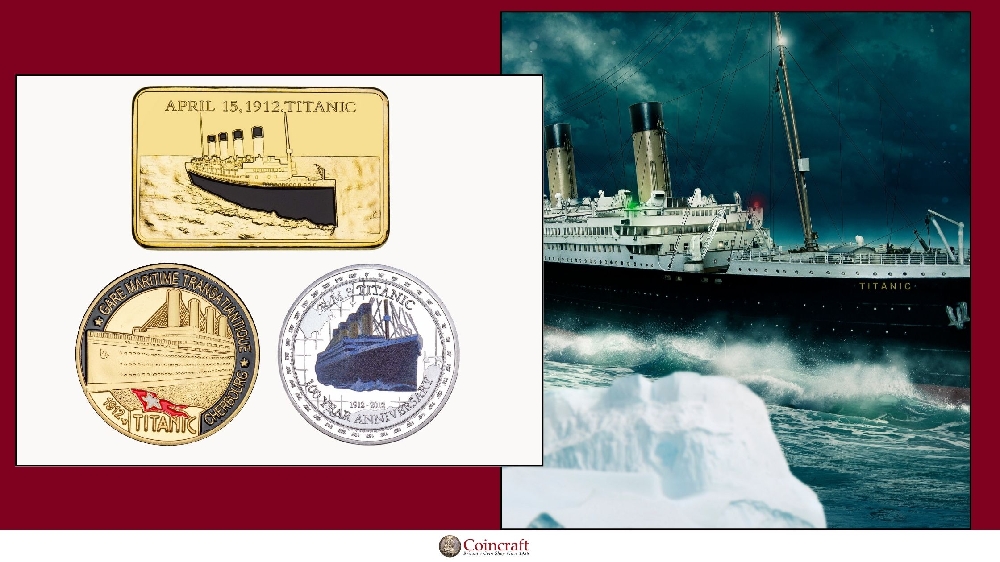
The sinking of the Titanic was a complex event resulting from a combination of human error, technological limitations, and natural forces. On the night of April 14, 1912, the ship collided with an iceberg at approximately 11:40 PM, causing a series of breaches below the waterline. The Titanic's design allowed it to stay afloat with up to four compartments flooded, but the iceberg compromised five, sealing its fate.
In the ensuing chaos, the lifeboat protocol revealed a stark inadequacy. There were only enough lifeboats for about half of the passengers and crew, a compliance with outdated regulations rather than the ship's capacity. This tragic shortfall was compounded by the lack of proper lifeboat drills and the failure to fill each boat to capacity during the evacuation.
The final hours saw acts of heroism and panic, with the crew and passengers facing unimaginable choices. The ship sank in less than three hours, an event witnessed by the nearby RMS Carpathia, which responded to the distress calls and rescued the survivors. The hearings that followed highlighted the urgent need for maritime safety reforms, leading to significant changes in international regulations.
The Titanic's Design and Construction: Engineering Marvel or Flawed Masterpiece?
The Titanic was an engineering marvel of its time, incorporating advanced technologies and luxurious amenities that set new standards in shipbuilding. The ship featured a double hull, watertight compartments, and the latest in navigational equipment, reflecting the pinnacle of early 20th-century maritime design.
Despite these innovations, the Titanic's design had critical flaws that contributed to its demise. The watertight compartments were not capped at the top, allowing water to spill from one to the next. The lifeboat capacity was also grossly inadequate, a decision influenced by aesthetics and the belief that the ship's advanced design made such measures unnecessary.
Debates continue about whether the Titanic was a flawed masterpiece or a victim of its time. While its construction showcased human ingenuity, it also highlighted the dangers of overconfidence in technology. The lessons learned from the Titanic's design failures have informed modern shipbuilding, emphasising safety and redundancy over luxury and prestige.
The Passenger Experience: Life on Board the Titanic
Life aboard the Titanic was a study in contrasts, reflecting the societal divisions of the era. First-class passengers enjoyed opulent surroundings, with access to a swimming pool, a gymnasium, and lavish dining rooms. Their cabins were furnished with the finest materials, offering a level of comfort akin to the grandest hotels of the time.
In contrast, third-class passengers experienced more modest accommodations, yet the Titanic's facilities were still superior to those on other ships. Many were immigrants seeking a new life in America, and the journey offered a glimpse of hope and opportunity. Despite the disparities, the Titanic provided a safe and comfortable passage, a promise tragically unfulfilled.
The social interactions aboard the ship also mirrored the rigid class distinctions of the period. The first-class passengers included some of the wealthiest and most influential figures of the day, while the third-class travellers represented a diverse array of backgrounds and aspirations. These dynamics enrich the Titanic's story, offering insights into the human dimension of this historic voyage.
The Aftermath of the Titanic: Impact on Maritime Laws and Safety Regulations
The Titanic disaster prompted a comprehensive reevaluation of maritime safety regulations, leading to significant reforms designed to prevent similar tragedies. The International Convention for the Safety of Life at Sea (SOLAS), established in 1914, was a direct response to the disaster, mandating lifeboat space for all passengers and crew and requiring regular lifeboat drills.
The Titanic's sinking also highlighted the need for improved communication at sea. The mandatory use of 24-hour radio watches and the adoption of distress frequencies became standard practice, ensuring that ships could receive and respond to emergency signals more effectively.
These changes had a lasting impact on maritime safety, setting the foundation for modern regulations. The Titanic's legacy in this regard is a testament to the importance of learning from past failures to enhance safety and protect lives, a principle that continues to guide the maritime industry today.
Titanic in Popular Culture: Films, Books, and Documentaries
The Titanic has become a cultural phenomenon, inspiring a vast array of films, books, and documentaries. Each retelling offers a unique perspective on the tragedy, exploring different facets of the story and engaging new generations in the Titanic's enduring legacy.
One of the most famous cinematic portrayals is James Cameron's 1997 film "Titanic," which combined historical events with fictional narratives to create a compelling drama. The film's success reignited public interest in the Titanic, leading to renewed exploration and research into the ship's story.
Books and documentaries have also played a crucial role in preserving the Titanic's history. Works such as Walter Lord's "A Night to Remember" provide detailed accounts of the disaster, while documentaries like "Titanic: The Final Word with James Cameron" offer insights into the ship's construction and sinking. These cultural artefacts ensure that the Titanic's story remains vibrant and relevant, captivating audiences worldwide.
The Titanic's Legacy: Memorials and Ongoing Research
The legacy of the Titanic is preserved through numerous memorials and ongoing research efforts that honour the lives lost and seek to uncover new insights into the disaster. Monuments and plaques around the world commemorate the passengers and crew, serving as poignant reminders of the human cost of the tragedy.
Research into the Titanic continues to evolve, with modern technology enabling detailed exploration of the wreck site. Expeditions have provided valuable information on the ship's condition and the events leading to its sinking, contributing to our understanding of maritime history and archaeology.
The Titanic's legacy extends beyond the physical remnants of the ship. It serves as a powerful symbol of human endeavour and hubris, reminding us of the importance of humility and preparedness in the face of nature's unpredictability. The ongoing fascination with the Titanic ensures that its lessons and stories will continue to resonate for generations to come.
RMS Titanic: Key Takeaways and FAQs
Quick Facts
Maiden voyage: 1912
Passengers lost: Over 1,500
Significance: Pivotal maritime disaster that transformed safety regulations
Key Takeaways
Technological Hubris
Advanced ship design with critical safety flaws
Watertight compartments proved inadequate
Overconfidence in technological capabilities
Social Inequality
Stark class differences reflected in survival rates
First-class passengers had significantly higher chances of survival
Highlighted societal hierarchies of early 20th century
Safety Legacy
Triggered major maritime safety reforms
Introduced mandatory:
Sufficient lifeboats
24-hour radio watches
Improved emergency protocols
Frequently Asked Questions
Q: Was the Titanic really “unsinkable”?
A: No. This was a myth that developed after the disaster, not an official claim by the White Star Line.
Q: What caused the sinking?
A: Collision with an iceberg that breached five watertight compartments, exceeding the ship’s design limits.
Q: How long did it take to sink?
A: Less than three hours, from 11:40 PM on April 14 to early hours of April 15, 1912.
Q: What changed after the disaster?
A: Comprehensive maritime safety regulations were established, including the International Convention for the Safety of Life at Sea (SOLAS) in 1914.
Q: Why does the Titanic still fascinate people?
A: It symbolizes human ambition, technological limitations, and the dramatic human stories of survival and loss.