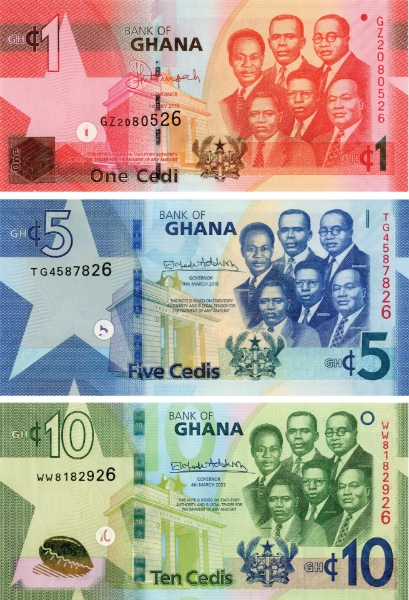
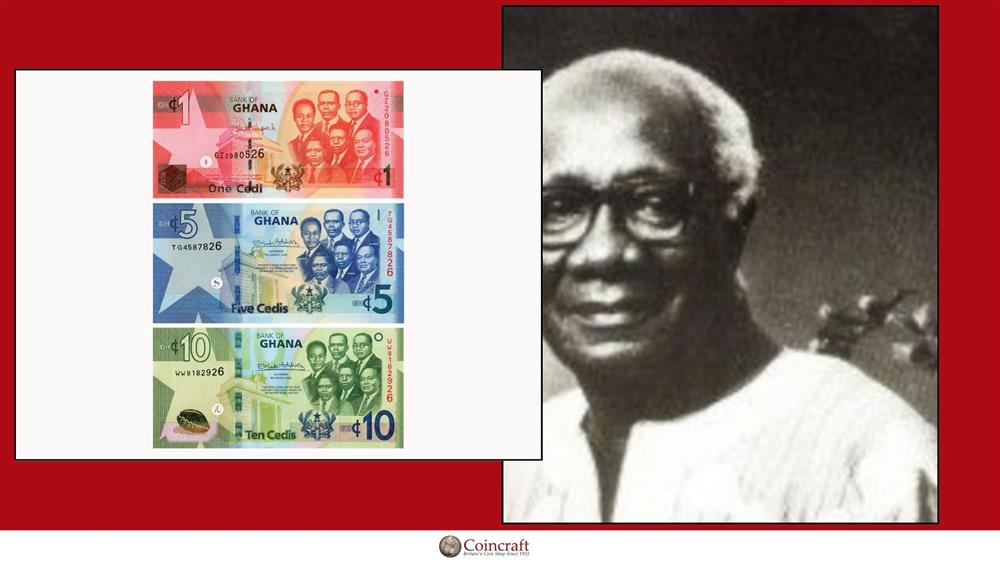
Picture Source of William Ofori Atta: Wikipedia
Introduction to William Ofori Atta
William Ofori Atta, affectionately known as "Paa Willie", stands out as a pivotal figure in Ghana's history. Born into a prominent family known for its substantial political influence, Ofori Atta's life was marked by a dedication to public service and leadership. His journey from an educated young man to a seasoned statesman is not only inspirational but also integral to understanding Ghana's socio-political evolution.
Ofori Atta's early life was shaped by his exposure to both traditional Ghanaian values and Western education. This unique blend enabled him to bridge cultural divides and advocate for policies that resonated with a wide array of stakeholders. His commitment to justice and equality laid the groundwork for his political ideals, which he pursued with unwavering conviction throughout his career.
As a founding member of the United Gold Coast Convention (UGCC), Ofori Atta was instrumental in the struggle for Ghanaian independence. His contributions were not limited to mere political rhetoric; he actively engaged in grassroots movements that sought to empower ordinary citizens. Through these efforts, he cemented his reputation as a visionary leader who was deeply committed to the advancement of his country.
Early Life and Education
Born on 10th October 1910, William Ofori Atta was the son of Nana Sir Ofori Atta I, the Okyenhene of Akyem Abuakwa. This royal lineage afforded him an upbringing steeped in both traditional leadership principles and modern educational opportunities. He attended the prestigious Achimota School, where he excelled academically and developed a keen interest in social justice issues.
Ofori Atta's educational journey did not end in Ghana. He pursued further studies in the United Kingdom, attending the University of Cambridge. Here, he studied law, equipping himself with the legal acumen necessary to advocate for the rights of his fellow Ghanaians. His time in Britain also exposed him to the global political landscape, enriching his understanding of governance and diplomacy.
The blend of his traditional upbringing and Western education became a hallmark of Ofori Atta's leadership style. It allowed him to approach Ghana's challenges with a unique perspective, balancing modernity with tradition. This duality enabled him to connect with diverse groups within the country, fostering unity and cooperation across different societal segments.
Political Career and Contributions
William Ofori Atta's political career was characterised by a steadfast commitment to democratic principles and social justice. He was a founding member of the United Gold Coast Convention (UGCC), the first political party in Ghana. Through this platform, he played a crucial role in advocating for independence from colonial rule, emphasising the importance of self-governance and national sovereignty.
His tenure in politics was marked by a series of strategic initiatives aimed at improving the socio-economic conditions of Ghanaians. Ofori Atta was known for his ability to articulate complex issues in a manner that resonated with the populace. This skill made him an effective communicator and a respected figure within both political circles and the general public.
Throughout his career, Ofori Atta remained a vocal advocate for education and health reforms. He believed in the transformative power of education and worked tirelessly to expand access to quality schooling for all Ghanaians. His vision for a well-educated populace was complemented by his efforts to improve healthcare facilities, ensuring that citizens could lead healthy and productive lives.
Key Achievements in Ghana's Independence Movement
William Ofori Atta's contributions to Ghana's independence movement were both profound and enduring. As a key figure within the UGCC, he was instrumental in galvanising support for the cause of self-determination. His leadership during this formative period helped lay the groundwork for the eventual attainment of independence in 1957.
One of his notable achievements was his involvement in the drafting of petitions and correspondence that articulated the aspirations of the Ghanaian people. These documents were pivotal in communicating the nation's desire for autonomy to both colonial authorities and the international community. Ofori Atta's eloquence and legal expertise ensured that these communications were both persuasive and impactful.
In addition to his written contributions, Ofori Atta was actively involved in organising rallies and meetings that mobilised public support for the independence movement. His ability to inspire and unite diverse groups under a common goal was instrumental in creating a cohesive front against colonial rule. This collective effort eventually culminated in the successful negotiation of Ghana's sovereignty.
Legacy and Impact on Ghanaian Society
The legacy of William Ofori Atta is deeply embedded in the fabric of Ghanaian society. His unwavering commitment to social justice, education, and health continues to influence contemporary policy decisions. The principles he championed have inspired subsequent generations of leaders to pursue equitable and inclusive governance.
Ofori Atta's emphasis on education as a catalyst for national development remains relevant today. His advocacy for widespread access to quality education has been realised through various government initiatives that seek to empower young Ghanaians. The impact of these policies is evident in the country's growing pool of skilled professionals who are contributing to national progress.
Moreover, Ofori Atta's leadership style, characterised by integrity and humility, serves as a model for current and future leaders. His ability to engage with constituents and address their concerns with sincerity has set a benchmark for political conduct in Ghana. This legacy of ethical leadership continues to guide the nation's democratic processes.
Recognition and Awards
Throughout his illustrious career, William Ofori Atta received numerous accolades in recognition of his contributions to Ghanaian society. These honours serve as a testament to his enduring influence and the high esteem in which he was held by both his peers and the public.
Among his most notable awards was the Order of the Star of Ghana, one of the nation's highest honours. This accolade was bestowed upon him in recognition of his pivotal role in the independence movement and his dedication to public service. It symbolises the nation's gratitude for his tireless efforts to improve the lives of Ghanaians.
In addition to national recognition, Ofori Atta's contributions were acknowledged internationally. His participation in global forums and conferences underscored his commitment to fostering international cooperation and understanding. These engagements not only elevated Ghana's standing on the world stage but also showcased Ofori Atta's vision for a more interconnected and harmonious global community.
William Ofori Atta's Vision for Ghana's Future
William Ofori Atta's vision for Ghana was rooted in the belief that the nation's potential could be fully realised through strategic investments in education, healthcare, and infrastructure. He envisaged a future where all Ghanaians would have access to the resources and opportunities necessary to lead fulfilling lives.
Central to his vision was the development of a robust educational system that would equip citizens with the skills needed to compete in a global economy. Ofori Atta was a strong proponent of curriculum reforms that emphasised critical thinking and innovation. He believed that such an approach would not only enhance individual capabilities but also drive national development.
In addition to education, Ofori Atta championed improvements in healthcare delivery. He envisaged a system where healthcare services were accessible and affordable for all, regardless of socio-economic status. By prioritising public health, he sought to create a healthier and more productive populace that could contribute meaningfully to the nation's growth.
Reflections on His Leadership Style
William Ofori Atta's leadership style was characterised by a deep sense of empathy and a commitment to ethical governance. He was known for his ability to listen attentively to the concerns of his constituents and respond with practical solutions. This approach not only earned him the trust of the public but also fostered a sense of community and cooperation.
Ofori Atta's humility and integrity were evident in his interactions with colleagues and adversaries alike. He consistently demonstrated respect for differing viewpoints and was always willing to engage in constructive dialogue. This openness to diverse perspectives enabled him to build consensus and drive meaningful change.
His leadership was also marked by a focus on long-term goals rather than short-term gains. Ofori Atta understood the importance of laying a solid foundation for future generations and was committed to making decisions that would benefit the nation in the years to come. This forward-thinking approach has left an indelible mark on Ghana's political landscape.
The Influence of William Ofori Atta on Modern Ghana
The influence of William Ofori Atta on modern Ghana is both profound and far-reaching. His contributions to the nation's independence and development continue to shape policy decisions and inspire current leaders. His legacy serves as a reminder of the power of visionary leadership and the impact it can have on a nation's trajectory.
Ofori Atta's emphasis on education and healthcare has been instrumental in shaping Ghana's social policies. His belief in the transformative power of education has been realised through initiatives aimed at improving access and quality. Similarly, his advocacy for healthcare reforms has led to the establishment of systems that prioritise the well-being of citizens.
Moreover, Ofori Atta's commitment to ethical governance has set a standard for political conduct in Ghana. His integrity and dedication to public service are qualities that continue to be valued by both leaders and citizens. As Ghana navigates the complexities of the 21st century, Ofori Atta's vision and principles remain a guiding force for progress and development.
Celebrating a Visionary Leader
William Ofori Atta's legacy as a visionary leader in Ghana's history is undeniable. His contributions to the nation's independence, development, and governance have left a lasting impact that continues to resonate today. As we reflect on his life and achievements, it becomes clear that his vision for a prosperous and equitable Ghana remains as relevant as ever.
In celebrating Ofori Atta's legacy, it is important to acknowledge the values that defined his leadership: integrity, empathy, and a commitment to social justice. These principles serve as a beacon for current and future leaders as they strive to build a better Ghana for all its citizens. By upholding these ideals, we can honour Ofori Atta's memory and continue his work towards a brighter future for the nation.
As we draw inspiration from William Ofori Atta's life, let us also consider how we can contribute to the realisation of his vision. Whether through community service, advocacy, or education, each of us has a role to play in shaping Ghana's future. Join us in celebrating the legacy of this extraordinary leader by taking action in your community today.