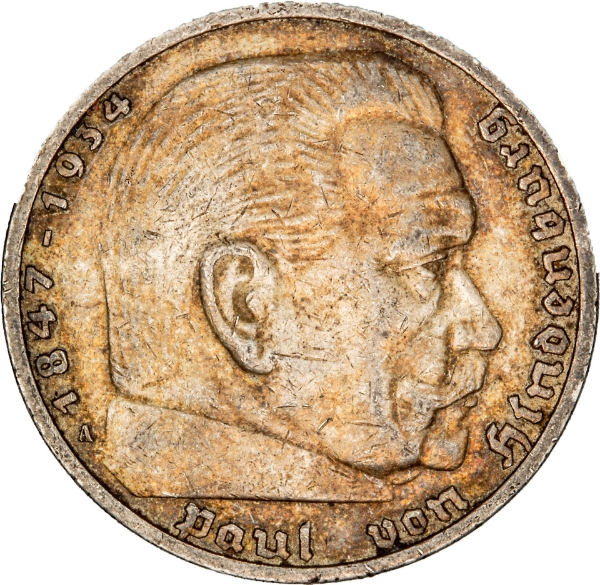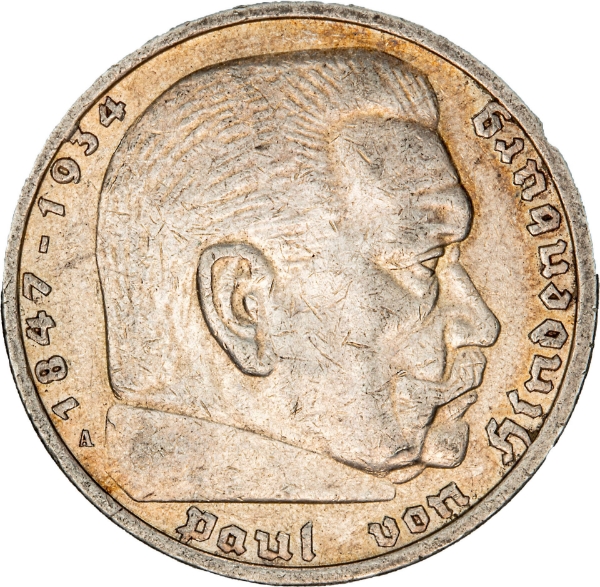
 - FGE9911 & FGE9916.jpg)
Picture Source of Paul von Hindenburg: Wikipedia
Introduction to Paul von Hindenburg
Paul von Hindenburg, a name etched into the annals of German history, remains a figure of intrigue and controversy. As one navigates through the complexities of Germany's past, Hindenburg's life offers a lens through which the nation's turbulent journey can be better understood. His roles varied—from a decorated military officer to a pivotal political leader—each phase contributing to the shaping of modern Germany.
Born into a Prussian aristocratic family in 1847, Hindenburg's early years were marked by a deep-seated sense of duty and nationalism. These formative influences paved the way for his illustrious military career and his eventual entry into the political arena. As one delves deeper into his life, it becomes evident how his personal ethos and decisions left an indelible impact on Germany's trajectory.
Understanding Hindenburg is crucial for anyone seeking to grasp the dynamics of early 20th-century Europe. His actions, decisions, and the legacy he left behind continue to be subjects of debate, offering lessons that resonate even today.
Early Life and Military Career
Paul Ludwig Hans Anton von Beneckendorff und von Hindenburg was born on 2 October 1847, in Posen, Prussia, now Poznań, Poland. As a child of the Prussian aristocracy, he was exposed to the military traditions that defined his family. This environment cultivated a sense of discipline and honour that would underpin his later life. His education at Wahlstatt and Berlin Cadet Schools set the stage for a lifelong military career.
Hindenburg's military journey began in earnest when he joined the Prussian army in 1866, participating in the Austro-Prussian War. His performance during this conflict, and later in the Franco-Prussian War of 1870-1871, earned him a reputation as a competent and dependable officer. The experience gained during these formative years would prove invaluable in the years to come, particularly during World War I.
By the time he retired in 1911, Hindenburg had risen through the ranks to become a General of Infantry. However, his retirement was short-lived, as the outbreak of World War I would soon propel him back into the military spotlight, setting the stage for his enduring legacy as a wartime leader.
Hindenburg's Role in World War I
When World War I erupted in 1914, Hindenburg was recalled to active duty, appointed to command the German Eighth Army on the Eastern Front. His leadership, alongside Erich Ludendorff, in the Battle of Tannenberg became a decisive moment in his military career. The victory not only thwarted Russian advances but also elevated Hindenburg to national hero status.
His strategic acumen was further highlighted during subsequent battles in the Masurian Lakes region. These successes solidified his reputation, leading to his appointment as Chief of the General Staff in 1916. In this role, Hindenburg, with Ludendorff as his deputy, effectively assumed control of the German war effort, implementing policies that shaped the course of the war.
Despite his military prowess, Hindenburg's tenure was not without controversy. His support for unrestricted submarine warfare and the infamous Hindenburg Programme, which aimed at total war mobilisation, had profound implications. These decisions contributed to the eventual collapse of Germany's war effort and set the stage for his political career in the post-war era.
The Weimar Republic: Hindenburg's Political Influence
With the end of World War I and the abdication of Kaiser Wilhelm II, Germany transitioned into the Weimar Republic, a period marked by political instability and economic turmoil. In 1925, Hindenburg was elected as President of the Republic, a position he initially approached with reluctance. However, his stature as a war hero and his perceived impartiality made him an appealing candidate in a divided nation.
Hindenburg's presidency was characterised by efforts to stabilise Germany and restore its international standing. He played a crucial role in the negotiation of the Dawes Plan, which restructured Germany's reparations payments, and the Locarno Treaties, which aimed to normalise relations with neighbouring countries. These efforts were pivotal in fostering a period of relative stability during the late 1920s.
However, the onset of the Great Depression in 1929 posed significant challenges to Hindenburg's leadership. The economic crisis exacerbated political divisions, leading to a rise in extremist movements. Hindenburg's subsequent decisions, particularly his use of emergency powers and appointment of chancellors without parliamentary majorities, would have lasting implications for the Republic and his legacy.
Hindenburg and Adolf Hitler: The Controversial Partnership
As the political landscape of Germany grew increasingly volatile, Hindenburg faced mounting pressure from various factions. The rise of Adolf Hitler and the National Socialist German Workers' Party (NSDAP) presented a significant challenge. Initially sceptical of Hitler, Hindenburg resisted appointing him as Chancellor, wary of the implications for Germany's democratic institutions.
However, the political deadlock and persistent lobbying from influential advisors and industrialists eventually led Hindenburg to appoint Hitler as Chancellor on 30 January 1933. This decision was a turning point in German history, marking the beginning of the Nazi regime. Hindenburg's belief that he could control Hitler's radicalism proved misguided, as Hitler swiftly consolidated power.
Their partnership, though short-lived, was marked by significant events, including the Reichstag Fire and the subsequent Enabling Act, which granted Hitler dictatorial powers. Hindenburg's death in 1934 removed the last significant check on Hitler's authority, paving the way for the complete Nazification of Germany. This period remains one of the most scrutinised aspects of Hindenburg's legacy.
Hindenburg's Presidency: Achievements and Challenges
Despite the controversies surrounding his tenure, Hindenburg's presidency was not devoid of achievements. His efforts to stabilise Germany's economy and international relations in the late 1920s were commendable. The signing of the Young Plan in 1929, which further reduced reparations, exemplified his commitment to easing the burdens of the post-war settlement.
Nevertheless, Hindenburg's presidency was fraught with challenges. The Great Depression's impact on Germany was severe, leading to widespread unemployment and social unrest. Hindenburg's reliance on Article 48 of the Weimar Constitution to bypass parliamentary gridlock was a double-edged sword, providing short-term solutions but undermining democratic processes.
The appointment of Hitler as Chancellor overshadowed his presidency's achievements. Critics argue that Hindenburg's inability to recognise the threat posed by the Nazis and his underestimation of Hitler's ambitions were critical failures. These decisions, whether due to personal misjudgement or external pressures, have sparked extensive debate among historians and continue to shape assessments of his legacy.
The Legacy of Paul von Hindenburg
Paul von Hindenburg's legacy is a complex tapestry of military triumphs and political missteps. His contributions during World War I, particularly his leadership in the Battle of Tannenberg, cemented his status as one of Germany's most revered military figures. These accomplishments, however, stand in stark contrast to the controversies of his political career.
Hindenburg's role in the collapse of the Weimar Republic and the rise of the Nazi regime remains a focal point of historical analysis. His decision to appoint Hitler is often cited as a critical turning point in 20th-century history, with far-reaching consequences. This aspect of his legacy has overshadowed his earlier efforts to stabilise Germany and restore its international standing.
Despite these controversies, Hindenburg's impact on Germany is undeniable. His life and career offer valuable insights into the challenges of leadership during times of upheaval. His legacy serves as a reminder of the complexities of history and the enduring lessons that can be drawn from it.
Hindenburg in Popular Culture
Paul von Hindenburg's influence extends beyond historical texts into the realm of popular culture. His life and legacy have been depicted in various forms, from literature and films to documentaries and artworks. These portrayals reflect the enduring fascination with his character and the pivotal role he played in Germany's history.
In literature, Hindenburg has often been portrayed as a symbol of the old German aristocracy, embodying both its strengths and its failings. Films and documentaries frequently explore his military achievements and political decisions, offering audiences a nuanced view of his character. These portrayals, while sometimes romanticised, contribute to the ongoing discourse surrounding his legacy.
Artworks and memorials dedicated to Hindenburg further illustrate his lasting impact. Statues and monuments erected in his honour, though controversial in some contexts, serve as reminders of the indelible mark he left on German history. These cultural representations ensure that Hindenburg's story continues to resonate with new generations, inviting reflection and critical examination.
Understanding Hindenburg's Impact on History
Paul von Hindenburg's life stands as a testament to the intricacies of leadership amidst the tumultuous backdrop of early 20th-century Europe. His journey from a Prussian aristocrat to a revered military leader and, finally, a controversial political figure encapsulates the challenges and contradictions of his era. Through his actions and decisions, he shaped the course of German history in profound ways.
As a military strategist, Hindenburg's legacy is marked by his victories and the strategic foresight he exhibited during World War I. However, his political career highlights the complexities and pitfalls of leadership during times of national crisis. His role in the rise of the Nazi regime remains a deeply scrutinised aspect of his legacy, offering lessons on the dangers of underestimating extremist forces.
For those seeking to understand Hindenburg's impact, it is essential to view his life within the broader context of his time. His story, with its triumphs and controversies, continues to offer valuable insights for historians and the public alike. As we reflect on his legacy, let us consider the enduring lessons it presents and strive to apply them to the challenges of the present day.
Frequently Asked Questions
Who was Paul von Hindenburg?
Paul von Hindenburg (1847-1934) was a German field marshal who became a national hero during World War I and later served as President of Germany from 1925 until his death in 1934.
What was Hindenburg’s significance in World War I?
Recalled from retirement, Hindenburg’s victory at the Battle of Tannenberg made him a national hero. As Chief of the General Staff from 1916, he effectively controlled Germany’s war effort.
Why is Hindenburg controversial?
Despite his military achievements, Hindenburg’s most controversial decision was appointing Adolf Hitler as Chancellor in 1933, which enabled the Nazi rise to power.
How did Hindenburg impact the Weimar Republic?
Initially stabilizing Germany through economic reforms, Hindenburg later undermined democratic institutions by using emergency powers during the Great Depression and ultimately appointing Hitler.
Key Takeaways
Military Hero: Hindenburg’s greatest acclaim came from his Eastern Front victories in WWI, particularly at Tannenberg.
Reluctant Politician: Despite initial hesitation, he became President during the Weimar Republic, attempting to stabilize post-war Germany.
Economic Reformer: He supported important agreements like the Dawes and Young Plans to restructure Germany’s war reparations.
Fatal Misjudgment: His appointment of Hitler as Chancellor in 1933 reflected a catastrophic underestimation of the Nazi threat.
Complex Legacy: Hindenburg embodies Germany’s transition from empire to republic to dictatorship, serving as a historical warning about the fragility of democracy during times of crisis.